1983 · Behind the Songs
Inspired by a solo motorcycle trip to Jackson Hole, Wyoming, the 1983 single became one critic’s pick for Seger’s finest — and the closing music of films, races, and a comeback tour.
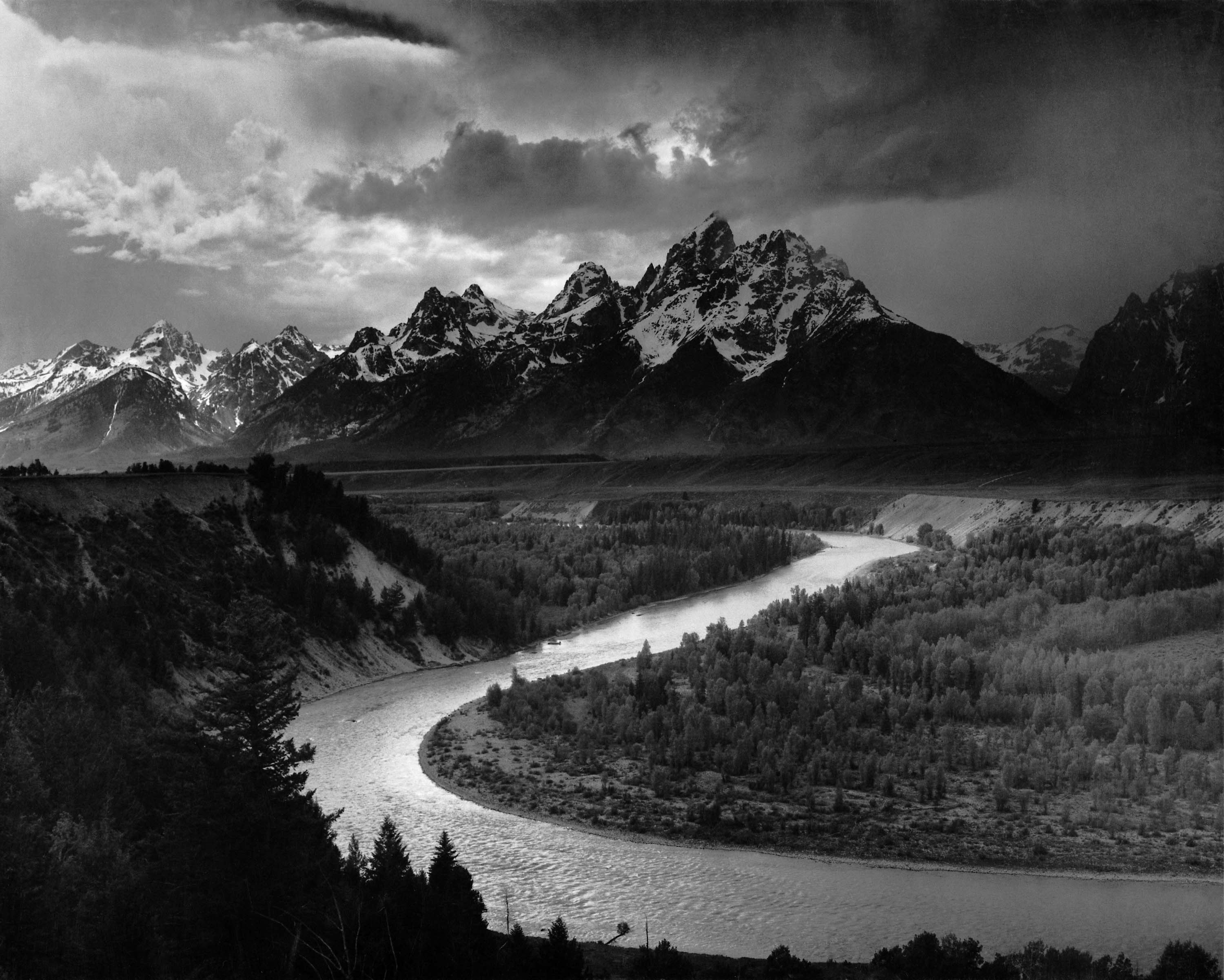
Some songs are written at a desk. “Roll Me Away” was written on a motorcycle. In the early 1980s, Bob Seger — already one of America’s biggest rock stars, already weary from years of touring — pointed his bike west and rode alone toward Jackson Hole, Wyoming. Somewhere between the frozen mornings of northern Minnesota and the furnace heat of South Dakota, with nothing but silence and landscape for company, the song that would become one of his signature statements began to take shape.
Released as a single on May 10, 1983, from the album The Distance, “Roll Me Away” runs four minutes and thirty-nine seconds and carries the whole weight of the American road-movie tradition in its grooves. It reached number 27 on the Billboard Hot 100 and number 13 on the Mainstream Rock Tracks chart — respectable numbers, but the song’s real chart has always been measured in something else: the films it has closed, the races it has soundtracked, and the tours it has opened. The critic Dave Marsh, writing in Rolling Stone, called it “anthemic” and judged it Seger’s best single. Decades later, it’s hard to argue.
A solo ride to Wyoming
Seger himself told the story plainly. Speaking to the Detroit Free Press in 1994, he described a trip he had wanted to take for a long time: riding alone through the American interior, sleeping wherever the day ended. “It was fascinating being out,” he said. “The first night it was 42 degrees in northern Minnesota; the second it was 106 in South Dakota and all I had on was my shorts, and my feet were up on the handlebars to keep them from boiling on the engine. It was just silence and feeling nature.”
That contrast — freezing cold one night, blistering heat the next, and in between long stretches of nothing but the road — is the emotional engine of the song. “Roll Me Away” isn’t really about a motorcycle trip; it’s about what a motorcycle trip is for. Marsh heard it as a song about leaving a broken home to find a better life. Richard Cromelin, reviewing for the Los Angeles Times, read the continental divide in the lyrics as a metaphor for facing life’s right-and-wrong questions head-on — and described the song as an attempt to shake off a spiritual malaise. Cash Box, in its contemporary review, called it “a most powerful, Springsteenish piano-based hymn.” Everyone heard the same thing: a man using distance to outrun despair.
Building the anthem
The recording, produced by Jimmy Iovine for Capitol, is one of the most carefully constructed of Seger’s career. Seger sings lead, backed by a studio band of first-call players: Chris Campbell on bass, Craig Frost on organ, Michael Boddicker on synthesizer, Bobbye Hall on percussion, Russ Kunkel on drums, and Waddy Wachtel on guitar. But the instrument that defines the track is the piano of Roy Bittan — on loan, in effect, from Bruce Springsteen’s E Street Band — whose playing Marsh memorably described as “elegiac.”
That word choice matters. Bittan doesn’t pound; he tolls. His piano gives the song its hymn-like quality — the reason Cash Box reached for the word “hymn” — and turns what could have been a standard road-rock rave-up into something closer to a secular prayer. Around it, Iovine’s production keeps everything spacious: this is a record about wide-open country, and it sounds like it. The B-side of the single, “Boomtown Blues,” offered a rawer counterpoint, but the A-side was the statement.
What the critics heard
The reviews of The Distance treated “Roll Me Away” as the album’s emotional center. Marsh’s “anthemic” verdict — and his judgment that it was Seger’s finest single — set the tone, but Cromelin’s reading went deeper, finding in the song a man confronting moral questions at the continental divide, trying to shake off the spiritual malaise of middle age and middle success. Coming from a rock star who had already achieved everything the industry could offer, the song’s restlessness felt earned rather than performed.
That authenticity is why the song outlived its chart run. Number 27 on the Hot 100 is a footnote; “anthemic” is a career. “Roll Me Away” became the rare single that critics, fans, and filmmakers all agreed on — a song about starting over that kept getting chosen to mark new beginnings.
Charts and the long afterlife
The afterlife of “Roll Me Away” is one of the richest of any Seger song. It was the closing music for NASCAR on Fox broadcasts — including the 2003 Dodge/Save Mart 350 and the 2006 Pepsi 400 — where its highway imagery fit like a glove. It appeared on the soundtrack of the blockbuster Armageddon. It plays in full over the closing scenes and end credits of Mask (1985), the Cher and Eric Stoltz drama, giving the film’s hard-won hope its musical voice. And it was the closing song of Reckless (1984), the Aidan Quinn and Daryl Hannah romance built around — fittingly — motorcycles.
Most tellingly, when Seger returned to the road for his Face the Promise tour in 2006 and 2007 — his first tour in a decade — “Roll Me Away” was the show’s opening number. After ten years away, the first thing he wanted to say to an audience was this song: a declaration that the road was still there, and so was he. A song about leaving home had become the song about coming back.

What to listen for
Start with Roy Bittan’s piano — the “elegiac” tolling that Marsh singled out — and notice how it sets the song’s emotional temperature before Seger sings a word. Then listen to the way the record opens up in the choruses: Iovine’s production gives every instrument room to breathe, like the landscape itself is in the mix. This is highway music recorded with the windows down.
Finally, watch the end credits of Mask with the sound up, or cue the song as the opener of an imaginary comeback show — which is exactly what Seger did in 2006. “Roll Me Away” is a song about needing to leave in order to find out who you are. Four decades on, it still sounds like the engine turning over on a cold morning: uncertain, necessary, and pointed west.