Rock · Blues · Hard Rock
The band that turned American blues into the world’s loudest rock and roll — and never stopped.

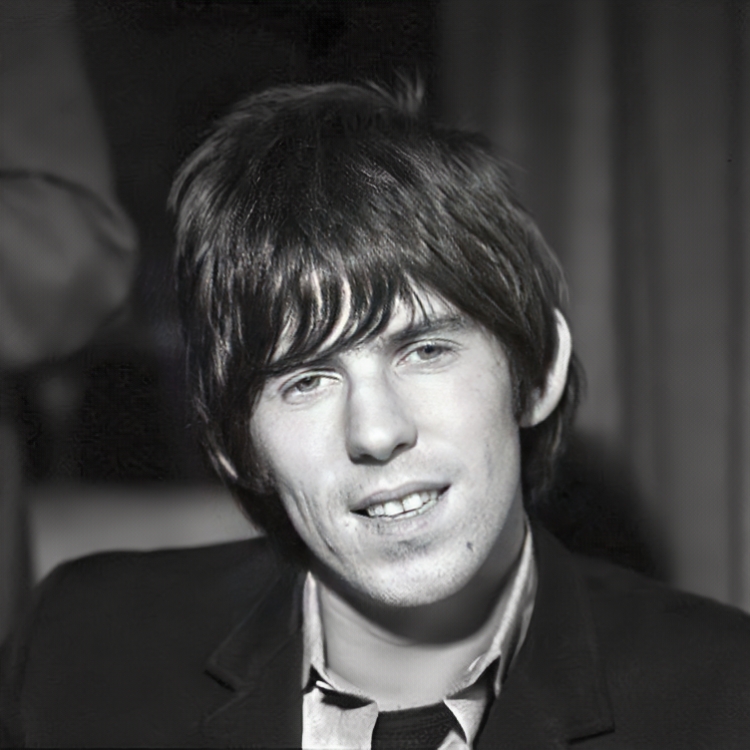
The biography
The Rolling Stones formed in London in 1962, when childhood friends Mick Jagger and Keith Richards joined forces with guitarist Brian Jones. Drummer Charlie Watts and bassist Bill Wyman completed the classic lineup, and the band took its name from a Muddy Waters song — a clue to everything that followed. Their 1964 debut album announced a group steeped in Chicago blues and rhythm and blues, rawer and more dangerous than anything else on the British charts.
The cover versions soon gave way to originals. “(I Can’t Get No) Satisfaction” (1965) delivered the Stones’ first American No. 1 and one of rock’s immortal riffs, and the run of albums from Beggars Banquet (1968) through Let It Bleed (1969), Sticky Fingers (1971) and Exile on Main St. (1972) stands among the greatest four-album streaks in rock history. Along the way the band lost Brian Jones, who died in July 1969 shortly after leaving the group, and gained Mick Taylor, whose fluid lead guitar shaped Sticky Fingers and Exile.
The 1970s tested them — tax exile in France, shifting fashions, the arrival of punk — and the Stones answered with Some Girls (1978), a lean record flirting with disco that returned them to the top of the American album chart, and Tattoo You (1981), assembled from outtakes and powered by “Start Me Up.” Behind the scenes, Jagger and Richards, the Glimmer Twins, ran their own label, Rolling Stones Records, from 1971, and the tongue-and-lips logo designed by John Pasche in 1970 became the most famous emblem in rock.
Why they matter to 1970–1989 music: the Stones invented the modern stadium rock band, then survived every movement that was supposed to finish them — psychedelia, prog, punk, disco, new wave. They proved that a rock band could grow older without going soft, that American roots music could be renewed endlessly, and that the space between Jagger’s strut and Richards’ riff was big enough to hold the whole world. Inducted into the Rock and Roll Hall of Fame in 1989, they closed the decade exactly as they had opened it: the self-proclaimed greatest rock and roll band in the world, still working.