1973 · Behind the Songs
A real blizzard in the Rockies, a borrowed singer and the riff that became REO’s weather report.
Every bar band has a weather story. REO Speedwagon’s became a career. In 1973, the Champaign, Illinois quintet released its third studio album, Ridin’ the Storm Out — and its title track, written by guitarist Gary Richrath, carried inside it a genuine Rocky Mountain blizzard. The song began life on the previous year’s tour, when the band found itself caught in a vicious storm in the mountains above Boulder, Colorado. The details have blurred with retelling — some say Kevin Cronin and Richrath had set out to play a prank on the band’s manager, pretending to be lost in the storm, only to become genuinely lost — but the terror was real, and so was the song it produced.
Cronin told the story this way: the band had climbed “this crazy cliff” in Rocky Mountain National Park, just north of Boulder, and mountain weather did what mountain weather does — changed on a dime. Dark clouds came boiling over the ridge. Getting down, Cronin said, “is where it gets interesting.” They were caught in a full blizzard, genuinely afraid, and they made it back to Boulder in one piece more by luck than planning. Years later, Cronin traced the song’s siren-like opening — that air-raid wail of a keyboard climbing in octaves — to those hours of danger. The sound of fear, translated into rock and roll.
The recording carried its own drama. Cronin had walked out during the album sessions, and the lead vocal was sung by his replacement, Mike Murphy — though to this day some fans swear they hear Cronin on it. The track’s famous introduction, Neal Doughty’s keyboards spiraling upward in octaves before the drums, bass and guitar crash in, was the idea of the band’s producer, who wanted it to sound like wind screaming through cabin windows. Record World, reviewing the single, praised its “good mix of hard rock guitar sounds and harmony vocals.” Released as a single in February 1974, it did modest business. The storm, it seemed, had been weathered but not yet ridden.
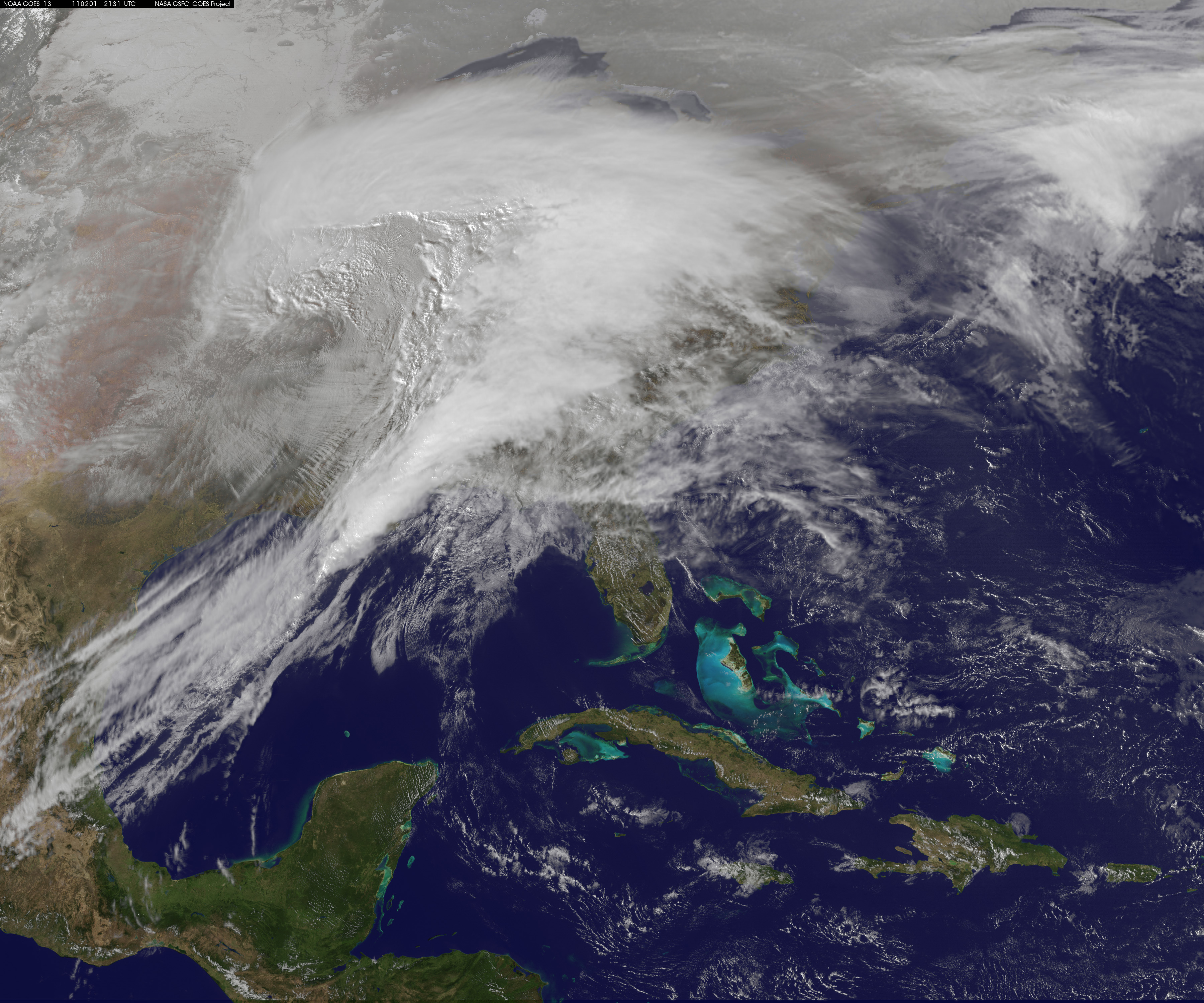
Then the song got a second life — the kind of second life that only happens to road bands. By 1977 Cronin was back in the fold, and REO released the double live album You Get What You Play For, recorded on the endless tour that was slowly turning them into stars. The live “Ridin’ the Storm Out,” with Cronin finally singing the song born of his own blizzard, was released as a single — and this time it connected, reaching number 94 on the Billboard Top 100. It remains the most successful chart version of the song, and the one most fans know: faster, meaner and road-tested, the storm finally ridden at full gallop.
The album itself was a slow-burn success story. Ridin’ the Storm Out didn’t even crack the Billboard 200 until 1981, when it peaked at number 171 — eight years after release — and it wasn’t certified platinum until 1989. That tells you everything about how REO Speedwagon made it: not in a flash but by attrition, playing every bar, club and arena in America until the country gave in. The title track was their weather report from the front lines of that campaign — a song about being battered by forces bigger than you and coming through the other side, which was also, not coincidentally, the story of the band.
There is a wrinkle worth noting: for all that the blizzard was Cronin’s story, the song was Richrath’s. The guitarist wrote it, and the division of labor says a lot about how REO worked — Cronin the confessional singer, Richrath the riff merchant, each feeding the other. Richrath had a gift for turning a lived moment into a guitar figure you could shout along to, and “Ridin’ the Storm Out” is the purest example: fear becomes a riff, a riff becomes a chorus, a chorus becomes a career. Cronin may have climbed the cliff, but Richrath built the monument.
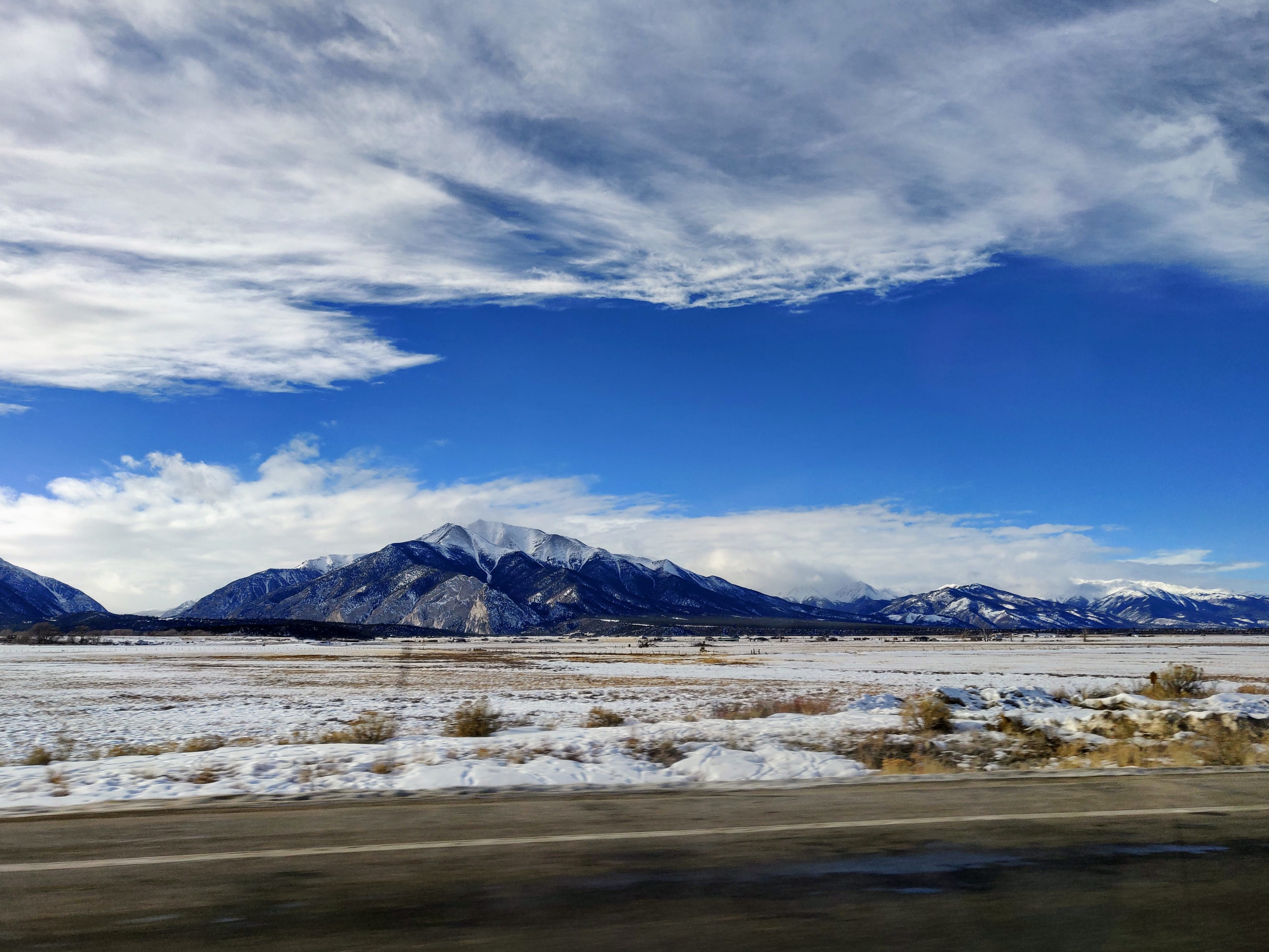
The song never left the setlist. Through the Hi Infidelity superstardom, through the eighties arena years, through every reunion and farewell and un-farewell since, “Ridin’ the Storm Out” has opened shows and closed them, the band’s official weather vane. It is the rare song that works as both autobiography and instruction manual: this is what happened to us, and this is how you survive it — you ride it out. Audiences who never saw a Rocky Mountain blizzard sing it like survivors anyway. That is the alchemy of a great road song. The specifics belong to the band; the feeling belongs to everyone.
One detail anchors the legend: the bar. The band had played Tulagi, a Boulder club now long closed, and the storm found them in the mountains above the town afterward. It is the kind of detail that makes a story feel true — not the blizzard, which could be any blizzard, but the specific bar, the specific cliff, the specific terror of young men realizing the mountain does not care about their gig. “Ridin’ the Storm Out” has been played ten thousand times since, in rooms from Tulagi to Tokyo, and every performance is a small reenactment: the wind intro, the plunge, the ride. The mountain is always there, just offstage.
In the end, the song outgrew its weather. “Ridin’ the Storm Out” is no longer really about a blizzard in 1972; it is about every storm since — the lineup changes, the lean years, the long climb from Champaign bars to the biggest rooms in America. That is why it endures while a hundred other boogie-rock anthems have faded: it has a true story inside it, and true stories don’t age. Somewhere north of Boulder, the wind still moves through the pines the way Doughty’s keyboards moved through that intro. The band just had the sense to write it down.