1984 · Behind the Songs
A dance record becomes more inviting when the singer finds his own room inside it.
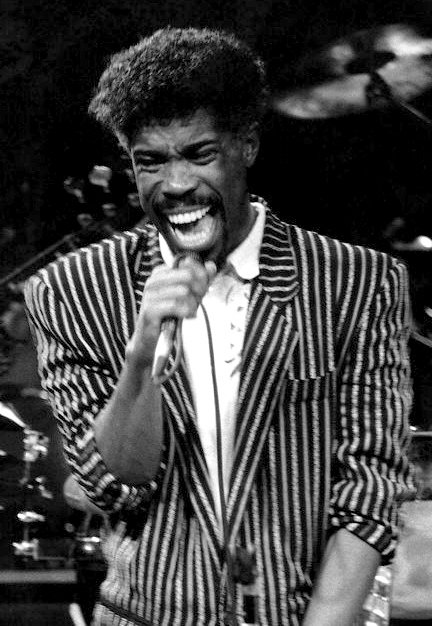
The recording in context
Caribbean Queen (No More Love on the Run) became an international hit for Billy Ocean in 1984. The Official Charts Company records its US number-one success and the Grammy recognition that followed.
Listen closely
The first useful thing to follow in Caribbean Queen is the steadiness of its motion. The groove gives the record a clear destination before the story has fully opened. Yet the singing does not feel trapped inside a mechanical pattern. Ocean’s warmth makes a precise arrangement feel hospitable.
Listen to the way his lines approach the beat. Some moments lock firmly into the rhythm; others seem to glide across it. That variation matters because a repeated pattern can otherwise flatten a performance. The singer supplies small changes in pressure and shape while the underlying movement remains dependable.
The chorus is built for recognition, but the passages around it deserve attention. Hear how the vocal changes the scale of the scene as the refrain approaches. A record can prepare a hook without making every preceding moment sound like mere preparation. Here, the voice keeps the journey interesting as well as the arrival.
A second listen can be almost entirely rhythmic. Follow the bass and percussion, then notice when you become aware of a vocal accent as another part of the groove. The singer is carrying words, but he is also contributing a pattern of attacks, pauses and held sounds.
That combination helps explain why the recording remains an easy doorway into Ocean’s work. It offers the immediate pleasures of a strong dance arrangement without making the voice interchangeable. Follow it with Suddenly and hear how the same warmth survives when the musical frame asks for patience instead of movement.