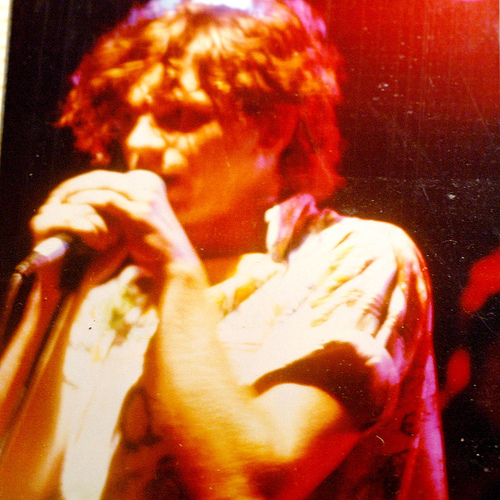
Suicide Blonde, released in 1990 as the lead single from the album X, was INXS first major single after Kick, and it showed that the band could still reach the top of the charts in a new decade. It reached number nine on the Billboard Hot 100 in the United States, and it reached number one in Australia and Canada. The song was brighter, funkier and more rhythmic than many Kick tracks, with a harmonica part that gave it a distinctive sound. It was the perfect introduction to X, an album that aimed to follow Kick without simply repeating it.
X: The Follow-Up to Kick
X, released in 1990, was the follow-up to Kick, which had been one of the biggest albums of the late 1980s. Following Kick was a difficult task, because that album had produced so many hits and had set such a high standard. X approached the task by keeping the INXS sound, rhythmic, melodic and confident, while adding new elements. Suicide Blonde was the first single, and its success showed that the band had not lost its touch. It gave X a strong launch, and it helped the album sell well in several countries, even though it did not match Kick overall sales.
Written by Michael Hutchence and Andrew Farriss
Suicide Blonde was written by Michael Hutchence and Andrew Farriss. The song was built around a funk-influenced rhythm, with a harmonica part played by Charlie Musselwhite, a blues musician whose contribution gave the track a distinctive flavour. That harmonica, combined with a driving beat and Hutchence vocal, made Suicide Blonde stand out on radio in 1990. The writing was direct and confident, with a chorus that was easy to remember. It was a song designed to be heard, danced to and sung along with, which was exactly what a lead single needed to be.
What the Song Is About
At its centre, Suicide Blonde is about attraction to someone who is dangerous, exciting and difficult to resist. The title phrase is provocative, and it gave the song a sense of edge. The lyric does not present the subject as a simple romantic ideal. It presents her as a figure of desire and risk, which matched Hutchence performance style. He sang it with a mixture of charm and intensity, which made the song feel both playful and serious. That combination helped it appeal to audiences who were looking for something more interesting than a standard love song.
The Sound: Funk, Rock and Harmonica
Musically, Suicide Blonde is driven by a funk rhythm, guitar and harmonica. The drums and bass create a groove, while the harmonica adds a blues influence that was new for INXS as a lead single. Hutchence vocal is at the centre, moving with the beat and lifting the chorus. The production, by Chris Thomas, kept the sound clean and punchy, which helped the song on radio in 1990. It sounded modern, but it also sounded like a band, which was important for INXS. Their live reputation depended on songs that worked in concert, and Suicide Blonde certainly did.
Chart Success in 1990
Suicide Blonde reached number nine on the Billboard Hot 100 in the United States, and it reached number one in Australia, the band home country, and in Canada. That success was significant, because it showed that INXS could still achieve top ten success in America after Kick, when many bands struggle to follow a huge album. The song also performed well in the United Kingdom, reaching the top 20. Its international success helped X become a major album, and it helped INXS maintain their status as one of the leading bands of the period.
Video and Live Impact
The music video for Suicide Blonde presented the band performing with energy and style, with Hutchence at the centre. It was a video that suited the song, because it showed a band that was confident and enjoying itself. On tour, Suicide Blonde became a highlight, with its rhythm encouraging audiences to move and its chorus encouraging singing along. It was a song that worked well in large venues, and it helped X tour succeed. For many fans, it became one of the defining INXS songs of the early 1990s.
Why It Still Matters
Today, Suicide Blonde is still played on 1990s and classic rock radio, and it appears on INXS compilations. Its harmonica part is immediately recognisable, and its rhythm still feels fresh. The song marks a transition in the band story, from the 1980s success of Kick to the 1990s, when musical styles were changing. INXS did not simply repeat Kick. They tried something slightly different, with a funkier, blues-influenced sound, and Suicide Blonde showed that they could do so successfully.
Where It Fits in the Band Story
Within the story of INXS, Suicide Blonde, from X in 1990, is the bridge between Kick and the new decade. It proved that the band could still produce a top ten single in America, and it gave X a strong start. For new listeners, it is a good introduction to the later INXS sound, which was funkier and more varied than the Kick sound. For long-time fans, it remains a reminder of a time when INXS were still at the top of their game, and when a new single could still excite audiences around the world.
A Note on Listening Today
Listening to Suicide Blonde today, its harmonica still feels distinctive, and its groove still feels confident. It is a song that captures INXS at a moment of transition, from the huge success of Kick to a new decade, and it remains a strong example of how a band can follow a classic album without simply repeating it.
That balance between following a classic album and trying something new is why Suicide Blonde remains a strong opening track for X, and a memorable single in its own right.
It remains, in short, a confident and memorable start to the X era for INXS.