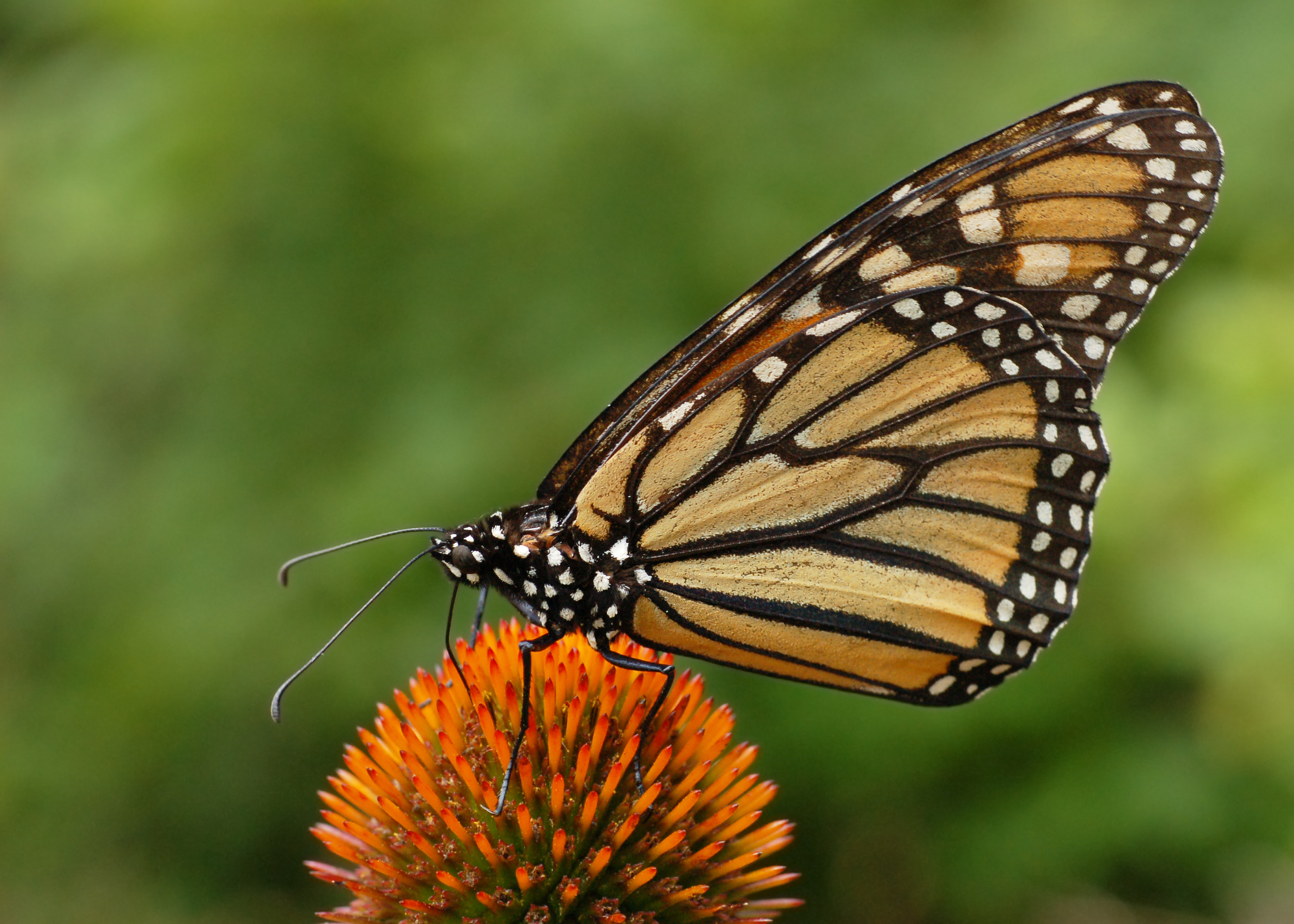
Photo by Derek Ramsey, Wikimedia Commons, GFDL 1.2.
If Cactus Flower introduced Goldie Hawn to moviegoers, Butterflies Are Free showed them what she could do when a story asked for tenderness as well as comedy. Based on Leonard Gershe’s Broadway play, the film is a small, intimate piece, almost a chamber drama, set largely in a modest San Francisco apartment. It has only a handful of characters, and it depends almost entirely on the chemistry between its leads. Hawn, as Jill Tanner, rises to that challenge beautifully, giving a performance that is funny, vulnerable, and quietly radical for its time.
The story follows Don Baker, played by Edward Albert, a young man who was born blind and has just moved into his own apartment, determined to live independently despite the fierce protectiveness of his mother, Mrs. Baker, played by Eileen Heckart. Into the apartment next door moves Jill, a free-spirited young actress who has run away from a complicated past and who lives very much in the moment. Jill hears Don arguing with his mother on the telephone, invites herself over, and refuses to leave his life alone. What begins as neighbourly curiosity becomes friendship, then romance, then a genuine test of what independence really means for both of them.
Hawn’s Jill is the engine of the film. She is impulsive, talkative, funny, and sometimes exasperating, but she is never a mere manic pixie figure. Gershe’s writing, adapted from his own play, gives Jill a history of disappointment and a fear of being trapped, and Hawn plays those undercurrents with sensitivity. When Jill laughs, it often covers uncertainty. When she pushes Don to be braver, she is also pushing herself. Her famous free spirit is not a pose; it is a survival strategy, a way of staying open to life after being hurt. Hawn understands that distinction, and it gives the performance its depth.
Director Milton Katselas, who had directed the original Broadway production, knew the material intimately, and he keeps the film close to its theatrical roots without letting it feel stagebound. The camera lingers on faces, on small gestures, on the way Jill moves through Don’s apartment as if she owns it, and then hesitates when she realises how much she cares. Katselas also drew from Hawn a more disciplined performance than her television work had suggested. Gone is the constant giggle of Laugh-In. In its place is comic timing that serves character: a pause before a joke, a sudden seriousness, a smile that arrives a beat later than expected.
The central relationship works because Hawn and Albert treat each other as equals. Don is not a figure of pity, and Jill is not his saviour. He is intelligent, witty, ambitious, and determined to be treated as an adult. She is drawn to that determination because it mirrors her own desire to live freely. Their scenes together, cooking, talking about music, arguing about the future, have a natural, unforced warmth. When Mrs. Baker arrives, played with formidable precision by Heckart, who won the Academy Award for Best Supporting Actress, the film becomes a three-way struggle over love, protection, and letting go. Heckart’s mother is not a villain; she loves her son fiercely, but she cannot see that love can also be a cage. Jill sees it, and Hawn makes her challenge to Mrs. Baker feel both brave and compassionate.
Butterflies Are Free takes its title from a quotation in Charles Dickens’s Bleak House, about the freedom granted to butterflies and denied to human beings. The film asks whether people can truly be free if they are afraid to need each other, or afraid to let each other go. Jill and Don must answer that question separately and together. For Jill, freedom means not running away when things get difficult. For Don, it means insisting on his own choices, even when those choices hurt the people who love him. Hawn’s performance holds both sides of that question in balance, which is why the ending feels hopeful rather than simply happy.
At the box office, the film was a success, and it earned Hawn a Golden Globe nomination for Best Actress in a Musical or Comedy. More importantly, it confirmed her range. After Cactus Flower, she could have been typecast as the funny girlfriend. After Butterflies Are Free, it was clear she could carry a romantic drama, hold the screen in long dialogue scenes, and make a character’s inner life visible without exaggeration. That versatility would serve her throughout the decade, from the drama of The Sugarland Express to the satire of Shampoo.
For modern viewers, Butterflies Are Free remains a gentle, humane film, and a reminder of how much Goldie Hawn brought to even the smallest stories. She does not play Jill as an ideal. She plays her as a young woman learning, in real time, how to be free and how to love at the same time. That lesson, delivered with humour and grace, is why the film still resonates more than fifty years later.
What gives Butterflies Are Free its lasting power is its refusal to offer easy answers about independence. Don’s mother loves him, Jill loves him, and both kinds of love can feel like pressure when a young person is trying to stand alone. Hawn understood that tension instinctively. She plays Jill as someone who wants to help without possessing, to stay without being trapped, and to be honest about her own fears while encouraging Don to face his. That balance is difficult to act, because it lives in small choices: when to speak, when to listen, when to leave a room, and when to come back. The film’s San Francisco setting, with its light, its music, and its sense of possibility, mirrors Jill’s spirit, but the story never pretends that freedom is simple. It requires courage, patience, and the willingness to be disappointed. For viewers today, Jill remains a refreshing heroine precisely because she is imperfect. She arrives uninvited, she says the wrong thing, she runs when she is scared, and she returns when it matters. Hawn makes that return feel like growth, not surrender, and that is why the film still moves audiences who discover it for the first time.