1972 · Behind the Songs
A casino burns over Lake Geneva, a band watches from across the water — and writes rock’s most famous riff about it.

The story is true, and the song tells it plainly. In December 1971, Deep Purple traveled to Montreux, Switzerland, to record the album that would become Machine Head, using the Rolling Stones’ mobile recording studio. They had planned to record inside the Montreux Casino — until, during a Frank Zappa concert there, as the lyric puts it, “some stupid with a flare gun burned the place to the ground.” The band watched from across Lake Geneva as smoke spread over the water.
With nowhere to record, the band set up in the corridors of the empty Grand Hotel, the mobile studio parked outside and cables running through the building. It was in those makeshift sessions that Ritchie Blackmore devised the riff: a simple, crushing four-note figure that Roger Glover and the band built into a full song, with Ian Gillan writing lyrics as a straightforward account of the fire and the chaotic days around it.
“Smoke on the Water” appeared on Machine Head in 1972 and quickly became the album’s signature. Released as a single in 1973, it climbed to No. 4 on the Billboard Hot 100 in the United States — the biggest American hit of Deep Purple’s career — and made Machine Head one of the defining hard rock albums of the decade.
The riff did the rest. Simple enough for a beginner and heavy enough for an arena, it became the first thing millions of guitarists ever learn, and is regularly called the most famous riff in rock history. The song turned a Swiss mishap into a permanent piece of the culture — proof that sometimes the best material is the news itself.
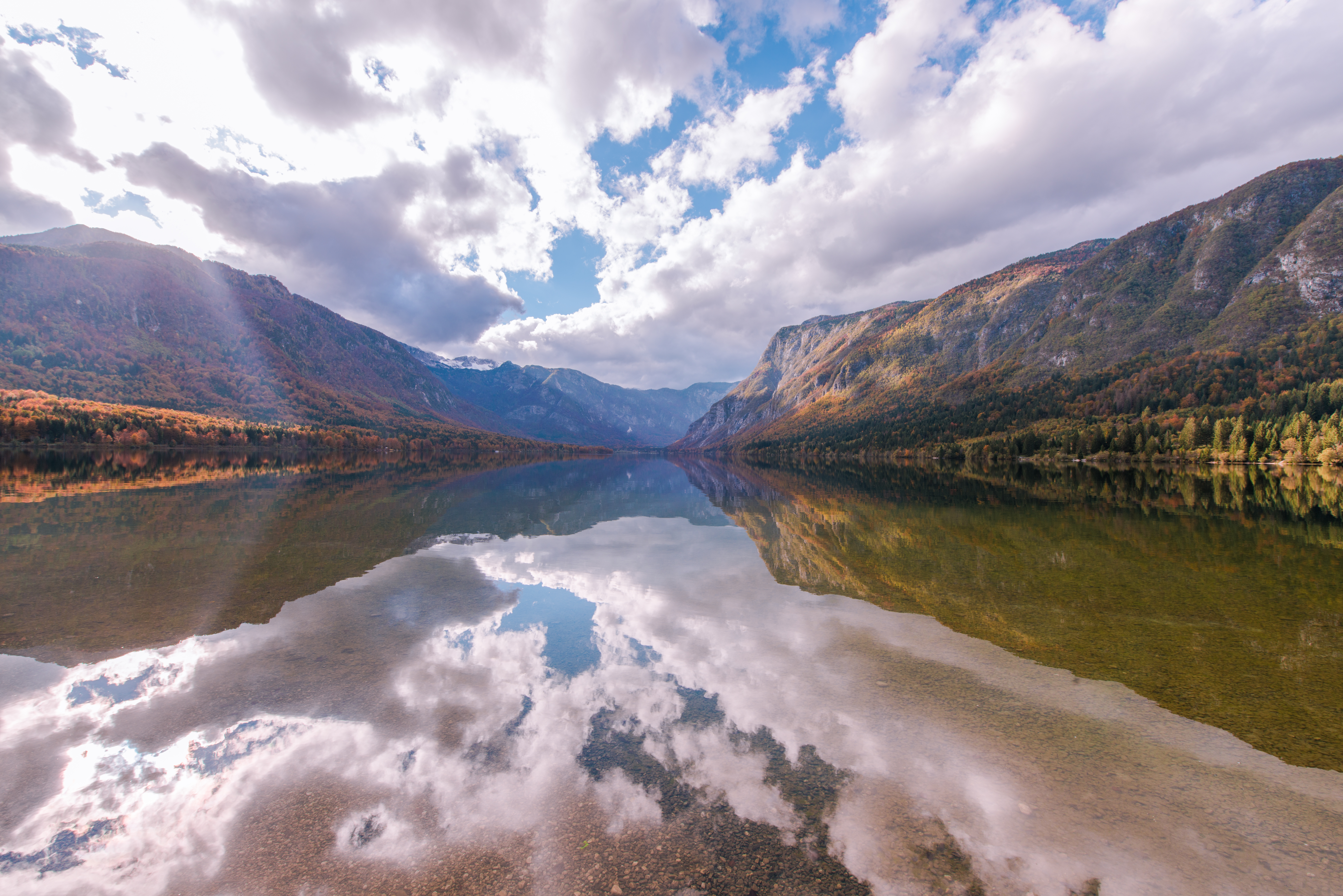
What to listen for: the riff, of course — notice how the whole band leans into those opening notes before the verse even starts. Then listen past it: Jon Lord’s organ fills in the spaces Blackmore leaves, Gillan delivers the story like a man reading a police report with a grin, and Ian Paice’s drumming keeps the lumbering groove from ever dragging.