There is a particular kind of movie heroine that Alfred Hitchcock loved: an ordinary person who stumbles into an extraordinary conspiracy and must survive by wit, courage, and sheer nerve. In Foul Play, writer-director Colin Higgins gives that tradition a gloriously funny 1970s twist, and Goldie Hawn, as Gloria Mundy, plays the heroine to perfection. Recently divorced, slightly lonely, and trying to start again in San Francisco, Gloria becomes the unwitting keeper of a secret that could save the Pope’s life. The result is one of the most entertaining comedies of the decade, and one of Hawn’s most beloved performances.
The plot begins innocently enough. Gloria, a librarian, is encouraged by a friend to be more adventurous. On her way home, she picks up a hitchhiker, Bob Scott, who seems harmless until he is murdered and, with his dying breath, warns her to beware of the dwarf and hides a roll of film in her purse. That film, it turns out, contains evidence of a plot to assassinate the Pope during his visit to San Francisco. Suddenly Gloria is pursued by a gallery of villains, including an albino, a scarred killer, and a seemingly respectable charity organiser, while the police, led by the bumbling but charming Detective Tony Carlson, played by Chevy Chase in his film debut, struggle to believe her story.
Hawn’s Gloria is the film’s greatest asset because she is so believably ordinary. She is not a spy, not a detective, and not a daredevil. She is a woman who likes order, who works in a library, who is cautiously learning to date again after divorce. When danger arrives, she reacts the way a real person might: with disbelief, then panic, then a growing determination not to be a victim. Hawn plays each stage with impeccable comic timing. Her screams are funny, but her fear is real. Her attempts to explain herself to Tony, who keeps misunderstanding her, are hilarious precisely because they feel so plausible. Who would believe a story about dwarfs, albinos, and a plot against the Pope, told by a librarian who has just picked up a hitchhiker?
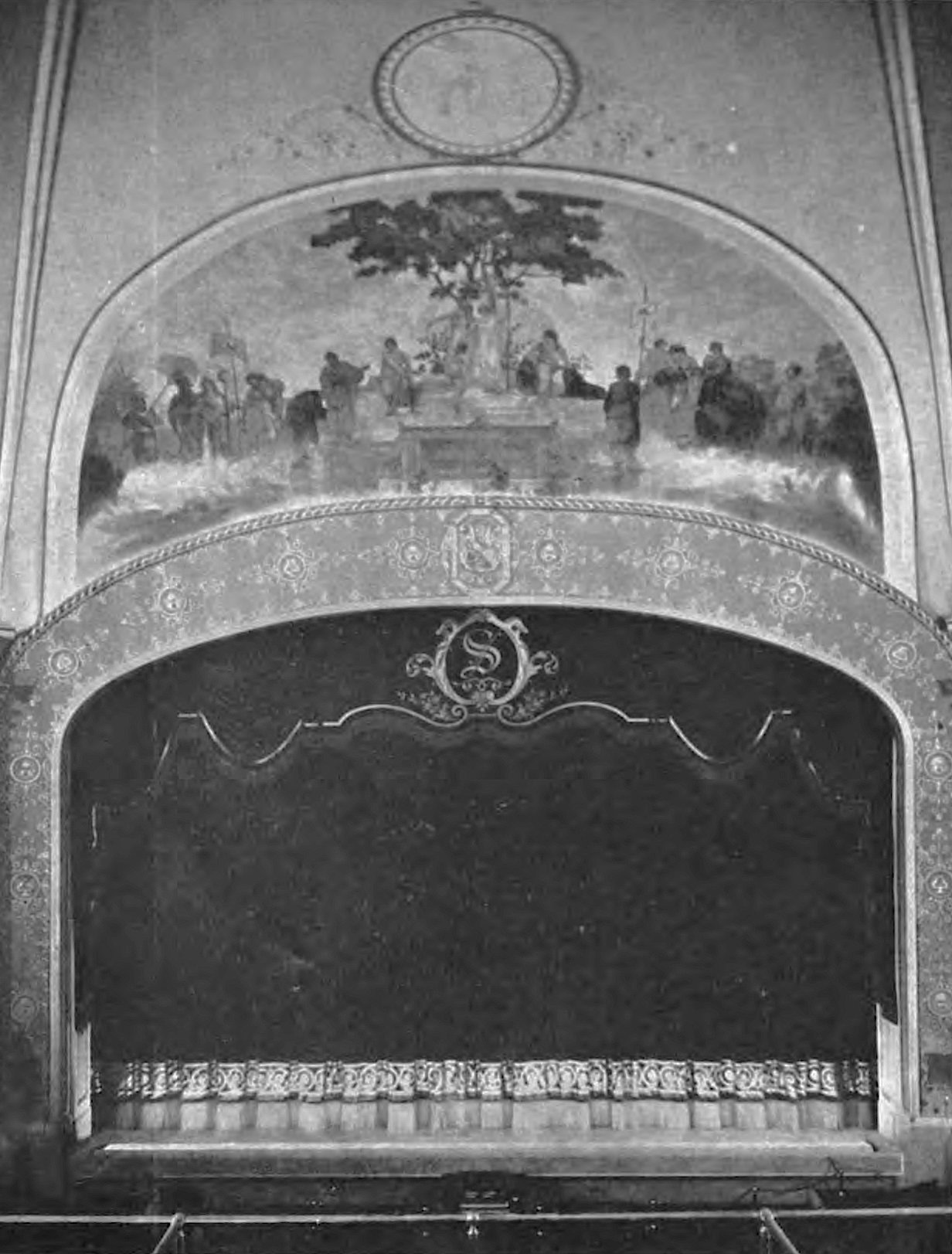
Director Colin Higgins, making his directorial debut after writing Silver Streak, understood that the comedy would only work if the thriller elements were taken seriously. He stages the suspense sequences with genuine skill, borrowing openly from Hitchcock films such as The Man Who Knew Too Much, Notorious, and Dial M for Murder, while keeping the tone light and playful. The famous climax at the San Francisco Opera House, during a performance of The Mikado, is a masterclass in comic suspense. Gloria must stop an assassin while an operetta unfolds on stage, and Higgins cuts between the music, the audience, and Gloria’s desperate efforts with increasing delight. Hawn, running through the opera house in evening dress, is both the heroine of a thriller and the star of a farce, and she never loses the audience’s sympathy.
The supporting cast is equally delightful. Chase, fresh from Saturday Night Live, brings a laid-back, slightly goofy charm to Tony Carlson, and his chemistry with Hawn is immediate and easy. Dudley Moore, as the lecherous orchestra conductor Stanley Tibbets, steals every scene he is in with a seduction routine that is both absurd and oddly endearing. Burgess Meredith, as Gloria’s landlord and martial arts expert Mr. Hennessey, provides a wonderful surprise in the final act. Rachel Roberts, as the villainous Gerda, and Billy Barty, as the dwarf, complete a rogues’ gallery that feels both menacing and comic. Yet it is Hawn who holds the film together, because every joke, every chase, and every narrow escape is filtered through Gloria’s point of view.
Foul Play was a huge commercial success, one of the top-grossing films of 1978, and it earned an Academy Award nomination for Best Original Song, for Barry Manilow’s Ready to Take a Chance Again. It also confirmed Hawn’s status as a star who could open a film on her own name. More than that, it showed her gift for physical comedy. Gloria is chased, tied up, threatened with a scarf, chased through the streets of San Francisco, and forced to improvise at every turn. Hawn performs these sequences with energy and grace, never resorting to mere slapstick, always keeping Gloria’s intelligence visible even in the most absurd situations.
For modern audiences, Foul Play remains a joy because it trusts its heroine. Gloria Mundy does not need to be rescued by Tony Carlson, although he tries his best. She rescues herself, and she rescues the Pope, by paying attention, by refusing to give up, and by using the very ordinariness that made her seem like an unlikely heroine in the first place. That is a very Goldie Hawn theme, and it is why Gloria Mundy belongs alongside Judy Benjamin and Joanna Stayton as one of her defining creations. She is funny, she is frightened, she is brave, and she is, above all, recognisably human.
Part of Foul Play’s charm is how confidently it borrows from Hitchcock while remaining unmistakably a product of 1970s San Francisco. The city itself becomes a character: its hills, its opera house, its libraries, and its streets all provide stages for Gloria’s misadventures. Hawn uses that setting beautifully, running, hiding, and improvising with a physical energy that recalls the great silent comedians as much as any thriller heroine. Yet the film never treats Gloria as a joke. Her divorce, her loneliness, and her desire to start again are played straight, which makes her bravery more impressive when danger arrives. That combination, real emotion inside absurd comedy, became a hallmark of Hawn’s best work. It also explains why Foul Play pairs so well with Private Benjamin, released just two years later. Both films feature a woman who begins the story feeling small and ends it discovering a strength she did not know she possessed. Gloria discovers hers while saving a pope; Judy discovers hers while surviving basic training. Different plots, same Goldie Hawn truth: ordinary women can do extraordinary things when they refuse to give up.