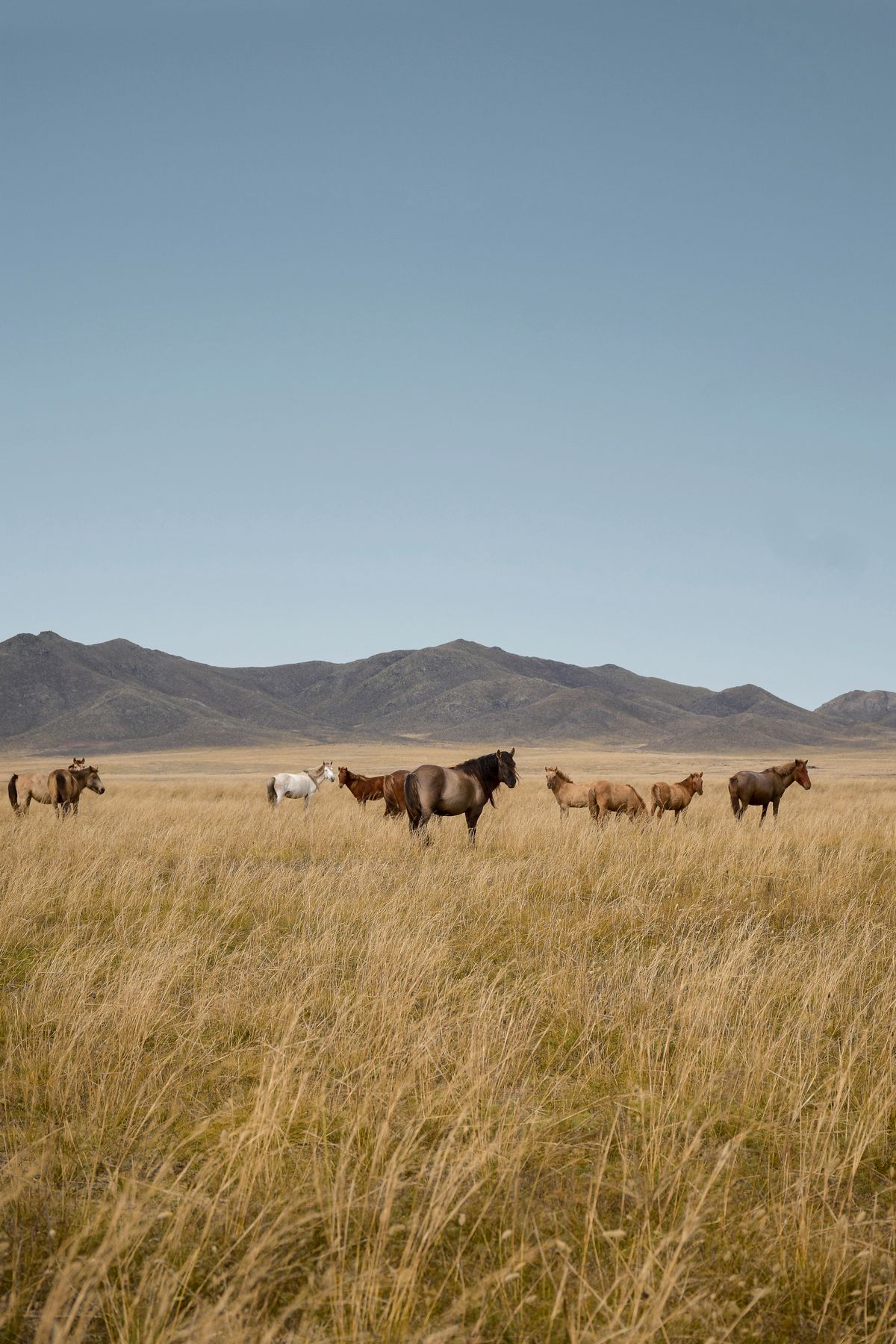
Photo by Ligden E via Pexels. Free to use.
A western of ambition and ruin
Heaven’s Gate, released in 1980 and directed by Michael Cimino, is one of the most famous and most debated films in American cinema. It was intended as a grand western epic about the Johnson County War in Wyoming in the 1890s, a conflict between wealthy cattle barons and poor immigrant settlers. It became, instead, a byword for excess: a hugely expensive production, a troubled release, and a commercial failure that damaged a studio and changed Hollywood. Yet beneath that history lies a film of extraordinary visual beauty and serious intent, and Jeff Bridges is part of its heart.
Bridges plays John L. Bridges, a member of the immigrant community and a friend of James Averill, the Harvard-educated marshal played by Kris Kristofferson. His character is not the film’s hero in the conventional sense. He is a working man, a husband, a friend, caught in a struggle that is much larger than himself. Cimino, who had directed Bridges in Thunderbolt and Lightfoot, cast him again because he trusted Bridges to bring warmth and credibility to a large ensemble. In a film full of grand speeches and sweeping landscapes, Bridges provides something smaller and more valuable: a sense of ordinary life.
An ensemble, not a star vehicle
Heaven’s Gate is an ensemble film, and that suits Bridges. He shares the screen with Kristofferson, Christopher Walken, John Hurt, Sam Waterston and Isabelle Huppert, among many others. The film moves between Harvard in 1870, where Averill and his classmates celebrate their graduation, and Wyoming twenty years later, where those ideals have curdled into violence. Bridges’s John L. Bridges belongs firmly to the second world. He is not an idealist from Harvard. He is a man trying to build a life, raise a family and survive in a place where the law is often on the side of the powerful.
Bridges plays him with his usual ease. He jokes, he argues, he works, he loves. He does not try to steal scenes. He tries to make his character feel like a real person in a real community, and in a film that has been criticised for being distant and overlong, those moments of ordinariness matter. When the settlers gather, dance, argue or mourn, Bridges is often at the centre of the group, not because he is the star, but because he seems like someone who would actually be there.
Beauty, violence and history
Cimino filmed Heaven’s Gate with an obsessive attention to detail. The sets, costumes and landscapes are meticulously recreated, and the cinematography by Vilmos Zsigmond gives the film a hazy, golden beauty. The famous roller-skating dance sequence, in which the settlers celebrate in a vast hall, is one of the most beautiful scenes in any western. Bridges is part of that celebration, and his enjoyment feels genuine rather than performed. He dances, laughs and watches his friends, and for a moment the coming violence seems far away.
When violence does come, it is brutal and confusing, as violence in war usually is. The film does not present the Johnson County War as a clean battle between good and evil. It presents it as a messy, tragic conflict in which poor people suffer most. Bridges’s character, like many others, is caught in that mess. He is not a symbol. He is a man with a name, a family and a stake in the outcome, and his fate, like the fate of the community, is uncertain until the end.
A troubled production, a lasting reputation
Heaven’s Gate was originally released in a very long version, then cut drastically, and it failed at the box office. For years it was discussed mainly as a cautionary tale about directorial excess. In more recent decades, however, critics and audiences have returned to the film, especially in its restored longer version, and found much to admire: its ambition, its visual splendour, its sympathy for immigrants, and its willingness to treat American history as complicated rather than heroic.
Bridges’s performance has benefited from that reassessment. He is not asked to carry the film, and he does not try to. He is asked to be part of a world, and he is. His John L. Bridges is a reminder that westerns are not only about gunfighters and marshals. They are also about the people who build towns, raise children, and try to live decently in difficult times. That is a theme Bridges would return to throughout his career, from the prospectors and pioneers of his later westerns to the ordinary people of his dramas.
Why this role belongs in the set
Heaven’s Gate may not be the first Jeff Bridges film most people think of, but it belongs in any serious survey of his 1970s and 1980s work because it shows his range and his generosity as an actor. He was willing to be part of a difficult, ambitious, unfashionable film, and to play a supporting role with the same care he gave to leading roles. He did not distance himself from the film when it failed. He treated it as part of his work, and time has, in part, vindicated that loyalty.
Watch Heaven’s Gate today, preferably in its longer version, and look for Bridges in the crowd scenes, the dances and the quiet conversations. Notice how he makes a large, sometimes overwhelming film feel human, and how his easy, unforced presence anchors scenes that might otherwise drift into pure spectacle. He is not the hero who saves the day. He is the neighbour, the friend, the working man who makes the day worth saving. In a film about a community under threat, that may be the most important role of all.