1973 · Behind the Songs
A Leon Russell ballad, a B-side that outshone its A-side, and the record that won a Grammy for someone else.
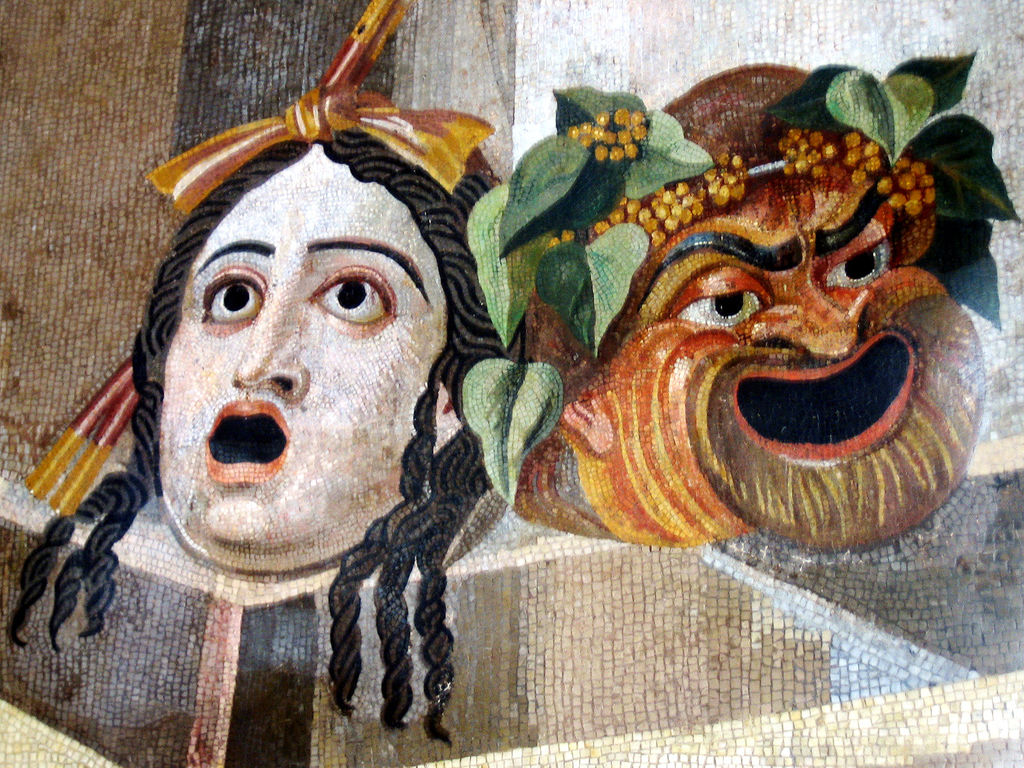
The strangest thing about the Carpenters’ “This Masquerade” is where it started life. It was written by Leon Russell — the wild-haired Oklahoma piano man with the top hat and the gospel growl, about as far from the Carpenters’ polished California pop as you could get in 1972. Russell recorded it that year for his album Carney and tucked it on the B-side of his single “Tight Rope.” Helen Reddy cut it too, on her 1972 album I Am Woman. And then, in 1973, the Carpenters took it into the studio for their album Now & Then — and turned a songwriter’s deep cut into one of the most quietly devastating vocals Karen Carpenter ever recorded. The song would later win the 1977 Grammy for Record of the Year — for George Benson, whose 1976 version became the hit. But the Carpenters got there first, and their version remains the standard.
A songwriter’s song
Leon Russell wrote “This Masquerade” as a jazz-tinged ballad about the end of love — a song about two people still going through the motions, wearing the masks of a couple after the feeling is gone. On Carney it sat in the shadow of “Tight Rope,” Russell’s hit single, and on the B-side of that very single it was easy to miss. Helen Reddy’s 1972 version on I Am Woman gave it a second hearing, but the song was still waiting for the voice that would define it. Richard Carpenter, who had an ear for other writers’ songs the way a jeweler has an eye for stones, heard what the ballad could be in his sister’s voice — and the Carpenters cut it for Now & Then, their 1973 album.
The Now & Then sessions
Now & Then was the Carpenters’ fifth studio album, released in 1973, and it was a record about looking back — its second side was famously built around an oldies medley, a DJ fantasy sequence that framed the duo’s love of the songs they grew up on. “This Masquerade” fit the album’s mood perfectly: a song about pretense, about the performance of happiness, recorded by two siblings whose own public image was the most polished act in pop. The Carpenters’ version is restrained and smoky, Karen singing low and close, Richard’s arrangement giving the song a late-night jazz-club feel that Russell’s original only hinted at. It was the sound of the duo stretching — and of Karen proving, again, that she could sing anything.
The B-side that outgrew the A-side
“Please Mr. Postman” was the hit — the Carpenters’ exuberant 1974 cover of the Marvelettes’ 1961 classic, which went to No. 1 and gave the duo one of their biggest singles. But on the back of that single sat “This Masquerade,” and DJs and fans kept flipping the record over. There is a long tradition of B-sides becoming the real story — and while “This Masquerade” never charted on its own for the Carpenters, it became the version musicians talked about. Karen even sang it on television with Ella Fitzgerald, a summit meeting of two of the great American voices, the student and the master trading a song about masks. You do not get invited to sing with Ella Fitzgerald unless your phrasing is beyond reproach.
George Benson and the Grammy
In 1976, jazz guitarist George Benson recorded “This Masquerade” for his album Breezin’, and his version became the hit the song had been waiting for: No. 10 on the Billboard Hot 100, No. 3 on the Hot Soul Singles chart, No. 12 in Cash Box, and No. 8 in Canada. At the 1977 Grammy Awards, Benson’s record won Record of the Year, and the song was nominated for Song of the Year and for Best Pop Vocal Performance, Male. Leon Russell, the man in the top hat, finally had his standard. But listen to Benson’s version and then the Carpenters’ back to back, and you hear the difference between a great performance and a definitive one: Benson swings it; Karen inhabits it.

Why it endures
The song endures because its metaphor never ages. Every generation learns what a masquerade is — the party where everyone smiles, the relationship where both people know the music has stopped but keep dancing. Russell’s lyric is general enough to fit any ending and specific enough to sting, and Karen’s delivery finds the exact temperature of quiet heartbreak: not angry, not bitter, just tired of pretending. It is also a reminder of how wide the Carpenters’ taste ran. The same duo that sang “Top of the World” could hear a Leon Russell deep cut and know exactly what to do with it. That range — from sunshine to shadow — is why their catalog keeps revealing new rooms.
What to listen for
Listen for the low register. Karen sings “This Masquerade” down in the warm bottom of her range, where her voice takes on that famous velvet weight, and the effect is intimate — like she is telling you something she would not say on stage. Listen for Richard’s arrangement, which resists the urge to pretty the song up; the jazz voicings and the unhurried tempo let the lyric do the work. Notice, too, how the Carpenters’ version never shouts: where other singers might build to a big finish, Karen lets the last line land like a door closing softly. And listen for the masks themselves: the song never explains the metaphor, because it never has to. We have all worn one.