Photo by Nathaniel B. Gerhart via Pexels. Free to use.
A town running out of time
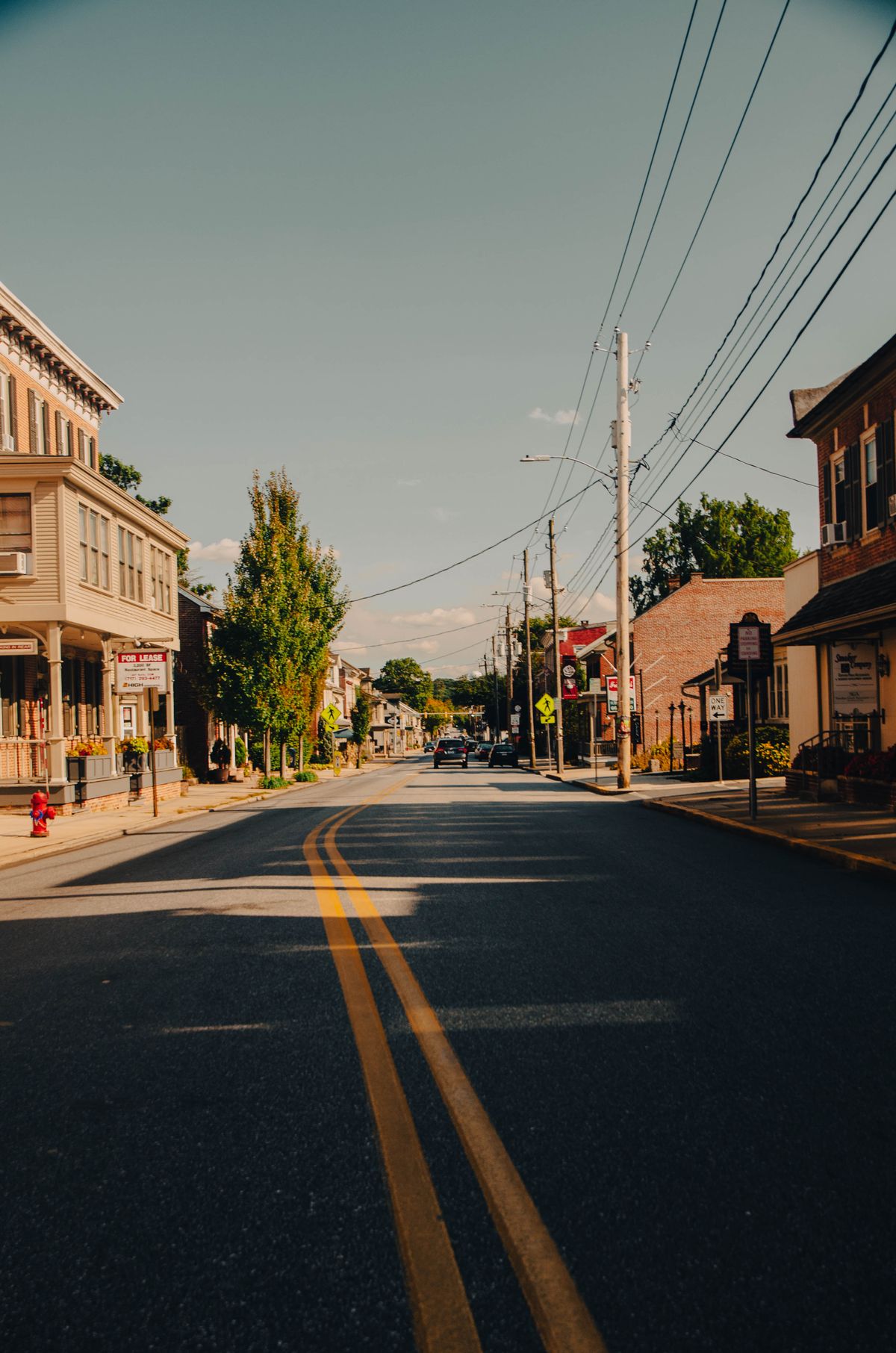
The Last Picture Show, released in 1971 and directed by Peter Bogdanovich, is set in Anarene, a small Texas town in the early 1950s that seems to be slowly emptying out. The wind blows dust through the streets, the pool hall is one of the few places still warm with life, and the local cinema is about to close. Jeff Bridges plays Duane Jackson, a high-school football star who is, by the standards of Anarene, a young man with a future. Yet the film never lets that future feel secure. Duane is handsome and popular, but he is also restless, thoughtless and afraid of being left behind in a place that is already being left behind.
Bridges was twenty-one when he made the film, and his youth is part of its power. He does not look like an actor pretending to be young. He looks like a young man who has not yet learned how to be an adult, and who may never quite learn it in Anarene. The film, adapted from Larry McMurtry’s novel, follows Duane and his best friend Sonny, played by Timothy Bottoms, through first love, first heartbreak and first encounters with death. It is a coming-of-age story, but it refuses the comfort of a simple lesson learned. Growing up, in this film, means discovering that people you love can disappoint you, and that you can disappoint them in return.
Duane, between boyhood and manhood
Duane’s central relationship is with Jacy Farrow, played by Cybill Shepherd, the beautiful and restless daughter of the town’s wealthiest family. Jacy wants excitement, attention and escape, and Duane wants Jacy. Their romance is tender, funny and often painful, because neither of them quite knows what they are asking for. Bridges plays Duane’s desire without making him either a villain or a saint. He is attentive when he wants to be, careless when he is distracted, and genuinely hurt when Jacy turns away from him.
That honesty extends to Duane’s friendship with Sonny. The two boys share jokes, girls, football and silence, and Bridges and Bottoms make their bond feel lived-in rather than scripted. When Sonny suffers, Duane does not always know how to help, and when Duane suffers, Sonny cannot always reach him. The film understands that male friendship at that age is full of loyalty and also full of gaps. Bridges lets those gaps show. He does not fill every silence with a speech. He lets Duane look away, hesitate, or laugh at the wrong moment, and those small failures make the character believable.
A cast of veterans, and a newcomer who holds his own
One of the striking things about The Last Picture Show is how confidently Bridges holds his own among older, more experienced actors. Ben Johnson, as Sam the Lion, the owner of the pool hall and cinema, gives a performance of immense warmth and authority. Cloris Leachman, as Ruth Popper, the lonely wife of the football coach, gives a performance of heartbreaking restraint. Ellen Burstyn, as Jacy’s mother, is sharp, funny and sad in equal measure. A lesser young actor might have been overwhelmed by such company. Bridges is not.
He achieves this not by competing for attention, but by being present. In scenes with Johnson, he listens with the seriousness of a boy who senses that an older man is telling him something important, even if he cannot yet understand it. In scenes with Leachman and Burstyn, he is polite, awkward and sometimes cruel in the way only a teenager can be cruel, without meaning to be. Bogdanovich shot the film in black and white, and that choice suits Bridges’s performance. There is no colour to distract from faces, and his face, open and uncertain, carries much of the story.
Why the performance still matters
The Last Picture Show was nominated for eight Academy Awards, and Bridges was nominated for Best Supporting Actor. He did not win, but the nomination changed his career. It told directors that he could do more than play a handsome young man. He could play a young man in transition, with all the confusion that implies, and he could do it without vanity. He was willing to look foolish, to be wrong, and to let the audience see Duane’s limitations.
The film also matters because it captures a particular moment in American cinema. The early 1970s were a time when Hollywood was willing to make small, sad, beautifully observed films about ordinary people, and to let young directors and young actors take risks. The Last Picture Show is one of the finest examples of that moment. Its Texas town feels real because Bogdanovich filmed in Archer City, McMurtry’s home town, and because the cast, including Bridges, understood the world they were portraying. They did not play types. They played people.
Watching Duane today
Watch The Last Picture Show today and Bridges’s performance still feels fresh. Modern coming-of-age films often explain their characters too much, giving them neat arcs and clear lessons. Duane has no neat arc. At the end of the film he is older, but not necessarily wiser, and the town around him is quieter than ever. Bridges does not force a resolution. He lets Duane walk away from Anarene with the same mixture of hope and uncertainty with which he arrived at adulthood.
That refusal to tidy things up is what makes the role a signature Jeff Bridges performance. Throughout his career, Bridges has specialised in men who are trying to find their way, whether they are football players, thieves, aliens, musicians or drifters. Duane Jackson was the first fully realised version of that figure, and it remains one of the most affecting. He is a boy becoming a man in a town that is becoming a memory, and Bridges plays him with a tenderness that never turns sentimental. It is a debut, in the truest sense, of a major American actor.