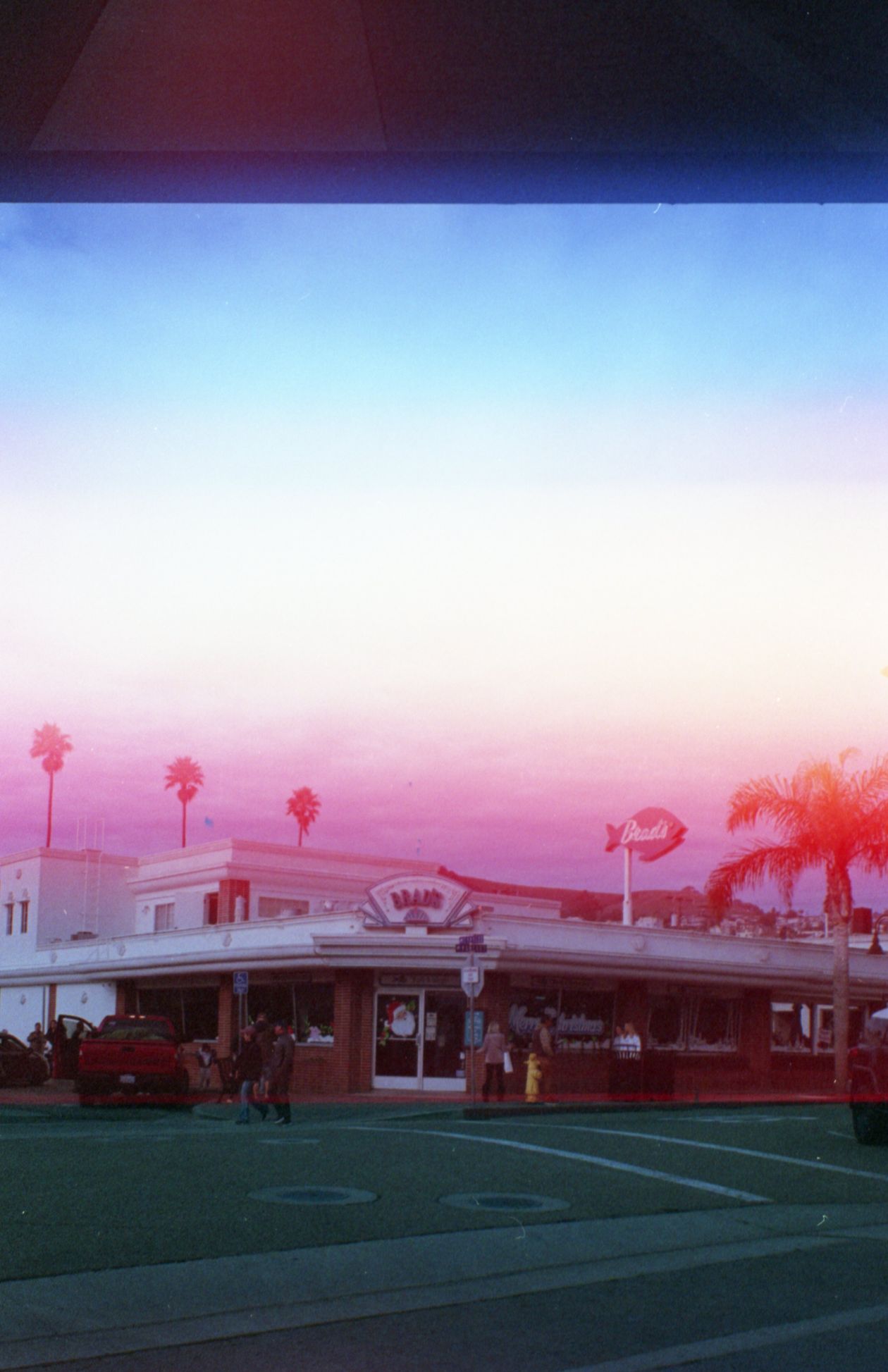
James M. Cain’s novel The Postman Always Rings Twice is one of the great texts of American noir: a story of lust, murder, and fate, told in hard, plain prose. By the time Bob Rafelson remade it in 1981, it had already been filmed memorably in 1946 with Lana Turner. Rafelson’s version, starring Jack Nicholson as the drifter Frank Chambers and Jessica Lange as Cora Papadakis, is hotter, bleaker, and more erotically frank than its predecessor, and at its centre is Lange’s ferocious, heartbreaking performance as a woman who wants freedom so badly that she is willing to kill for it.
A woman trapped
Cora is married to Nick Papadakis, a much older Greek immigrant who runs a roadside diner and service station in Depression-era California. She is young, beautiful, and suffocated. She married Nick for security and found a cage. When Frank wanders in looking for work, the attraction between them is immediate and overwhelming, and within days they are lovers plotting Nick’s murder. Cain’s story is famous for its twist: they succeed, and then fate, in the form of the law, accidents, and their own guilt, delivers them anyway. The postman, as the title says, always rings twice.
Lange plays Cora not as a classic femme fatale, cool and calculating, but as a woman burning alive. Her desire for Frank is real, her hatred of her life with Nick is real, and her terror at what she is planning is real, and all three are present in her face at once. In early scenes, she moves around the diner with a restless, caged energy, wiping counters, serving customers, watching the road as if it might offer an escape. When Frank arrives, Lange’s whole body seems to change: she becomes alert, alive, and dangerous. It is a performance of extraordinary physical honesty. She does not act desire from a distance; she inhabits it.
Noir without the varnish
Rafelson’s film strips away the glamour that softened the 1946 version. The diner is dusty and cramped, the California light is harsh, and the violence, when it comes, is clumsy and horrifying rather than stylish. The famous murder scene, in which Frank and Cora stage a car accident to kill Nick, is played as a botched, panicked, sweaty business, and Lange is superb in it: determined one moment, vomiting with shock the next. She understands that Cora is not a master criminal. She is an ordinary woman who has talked herself into an extraordinary crime and discovers, too late, what that actually feels like.
The film is also notable for its erotic frankness, which was controversial in 1981. Lange and Nicholson’s love scenes are explicit by the standards of mainstream Hollywood at the time, but they are never merely titillating. They are the engine of the story: this is a passion so strong that it overrides judgement, and Rafelson films it as such, urgent and unglamorous. Lange’s commitment to those scenes, her refusal to be coy or decorative, was a statement of intent. She was not interested in being a tasteful star; she was interested in telling the truth about her character, whatever that required.
Lange and Nicholson
The pairing with Nicholson is one of the film’s great strengths. Nicholson’s Frank is charming, lazy, and morally slippery, a man who drifts into murder almost as casually as he drifts into town. Lange’s Cora is the more driven of the two, the one who cannot bear her life for another day. Together they create a portrait of a couple bound by passion and doomed by it. Their scenes crackle with a mixture of tenderness and manipulation: they love each other, they use each other, and they cannot tell the difference anymore.
What makes Lange’s performance endure is the sympathy she brings to Cora without ever excusing her. We understand why Cora wants out. We see the small humiliations of her marriage, Nick’s possessiveness, the diner that feels like a prison, the dreams of a better life that curdle into desperation. And we see, as the film goes on, the cost of her choice: guilt, paranoia, and a love that is poisoned by what they did to obtain it. By the final act, Lange’s Cora is exhausted, frightened, and still defiant, a woman who has lost everything except the knowledge that she tried to be free.
A turning point
The Postman Always Rings Twice was a turning point for Lange. Coming after All That Jazz, it confirmed that her King Kong debut had been no fluke and that she could carry the emotional weight of a major dramatic film opposite one of the great actors of the era. Critics praised her intensity and maturity, and the film cemented her reputation as an actress willing to take risks. It also began the extraordinary run that would carry her through Frances and Tootsie in the following year, a run that remains one of the great hot streaks in American acting.
Seen today, the film holds up as a fierce, sun-bleached noir, and Lange’s Cora is its blazing centre. She took a character who could have been a cliché, the unfaithful wife, and made her human, complicated, and unforgettable. Cora Papadakis wants a life of her own, and she pays for wanting it. Lange makes us feel both the justice and the tragedy of that price, and that double vision is what great noir acting is for.
It is also a film that rewards attention to Lange’s smallest choices: the way Cora’s hands tremble when she pours coffee after Nick’s death, the way her voice hardens when she realises Frank may betray her, the way she clings to the idea of a child as a last chance at redemption. These are not showy moments, but they accumulate into a portrait of a woman whose tragedy is that she can imagine a better life with perfect clarity and cannot reach it without destroying herself. That is why audiences still argue about Cora, whether she is victim or villain, and why Lange’s performance resists any simple verdict.