Dean Martin / Behind the Songs
That’s Amore: The $30,000 Song Jerry Lewis Bought in Secret
His partner paid for the hit — and never told him.

The record in context
In 1953 Dean Martin was half of the biggest comedy act in America — and, as a singer, still his partner’s straight man. Jerry Lewis, determined to get Martin a hit, secretly commissioned songwriters Harry Warren and Jack Brooks to write songs for Martin to sing in their new film The Caddy, paying them a reported $30,000 of his own money. Martin was never told. One of those songs was “That’s Amore” — and it became the biggest hit of his career to that point, reaching No. 2 on the US charts, earning an Academy Award nomination for Best Original Song, and remaining on the Hit Parade for nearly five months.
Martin recorded it on 13 August 1953 with Dick Stabile’s orchestra, in a session that ran from half past eight in the evening until half past midnight. The film scene is pure chaos — a crowded Italian dinner table, Martin singing, Lewis clowning, the whole room joining in — and the record bottles that chaos perfectly. It lost the Oscar to Doris Day’s “Secret Love,” but it won something better: it made Dean Martin a recording star in his own right, no longer just the singer who stood next to the comedian.
Listen closely
The first thing to notice is the grin. Martin sings “That’s Amore” as if he’s in on a joke the listener hasn’t quite caught yet — and in a sense he is, since the song is a string of Italian-American clichés (moonlight, pizza pies, dancing cheek to cheek) delivered with total conviction. Listen to how he leans into the fake-Italian pronunciation: “amore” stretched and savoured, the accent thickened just enough to be funny without ever becoming mockery. He was born Dino Crocetti to Italian parents; the affection in the parody is real.
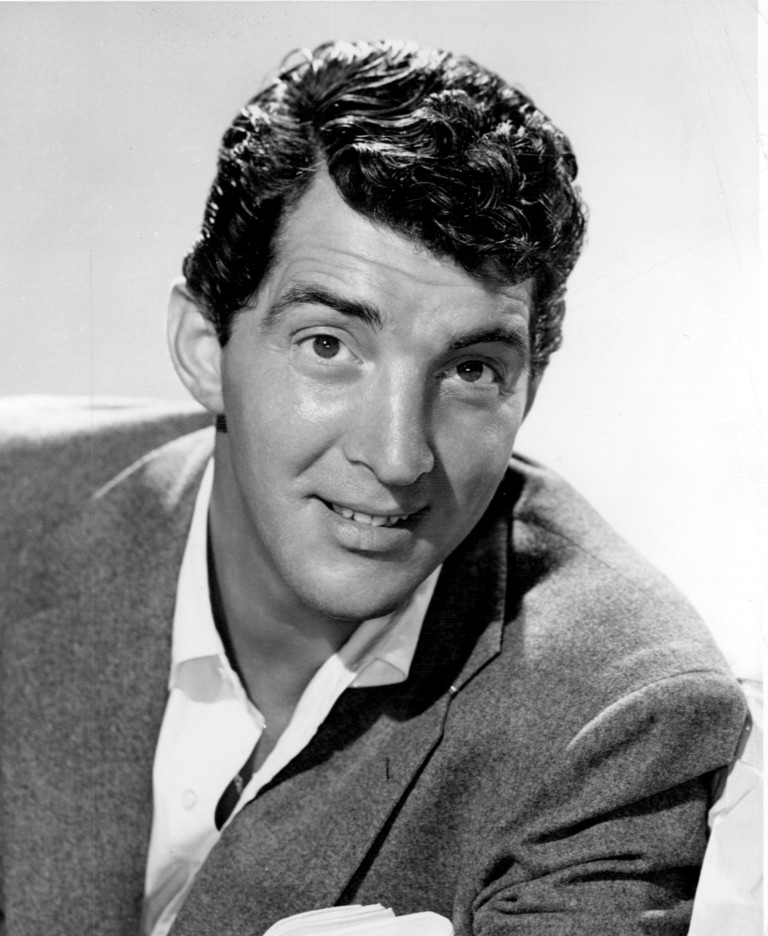
Then listen to the craft underneath the charm. The melody is a first-rate Warren tune — bouncy, memorable, perfectly built — and Martin sings it with the ease that would become his trademark. He never pushes, never strains; the high notes arrive as if by accident. That effortlessness is the whole performance: a singer making the difficult sound inevitable. Compare it with the anxious energy of his Martin & Lewis film performances and you can hear a man discovering, in real time, that he doesn’t need the comedy act. The voice is enough.
The irony that Lewis paid for the song in secret only deepens the record’s meaning. The straight man finally got his spotlight because the clown bought it for him — and the straight man turned it into the signature song of his life. Every time Martin sang “That’s Amore” for the next forty years, he was singing a gift he never knew he’d been given.
There’s a coda to the session story that’s worth savouring. The recording ran from half past eight until half past midnight — four hours for a song that lasts under three minutes. That tells you something about the era’s craftsmanship: a full orchestra, a live vocal, no safety net of overdubs, and everyone in the room working until the take felt inevitable. Listen to the finished record and you can hear that labour transmuted into ease. Nothing sounds worked on; everything sounds found.
And the song’s afterlife is a study in cultural absorption. “That’s Amore” has been in films, commercials, cartoons and wedding playlists for seventy years; it’s one of a handful of songs that people know without knowing they know. But strip away the familiarity and listen fresh, and what’s striking is how good the record is — the tune, the band, the vocal. Lewis’s secret $30,000 bought more than a hit. It bought Martin his independence, his signature, and the opening chapter of one of the great solo careers in American music.
Release and recording reference ↗
Release context is sourced above. Listening observations are Past Tunes’ original interpretation, not quotations from the artist.
More from Dean Martin
One spare hour of studio time, and Beatlemania met its match.
1960 / Behind the SongsAin’t That a Kick in the Head: The Flop That Became ImmortalIt missed the charts in 1960. Nothing has missed it since.
1958 / Behind the SongsVolare: An Italian-American Claims Italy’s SongModugno’s Grammy winner, sung by the man born to sing it.
1960 / Behind the SongsSway: How “Quien Sera” Became the Lounge StandardA Mexican mambo, an English lyric, and Dino’s definitive version.
1956 / Behind the SongsMemories Are Made of This: Five Weeks at the TopThe million-seller that made him a solo star.
1958 / Behind the SongsReturn to Me: The Italian Ballad Comeback“Ritorna-me” and the sound of home.
1954 / Behind the SongsMambo Italiano: Bob Merrill’s Novelty, Dino’s WinkComic timing you can dance to.
1965 / Behind the SongsHouston: Lee Hazlewood’s Wry PortraitThe Reprise years find their storyteller.
1967 / Behind the SongsLittle Ole Wine Drinker, Me: The Country CrossoverThe drinking persona becomes a country song.