Dean Martin / Behind the Songs
Sway: How “Quien Sera” Became the Lounge Standard
A Mexican mambo, an English lyric, and Dino’s definitive version.

The record in context
“Sway” began as “¿Quién será?” — “Who will it be?” — a mambo written by Mexican composer Pablo Beltrán Ruiz and recorded in 1953. English lyrics by Norman Gimbel transformed it into “Sway,” and several artists took a run at it before Dean Martin made it definitive on his 1960 album This Time I’m Swingin’! Martin’s version didn’t just cover the song; it redefined it. Ask anyone to name “Sway” and they’ll hear Dino’s voice — the swaying rhythm, the half-smiling delivery, the sense that the whole record is moving its hips.
The song became one of his most enduring signatures, a staple of his live act and television show, and the template for what “lounge music” would mean for decades. Michael Bublé’s 2004 revival only confirmed what Martin’s version had established: this is one of the great vehicles for a certain kind of masculine charm — seductive, unhurried, faintly dangerous.
Listen closely
The rhythm is everything. The cha-cha pulse underneath Martin’s vocal is hypnotic — steady, insistent, almost subliminal — and he rides it the way a good dancer rides a partner: never fighting it, never quite surrendering to it either. Listen to how he phrases against the beat, sometimes landing squarely on it, sometimes floating just behind. That push-and-pull is the “sway” of the title made audible, and it’s why the record feels physical in a way few vocal performances do.
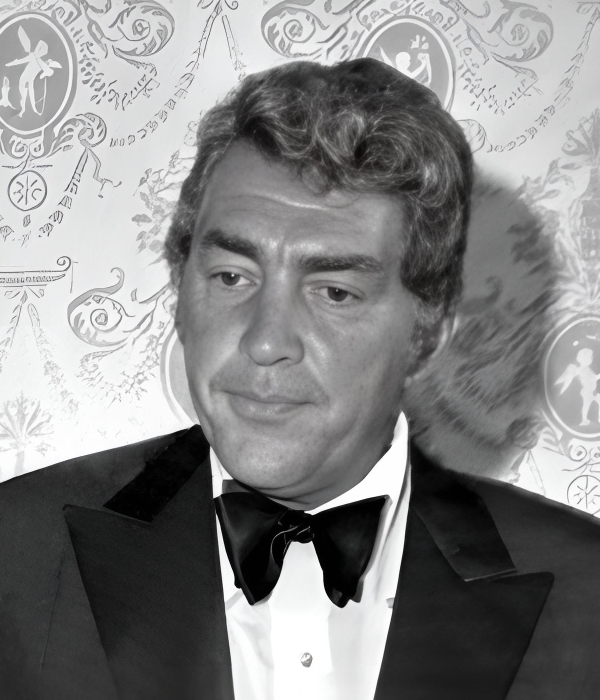
Then there’s the vocal itself — one of Martin’s most seductive. He sings “sway” not as an instruction but as a description of what’s already happening, and the famous elongated vowels (“when marimba rhythms start to play”) are pure Dino: relaxed, warm, faintly amused. Listen for the little rhythmic catches in his phrasing, the way he clips a word here or stretches one there. He’s not just singing the song; he’s dancing with it, and inviting you to join.
What makes the record definitive is its completeness. Other versions of “Sway” sound like songs; Martin’s sounds like an atmosphere — a room, a mood, a time of night. It’s the sound of 1960 at its most sophisticated, and it explains why the song has never really left the culture. Every lounge singer since has been chasing this record, whether they know it or not.
The song’s journey from “¿Quién será?” to “Sway” is itself a lesson in pop alchemy. Beltrán Ruiz’s 1953 mambo was a Latin hit; Gimbel’s English lyric kept the melody’s hypnotic sway but reframed it as a universal seduction. Several artists recorded it, but it took Martin — with his natural Latin lilt and his unhurried sensuality — to find the song’s true centre. Listen to earlier versions and they sound like attempts; Martin’s sounds like the answer. He didn’t just cover “Sway.” He completed it.
And the record’s longevity is worth contemplating. “Sway” has never really left the culture — it’s in films, in commercials, in every wedding DJ’s emergency playlist — because it does something almost no other record does: it creates a physical sensation. You don’t just hear “Sway”; your shoulders move. That’s Martin’s doing. The cha-cha was already there, but he made it breathe, made it human. Sixty-odd years on, the definitive version is still the one where Dino tells you to sway — and you do.
Listen one last time to the album context: This Time I’m Swingin’! was Martin’s declaration that the crooner could swing as hard as anyone, and “Sway” is its thesis statement. The whole record moves — and this track moves most of all. It’s the sound of an artist who’d spent fifteen years learning exactly how much motion a song needs, and exactly how little.
Release and recording reference ↗
Release context is sourced above. Listening observations are Past Tunes’ original interpretation, not quotations from the artist.
More from Dean Martin
His partner paid for the hit — and never told him.
1964 / Behind the SongsEverybody Loves Somebody: The Leftover Hour That Beat the BeatlesOne spare hour of studio time, and Beatlemania met its match.
1960 / Behind the SongsAin’t That a Kick in the Head: The Flop That Became ImmortalIt missed the charts in 1960. Nothing has missed it since.
1958 / Behind the SongsVolare: An Italian-American Claims Italy’s SongModugno’s Grammy winner, sung by the man born to sing it.
1956 / Behind the SongsMemories Are Made of This: Five Weeks at the TopThe million-seller that made him a solo star.
1958 / Behind the SongsReturn to Me: The Italian Ballad Comeback“Ritorna-me” and the sound of home.
1954 / Behind the SongsMambo Italiano: Bob Merrill’s Novelty, Dino’s WinkComic timing you can dance to.
1965 / Behind the SongsHouston: Lee Hazlewood’s Wry PortraitThe Reprise years find their storyteller.
1967 / Behind the SongsLittle Ole Wine Drinker, Me: The Country CrossoverThe drinking persona becomes a country song.