Dean Martin / Behind the Songs
Ain’t That a Kick in the Head: The Flop That Became Immortal
It missed the charts in 1960. Nothing has missed it since.
The record in context
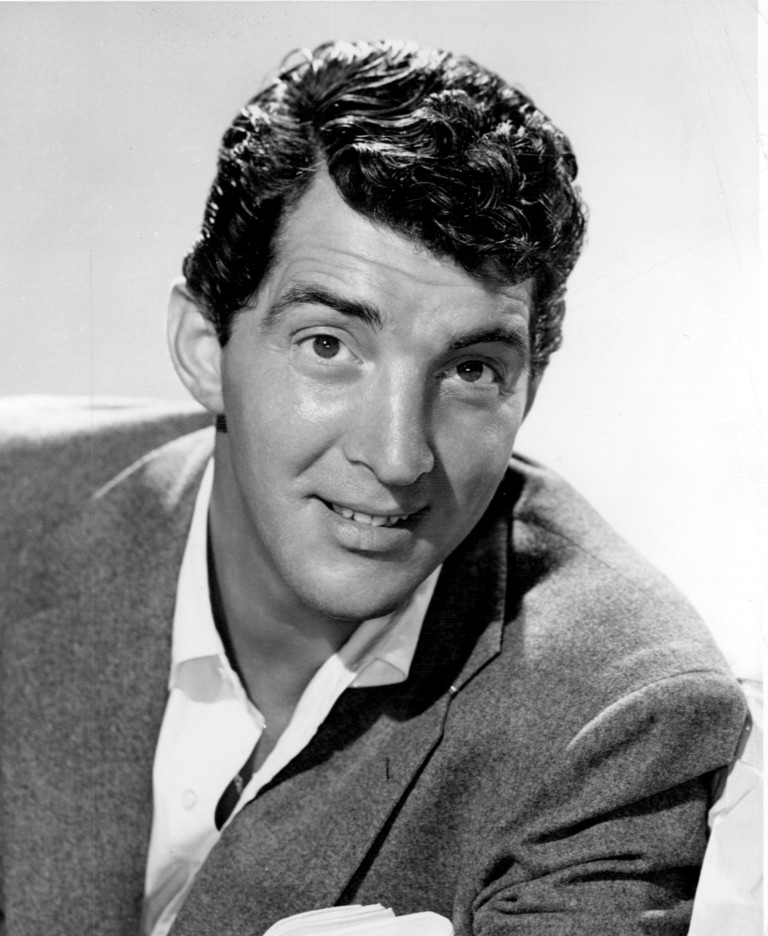
Jimmy Van Heusen and Sammy Cahn — Sinatra’s songwriters, Hollywood’s finest — wrote “Ain’t That a Kick in the Head” specifically for the 1960 Rat Pack film Ocean’s 11. Dean Martin recorded it on 10 May 1960 in a swinging big-band arrangement conducted by Nelson Riddle; in the film he performs it in a smaller arrangement with vibraphonist Red Norvo’s quartet, lounging in a Las Vegas casino as his character Sam Harmon. The single was released in July 1960 — and it didn’t even crack the Billboard Hot 100.
What happened next is one of pop’s great second acts. The song refused to die. It became the definitive Rat Pack anthem, the shorthand for an entire era of Vegas cool, turning up in films, commercials and — in 2010 — as the opening radio track and first quest title of the video game Fallout: New Vegas, introducing it to a generation born decades after the Sands Hotel was demolished. A record that flopped on release is now arguably Martin’s most famous recording. The charts got it wrong; time corrected them.
Listen closely
Start with Nelson Riddle’s arrangement — it’s the engine of the whole record. The brass punches, the rhythm section struts, and the whole thing moves with a confidence that borders on arrogance. Then Martin walks in over the top of it, completely relaxed, and the contrast is the performance: the band is working hard so the singer doesn’t have to. Listen to how he lands on the title phrase — “ain’t that a kick in the head” — with a grin you can hear, stretching “head” just enough to let the joke land.

The lyric is a marvel of Cahn’s craft: a catalogue of the physical symptoms of love — “like the sailor said, quote, ‘ain’t that a hole in the boat'” — delivered as a series of punchlines. Martin sings it like a man telling stories at the bar, and the key is his timing. He never rushes a punchline; he lets each image settle before moving on. Listen to the verse about the “shot in the dark” and the “kick in the head”: the metaphors are violent, but the delivery is pure silk. That friction — tough words, soft voice — is the Dino formula in miniature.
What the record really sells is a persona: the man for whom everything is easy, even love’s sucker punches. It’s a fantasy, of course — the apple-juice-in-the-tumbler legend notwithstanding — but Martin sells it so completely that the fantasy became the reality. When you hear this song, you don’t hear 1960. You hear an idea of cool so potent it outlived the era that invented it.
The recording session itself is a snapshot of a vanished craft. May 10, 1960: Martin, Nelson Riddle’s orchestra, a live room, no overdubs. Riddle — the architect of the Capitol sound, Sinatra’s great collaborator — gives the song its strut: punching brass, a rhythm section that swings like a screen door in a breeze. Listen to the instrumental breaks, where the band gets to show off. Riddle understood that a Martin record works best when the singer sounds like the laziest man in a room full of hard workers, and he arranges accordingly.
And then there’s the strange mathematics of its fame. A song that missed the Hot 100 entirely in 1960 is now streamed, licensed and quoted more than most No. 1s of its era. It outlived the film it was written for, the era that ignored it, and the chart system that couldn’t find room for it. There’s a lesson in that about the difference between popularity and permanence — and about Dean Martin, who specialized in the second. The kick in the head turned out to be time’s, not love’s.
Release and recording reference ↗
Release context is sourced above. Listening observations are Past Tunes’ original interpretation, not quotations from the artist.
More from Dean Martin
His partner paid for the hit — and never told him.
1964 / Behind the SongsEverybody Loves Somebody: The Leftover Hour That Beat the BeatlesOne spare hour of studio time, and Beatlemania met its match.
1958 / Behind the SongsVolare: An Italian-American Claims Italy’s SongModugno’s Grammy winner, sung by the man born to sing it.
1960 / Behind the SongsSway: How “Quien Sera” Became the Lounge StandardA Mexican mambo, an English lyric, and Dino’s definitive version.
1956 / Behind the SongsMemories Are Made of This: Five Weeks at the TopThe million-seller that made him a solo star.
1958 / Behind the SongsReturn to Me: The Italian Ballad Comeback“Ritorna-me” and the sound of home.
1954 / Behind the SongsMambo Italiano: Bob Merrill’s Novelty, Dino’s WinkComic timing you can dance to.
1965 / Behind the SongsHouston: Lee Hazlewood’s Wry PortraitThe Reprise years find their storyteller.
1967 / Behind the SongsLittle Ole Wine Drinker, Me: The Country CrossoverThe drinking persona becomes a country song.