Dean Martin / Behind the Songs
Everybody Loves Somebody: The Leftover Hour That Beat the Beatles
One spare hour of studio time, and Beatlemania met its match.
The record in context
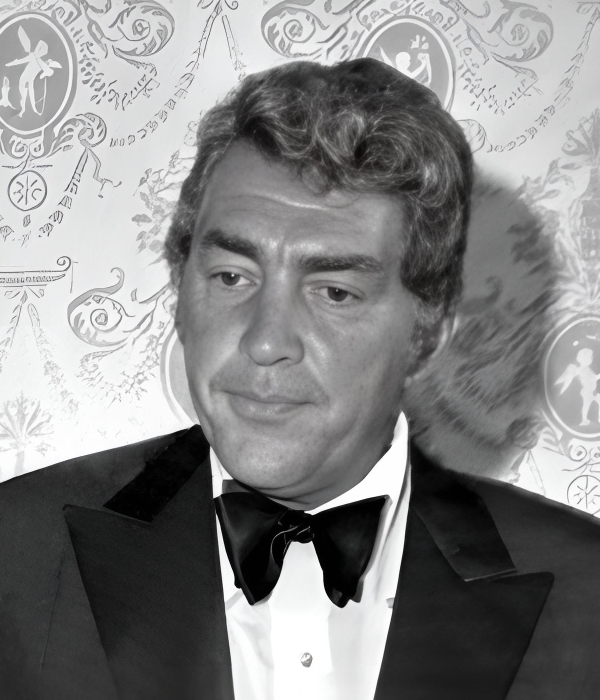
The song was written in 1947 by Irving Taylor and pianist Ken Lane, and it had already been recorded by several artists — including Frank Sinatra — without making much noise. In April 1964, Lane was playing piano on Martin’s Dream with Dean album sessions when the clock showed an hour of studio time left and one song still needed. Lane suggested his old tune. Martin ran through it, more or less as a favour, and thought little of it. Released as a single in June 1964, it did what no one expected: on 15 August it knocked the Beatles’ “A Hard Day’s Night” off the No. 1 spot on the Billboard Hot 100, topping both the Hot 100 and the Pop-Standard chart — the latter for eight weeks.
Martin, who made no secret of his dislike for rock ‘n’ roll, had told his Beatles-worshipping teenage son Dean Paul: “I’m gonna knock your pallies off the charts.” He did. It was his first No. 1 since 1956 and his first Top 40 hit in six years, and it became his signature song — the theme he would sing to open his television show for the next decade. He even sent Elvis Presley a telegram: “If you can’t handle the Beatles, I’ll do it for you, pally.”
Listen closely
The arrangement is the secret weapon. Ernie Freeman gave the 1947 ballad a contemporary backbeat — a rock-influenced pulse under the strings — and the result is a record that sounds both classic and current. Listen to how the drums push the song forward while Martin floats above them, completely unbothered. The tension between the modern rhythm section and his timeless croon is the whole trick: it’s a traditional pop song wearing 1964 clothes, and it fits.

Martin’s vocal is a study in relaxed authority. He doesn’t oversell a syllable; the famous warmth does the work. Listen to the way he phrases “everybody loves somebody sometime” — the words rolling out with a shrug and a smile, as if the sentiment were too obvious to need emphasis. That’s the Martin genius: he makes the biggest emotions sound like common sense. A lesser singer would have belted the chorus; Martin practically murmurs it, and the understatement is what made teenagers’ parents buy the record by the millions.
There’s a lovely irony in the song’s history. A tune nobody wanted, recorded to fill an hour, became the record that proved traditional pop could still beat rock at its own game — if only for a week. Martin never chased the charts again with such force; he didn’t need to. He had his theme song, his revenge on Beatlemania, and one of the great “overnight” successes that was actually seventeen years in the making.
It’s worth pausing on what the record meant in August 1964. The Beatles had held No. 1 for most of the year; the British Invasion was supposed to have swept the old guard away. Martin’s triumph wasn’t just a chart statistic — it was a cultural argument, made by a 47-year-old crooner with a 1947 song, that there was still room for warmth and craft in the new pop landscape. The kids bought Beatles records; their parents bought this one. And for one week, the parents won.
The song’s second life as Martin’s theme is its own story. He sang “Everybody Loves Somebody” to open The Dean Martin Show for nine seasons, and the lyric became a kind of personal motto — the genial philosophy of a man who genuinely seemed to like everybody. Listen to those TV performances against the 1964 single and you hear the song loosening up over the years, becoming less a record than a greeting. It started as a favour to fill an hour. It ended as the most famous hello in television.
Release and recording reference ↗
Release context is sourced above. Listening observations are Past Tunes’ original interpretation, not quotations from the artist.
More from Dean Martin
His partner paid for the hit — and never told him.
1960 / Behind the SongsAin’t That a Kick in the Head: The Flop That Became ImmortalIt missed the charts in 1960. Nothing has missed it since.
1958 / Behind the SongsVolare: An Italian-American Claims Italy’s SongModugno’s Grammy winner, sung by the man born to sing it.
1960 / Behind the SongsSway: How “Quien Sera” Became the Lounge StandardA Mexican mambo, an English lyric, and Dino’s definitive version.
1956 / Behind the SongsMemories Are Made of This: Five Weeks at the TopThe million-seller that made him a solo star.
1958 / Behind the SongsReturn to Me: The Italian Ballad Comeback“Ritorna-me” and the sound of home.
1954 / Behind the SongsMambo Italiano: Bob Merrill’s Novelty, Dino’s WinkComic timing you can dance to.
1965 / Behind the SongsHouston: Lee Hazlewood’s Wry PortraitThe Reprise years find their storyteller.
1967 / Behind the SongsLittle Ole Wine Drinker, Me: The Country CrossoverThe drinking persona becomes a country song.