Dean Martin / Behind the Songs
Memories Are Made of This: Five Weeks at the Top
The million-seller that made him a solo star.

The record in context
When Martin & Lewis split in July 1956, the smart money said Jerry Lewis was the talent and Dean Martin was the decoration. Five months later, Martin had the No. 1 record in America. “Memories Are Made of This” — written by Terry Gilkyson, Richard Dehr and Frank Miller — was released in late 1955 and hit No. 1 on the Billboard chart in January 1956, where it stayed for five weeks, becoming Martin’s first million-selling single. The decoration, it turned out, could sing.
The record’s success was a vindication with a backbeat. Martin had been recording solo hits for years — “That’s Amore” had already proved his commercial power — but this was different: a No. 1 without Lewis anywhere in sight, at the exact moment the industry was writing his obituary. The song’s homespun nostalgia, complete with a children’s chorus, was the perfect vehicle for Martin’s warmth. America had doubted him; he answered with the biggest record of the winter.
Listen closely
The arrangement is deceptively simple — and that’s the point. A gentle guitar figure, a soft backing chorus (the Easy Riders), and Martin’s voice front and centre, singing about sweethearts and memories with total sincerity. Listen to how unguarded he sounds: none of the Vegas wink, none of the lounge irony. This is Martin the romantic, and the directness is disarming. The famous chorus — “sweet, sweet memories you gave to me” — is sung straight, and the straightness is what makes it work.
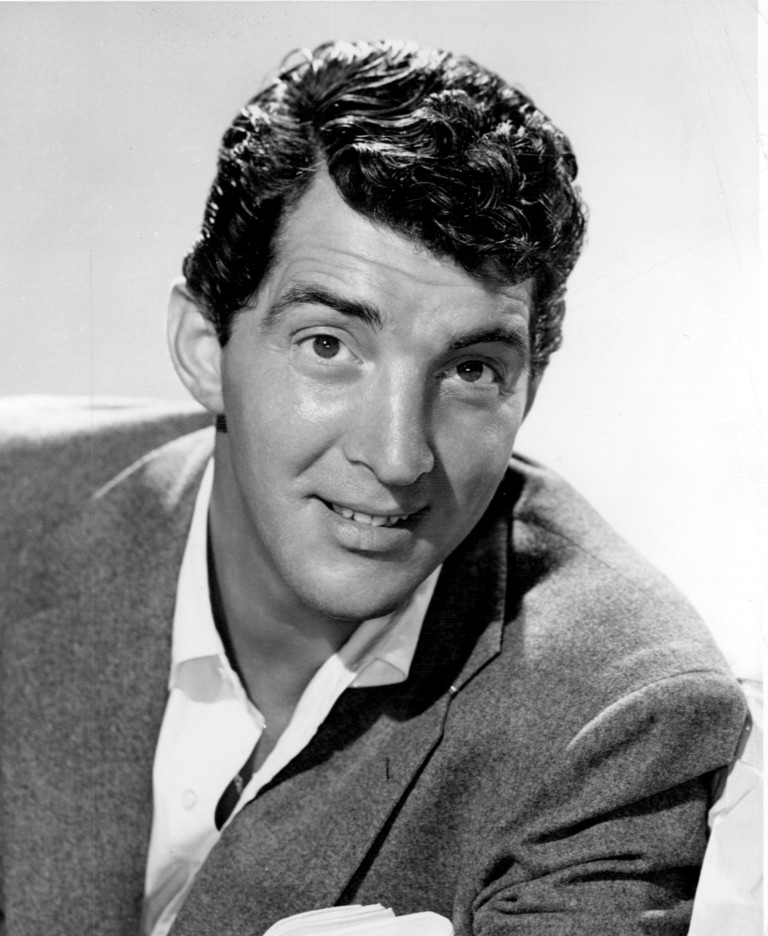
Notice the backing vocals. The Easy Riders’ soft “do-do-do” behind Martin gives the record its fireside warmth, and the children’s voices on the chorus add a note of innocence that keeps the nostalgia from curdling into sentimentality. Listen to how Martin interacts with them — he’s not singing over the chorus so much as singing with it, like a father joining a family singalong. It’s a completely different persona from the King of Cool, and it reveals the range he rarely got credit for.
What the record proves is that Martin’s ease wasn’t an act — or rather, that the act was built on something real. The same voice that would later sell insouciance by the yard could also sell sincerity, and “Memories Are Made of This” is the proof. Five weeks at No. 1, a million copies, and a career saved: not bad for the expendable half of the act.
The songwriters are worth a moment. Terry Gilkyson, Richard Dehr and Frank Miller were folk-pop craftsmen, and “Memories Are Made of This” has a folk song’s simplicity — a tune you could sing around a campfire. That simplicity was the point, and it was a shrewd choice for Martin in late 1955. Rock ‘n’ roll was exploding; the charts were filling with noise and attitude. Martin answered with warmth, and five weeks at No. 1 suggests the country was ready for it. Sometimes the most radical move is a gentle one.
The record’s timing, coming months after the Martin & Lewis split, gives every listen a charge of vindication. The industry had decided Martin was the expendable half; the public, given the chance to vote with their wallets, disagreed by a million copies. Listen to the confidence in the vocal — not arrogance, just the quiet assurance of a man who knows exactly what he’s worth. He’d been told he was the decoration. “Memories Are Made of This” was his reply, sung sweetly, at the top of the charts, for five straight weeks.
And spare a thought for what the record proved about the music business: that sincerity, well sung, could outsell attitude. In the year rock ‘n’ roll supposedly changed everything, the biggest record of the winter was a gentle waltz about memories. Martin never forgot the lesson — and neither, for five weeks at No. 1, did America.
Release and recording reference ↗
Release context is sourced above. Listening observations are Past Tunes’ original interpretation, not quotations from the artist.
More from Dean Martin
His partner paid for the hit — and never told him.
1964 / Behind the SongsEverybody Loves Somebody: The Leftover Hour That Beat the BeatlesOne spare hour of studio time, and Beatlemania met its match.
1960 / Behind the SongsAin’t That a Kick in the Head: The Flop That Became ImmortalIt missed the charts in 1960. Nothing has missed it since.
1958 / Behind the SongsVolare: An Italian-American Claims Italy’s SongModugno’s Grammy winner, sung by the man born to sing it.
1960 / Behind the SongsSway: How “Quien Sera” Became the Lounge StandardA Mexican mambo, an English lyric, and Dino’s definitive version.
1958 / Behind the SongsReturn to Me: The Italian Ballad Comeback“Ritorna-me” and the sound of home.
1954 / Behind the SongsMambo Italiano: Bob Merrill’s Novelty, Dino’s WinkComic timing you can dance to.
1965 / Behind the SongsHouston: Lee Hazlewood’s Wry PortraitThe Reprise years find their storyteller.
1967 / Behind the SongsLittle Ole Wine Drinker, Me: The Country CrossoverThe drinking persona becomes a country song.