Dean Martin / Behind the Songs
Mambo Italiano: Bob Merrill’s Novelty, Dino’s Wink
Comic timing you can dance to.
The record in context
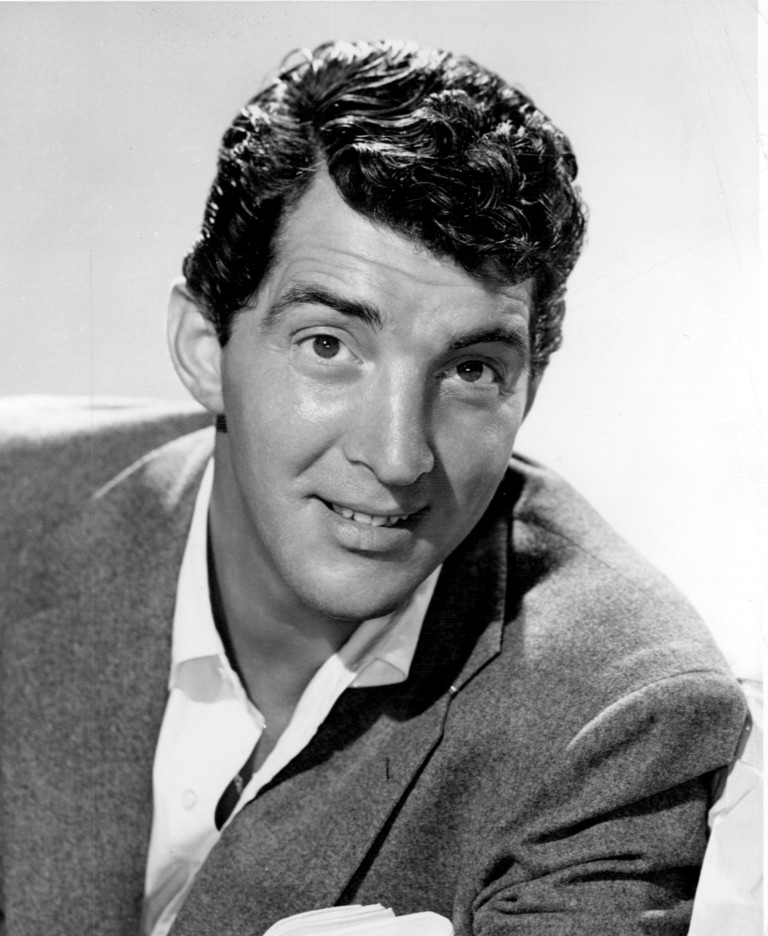
“Mambo Italiano” was written by Bob Merrill — the Tin Pan Alley pro behind “How Much Is That Doggie in the Window” — as a full-tilt novelty: a fake-Italian mambo, stuffed with comic Italian phrases and delivered at breakneck speed. Dean Martin recorded it in 1954, and it became a transatlantic hit, reaching the US Top 10 and the UK Top 20. On paper it was a throwaway. In Martin’s hands it became something else: a masterclass in comic singing, and a reminder that the man could do funny as well as anyone alive — he’d spent a decade as half of Martin & Lewis, after all.
The joke of the record is its exuberance. Merrill’s lyric is a pile-up of Italian clichés — “hey mambo, mambo italiano” — and the arrangement races along like it’s trying to outrun the punchline. Lesser singers would have hammed it up. Martin does something smarter: he sings it absolutely straight, at full tilt, and lets the material be the joke. The comedy comes from his commitment, not his winking.
Listen closely
The tempo is the first shock. “Mambo Italiano” moves — really moves — and Martin rides it without a stumble, spitting out Merrill’s tongue-twisting Italian phrases with the precision of a man who’s been speaking the language (or something like it) all his life. Listen to the patter sections: the words come so fast they barely have room to breathe, and yet every syllable lands. This is a singer showing off his technique while pretending he’s just having fun.

Then listen for the moments he lets the mask slip. Between the comic phrases, there are flashes of the real crooner — a warm held note here, a smooth phrase there — and the contrast is delicious. He’s simultaneously sending up the Italian novelty song and proving he could sing it better than anyone. The famous “hey!” interjections, delivered with mock-operatic grandeur, are the sound of a man who knows exactly how ridiculous this all is and is having the time of his life anyway.
What the record preserves is Martin’s comedy training in musical form. A decade of playing straight man to Jerry Lewis had taught him the most valuable comic lesson there is: never let them see you trying to be funny. “Mambo Italiano” is hilarious precisely because Martin refuses to laugh at it. He sings it like it matters — and somehow, for two and a half minutes, it does.
Bob Merrill is one of pop’s great unsung craftsmen — “How Much Is That Doggie in the Window,” “If I Knew You Were Comin’ I’d’ve Baked a Cake” — and “Mambo Italiano” is his masterpiece of controlled chaos. The lyric is a marvel of comic writing: fake-Italian phrases piled so high they topple, a melody that never sits still. What Merrill needed was a singer who could surf the chaos without drowning in it, and Martin — with his comedy training and his genuine Italian roots — was the only possible choice. He sings the joke and the heritage at the same time.
There’s a deeper pleasure in the record for anyone who knows Martin’s story. Here’s a kid from Steubenville who grew up hearing Italian at home, who became famous playing a clown’s straight man, now tearing through a novelty song about his own ethnicity at 150 miles an hour — and nailing every syllable. The comedy lands because the craft is real. “Mambo Italiano” is two and a half minutes of pure joy, and it reminds you that before Dino was the King of Cool, he was one of the funniest singers who ever lived.
Release and recording reference ↗
Release context is sourced above. Listening observations are Past Tunes’ original interpretation, not quotations from the artist.
More from Dean Martin
His partner paid for the hit — and never told him.
1964 / Behind the SongsEverybody Loves Somebody: The Leftover Hour That Beat the BeatlesOne spare hour of studio time, and Beatlemania met its match.
1960 / Behind the SongsAin’t That a Kick in the Head: The Flop That Became ImmortalIt missed the charts in 1960. Nothing has missed it since.
1958 / Behind the SongsVolare: An Italian-American Claims Italy’s SongModugno’s Grammy winner, sung by the man born to sing it.
1960 / Behind the SongsSway: How “Quien Sera” Became the Lounge StandardA Mexican mambo, an English lyric, and Dino’s definitive version.
1956 / Behind the SongsMemories Are Made of This: Five Weeks at the TopThe million-seller that made him a solo star.
1958 / Behind the SongsReturn to Me: The Italian Ballad Comeback“Ritorna-me” and the sound of home.
1965 / Behind the SongsHouston: Lee Hazlewood’s Wry PortraitThe Reprise years find their storyteller.
1967 / Behind the SongsLittle Ole Wine Drinker, Me: The Country CrossoverThe drinking persona becomes a country song.