Dean Martin / Behind the Songs
Little Ole Wine Drinker, Me: The Country Crossover
The drinking persona becomes a country song.

The record in context
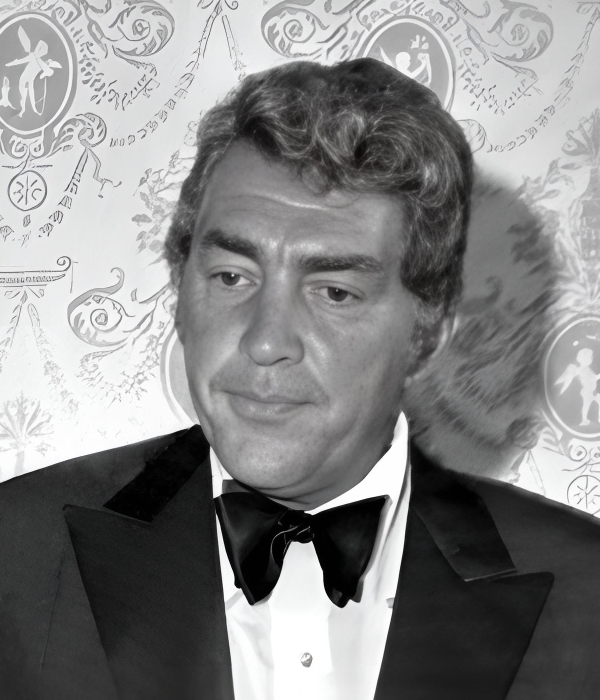
By 1967 Dean Martin’s public persona — the tuxedoed bon vivant with the ever-present glass — was as famous as his voice. “Little Ole Wine Drinker, Me,” written by Hank Mills and Dick Jennings, turned that persona into a song: a cheerful country waltz about a man whose drinking has cost him his love, sung with a wink the size of Texas. Released as a single in 1967 and the centrepiece of the album Welcome to My World, it became a country-chart hit and one of Martin’s most beloved late-1960s records.
The song was a perfect fit for the moment. Country-pop crossovers were booming, Martin’s Reprise albums were selling steadily, and the drinking persona — always more performance than reality — had become a kind of folk character. “Little Ole Wine Drinker, Me” let Martin play that character in three-quarter time, and the public adored it. It was also a quiet masterstroke of self-awareness: the singer turning his own mythology into material.
Listen closely
The waltz tempo is the first pleasure. Country music’s three-quarter time gives the song a lilt that Martin rides with obvious delight — listen to how he leans into the downbeats, the phrasing just behind the beat in that inimitable Dino way. The lyric is a comedy of self-pity (“I’m praying for the rain in California”), and Martin sells every line with the timing of a man who’s told the joke a hundred times and still enjoys it.
Notice how the vocal balances confession and comedy. The song’s narrator has genuinely lost something — the girl, the life — but Martin never lets it get maudlin. Listen to the chorus: “little ole wine drinker, me” sung with a shrug and a smile, the self-deprecation so complete it becomes a kind of pride. It’s the same trick he pulled on “That’s Amore” fourteen years earlier: take a potentially sad song and sing it like the happiest man in the room.
What the record really is, underneath the jokes, is a portrait of the Martin persona at its most self-aware. The drinking, the ease, the shrug — it was always partly a character, and here the character sings about himself in the third person. That takes a rare kind of confidence: to turn your own mythology into a country song, and to make it one of the warmest records of your career. Play it next to the early Capitol hits and you hear a man who’s learned exactly who he is — and decided to enjoy it.
The songwriters, Hank Mills and Dick Jennings, were Nashville pros, and they wrote “Little Ole Wine Drinker, Me” as a straight country weeper — the kind of song where the joke is also the tragedy. What Martin brought was the persona: by 1967, the whole world knew Dino as the lovable lush, and the song lets him play that character with a twinkle. Listen to how he leans into the self-deprecation — “little ole” delivered with mock humility, “me” with a shrug. It’s a performance that knows exactly what the audience thinks of him, and loves them for it.
There’s poignancy underneath the wink, if you listen for it. The drinking persona was always partly a shield — the apple-juice legend, the carefully maintained image of the man who never took anything seriously. “Little Ole Wine Drinker, Me” lets the shield become the song, and in doing so reveals the intelligence behind it. Martin knew precisely what he was selling, and he sold it with such warmth that the whole world bought in. The country charts welcomed him; the pop audience never left. And the man at the centre of it all just kept smiling, glass in hand, singing about himself in the third person.
Release and recording reference ↗
Release context is sourced above. Listening observations are Past Tunes’ original interpretation, not quotations from the artist.
More from Dean Martin
His partner paid for the hit — and never told him.
1964 / Behind the SongsEverybody Loves Somebody: The Leftover Hour That Beat the BeatlesOne spare hour of studio time, and Beatlemania met its match.
1960 / Behind the SongsAin’t That a Kick in the Head: The Flop That Became ImmortalIt missed the charts in 1960. Nothing has missed it since.
1958 / Behind the SongsVolare: An Italian-American Claims Italy’s SongModugno’s Grammy winner, sung by the man born to sing it.
1960 / Behind the SongsSway: How “Quien Sera” Became the Lounge StandardA Mexican mambo, an English lyric, and Dino’s definitive version.
1956 / Behind the SongsMemories Are Made of This: Five Weeks at the TopThe million-seller that made him a solo star.
1958 / Behind the SongsReturn to Me: The Italian Ballad Comeback“Ritorna-me” and the sound of home.
1954 / Behind the SongsMambo Italiano: Bob Merrill’s Novelty, Dino’s WinkComic timing you can dance to.
1965 / Behind the SongsHouston: Lee Hazlewood’s Wry PortraitThe Reprise years find their storyteller.