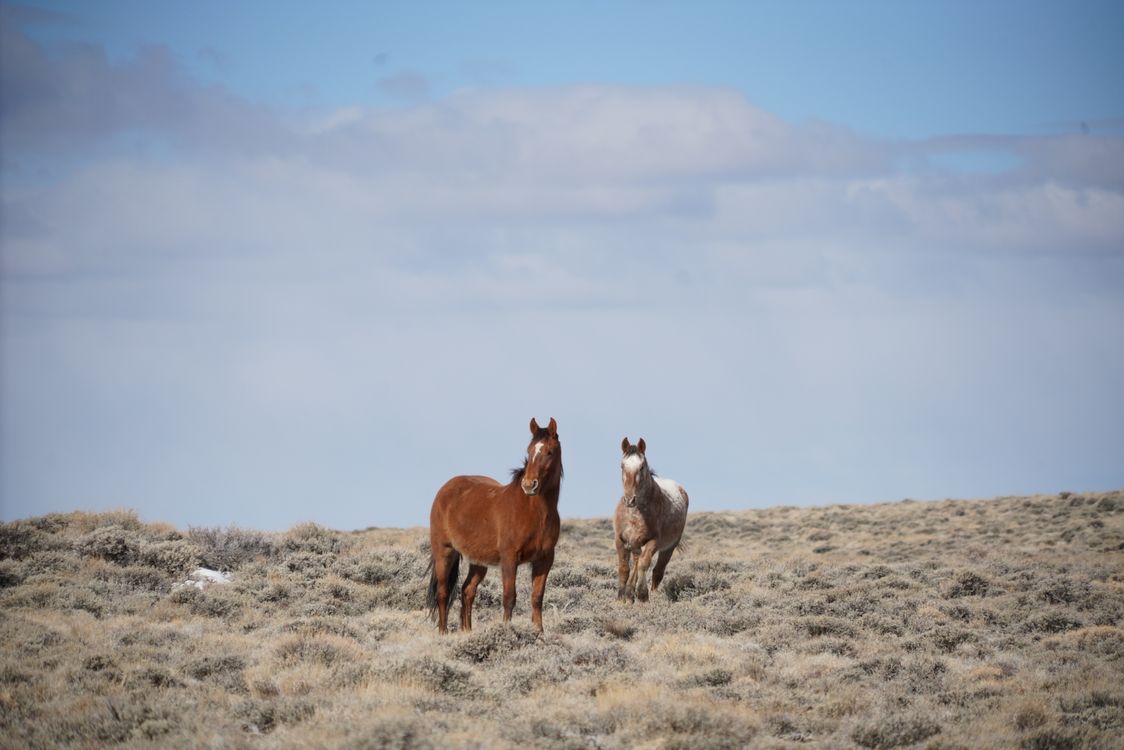
Photo: Frida Oquendo / Pexels.
Coming home after seven years away
If Easy Rider made Peter Fonda a symbol of the open road, The Hired Hand, his debut as a director, showed what happens when the road finally leads home. Fonda plays Harry Collings, a man who left his wife Hannah and their young daughter years earlier to ride with his friend Arch and to live the wandering life of a hired hand. When Arch is killed, Harry turns back, not out of triumph but out of a quiet, accumulated sense of responsibility. He returns to the farm he abandoned, to a wife who has learned to live without him, and to a daughter who barely knows him, and he tries, awkwardly and honestly, to become part of a household again.
The film is a western, but it refuses almost every convention of the genre as it was understood in 1971. There are gunfights, but they are brief and ugly rather than heroic. There is a landscape, beautifully photographed in New Mexico, but it is a working landscape of fences, irrigation ditches, dust and chores, not a backdrop for myth. The camera lingers on hands, on bread being baked, on water being carried, on the small, repetitive labour that makes a farm and a marriage function. Fonda, directing for the first time, trusted that attention to ordinary work would be more revealing than spectacle, and he was right. The Hired Hand feels less like a western and more like a film about a man learning, late, how to stay in one place.
Harry is a difficult character to like at first, and Fonda does not soften him. He left his family, he kept moving, and he returns expecting, if not forgiveness, then at least a place at the table. Hannah, played with great strength by Verna Bloom, does not give him that place easily. She has built a life, she has kept the farm going, and she is not willing to pretend that seven years can be undone by an apology. Their relationship develops slowly, through shared work and shared silence rather than through speeches, and Fonda films it with a patience that was rare in American cinema at the time. Harry must earn his way back, day by day, chore by chore, and the audience must watch him do it without the reassurance of a conventional romance.
A western about work and regret
The Hired Hand is structured around that slow earning. Harry takes a job on his own farm, effectively as a hired hand in his own home, a neat irony that gives the film its title. He mends fences, he works the land, and he gradually becomes useful to Hannah and to his daughter, not as a returning hero but as a man who can be relied upon. The film’s most memorable scenes are not confrontations but moments of domestic life: a meal eaten in silence, a child watching a stranger who is also her father, a couple learning again how to be in the same room. Fonda’s direction is lyrical without being sentimental. He lets the light, the wind and the sound of work carry emotion that dialogue would only flatten.
Violence, when it comes, is treated as an interruption rather than a climax. Harry’s past catches up with him in the form of men who want revenge for an old killing, and the film does not celebrate his ability to defend himself. The final gunfight is filmed in a flat, almost documentary style, and its cost is made plain. Harry’s return home has been hard won, and the film suggests that violence, even in self-defence, threatens everything he has rebuilt. It is a mature, even weary view of the western hero, far removed from the swagger of earlier westerns, and it anticipates the revisionist westerns that would become more common later in the decade.
When The Hired Hand was released in 1971, audiences and distributors did not know what to do with it. It was marketed as another Fonda biker-western, which it was not, and it failed commercially. Universal even recut it, removing scenes that Fonda considered essential. For years it was difficult to see in its full form, and Fonda spoke of it as a disappointment. That judgement has been reversed by time. A restored version, shown at film festivals in the early 2000s, revealed a film of remarkable beauty and coherence, and critics now regard The Hired Hand as one of the finest American westerns of its period, and as Fonda’s most personal achievement as a director.
Why it endures
The Hired Hand endures because it is about something that does not age: the difficulty of returning. Many people have left a home, a marriage or a life, and many have tried to come back, only to find that home has moved on without them. Harry Collings is not a hero in the usual sense. He is a man who made a selfish choice, lived with it, and then tried, without grand gestures, to make amends. Fonda’s performance is central to that effect. He plays Harry with a minimum of expression, letting his eyes and his hands do the work, and he directs himself with the same restraint. There is no moment when Harry explains himself to the audience, and that refusal to explain makes him more believable, not less.
For fans of Past Tunes, The Hired Hand is also a reminder of how closely film and music were linked in the early 1970s. The film’s score, by Bruce Langhorne, is gentle and acoustic, built around guitar figures that sound like work songs and lullabies rather than orchestral themes. It creates a mood of quiet reflection that matches Fonda’s direction perfectly, and it helps to explain why the film feels so different from the rock-driven energy of Easy Rider. Fonda was not repeating himself. He was growing up, on screen and behind the camera, and The Hired Hand is the clearest evidence of that growth.
If Easy Rider asked what freedom costs, The Hired Hand asks what home costs, and whether a man who has spent years running can learn to stay. Fonda’s answer is tentative but hopeful: not through speeches or gunfights, but through work, patience and the willingness to be useful to the people he once left behind. It is a quiet film, and it rewards quiet attention. Watch it for its landscapes, for its domestic scenes, and for Fonda’s performance as a man who has finally stopped riding long enough to listen.