Carole King / Classic Albums
Rhymes & Reasons: Small Shifts, Deeper Colours
A quieter album route into King’s early-1970s work.
The record in context
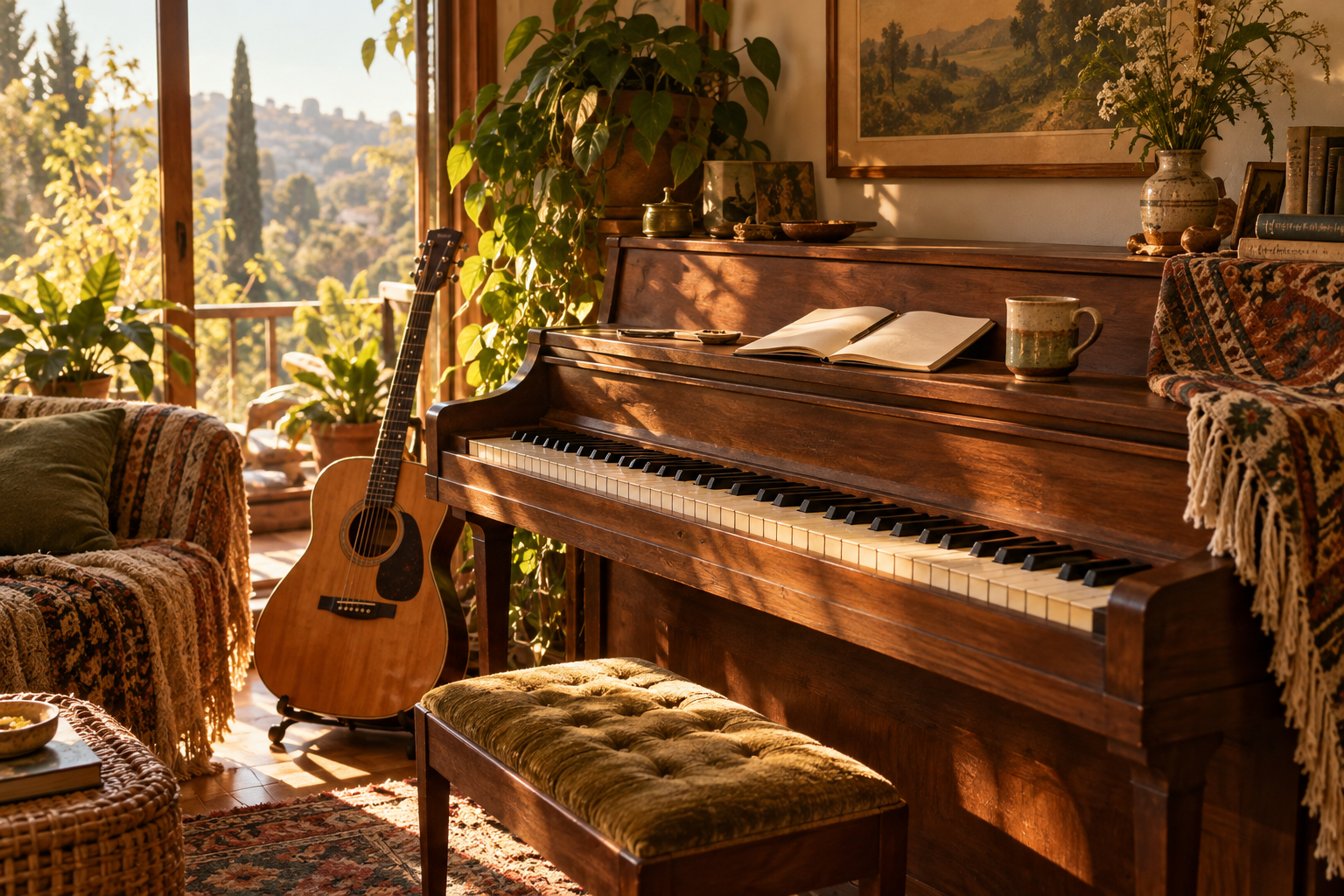
King’s official discography gives Rhymes & Reasons a 1972 release date. The credits include piano, clavinet, Fender Rhodes and Wurlitzer organ, alongside guitars, percussion, horns and strings.
Listen closely
A collection of keyboard colours can sound like a technical detail until you listen for their emotional effect. A softer edge can make a phrase feel reflective; a sharper attack can bring a line into focus. The interest is not in treating the album as an equipment list, but in hearing how texture supports the songwriting.
Try approaching the songs without expecting every one to announce itself immediately. Some records make their strongest impression through accumulation. A change of pace or a new instrumental shade becomes more meaningful because of the track that preceded it. The album offers a setting for those smaller shifts.
This is also a useful moment to separate familiarity from value. A less frequently encountered title can make you listen more actively, without the ready-made associations attached to a standard. Give the vocal and accompaniment equal attention and let the song establish its own emotional proportions.
Release and recording reference ↗
Release context is sourced above. Listening observations are Past Tunes’ original interpretation, not quotations from the artist.
More from Carole King
Piano, voice and sequencing turn familiar songs into a shared room.
1971 / Classic AlbumsMusic: The Conversation ContinuesThe other 1971 album deserves its own listening space.
1973 / Classic AlbumsFantasy: Hearing the Album as a WholeThe sequence invites a longer, more connected listen.
1974 / Classic AlbumsWrap Around Joy: Familiar Warmth, a Broader FrameJazzman sits within a record full of changing colours.