Patsy Cline / Behind the Songs
Back in Baby’s Arms: Tenderness at Full Strength
No heartbreak, no drama — just the gentlest record of her final year, and proof of how much range she had left.

The record in context
“Back in Baby’s Arms,” written by Bob Montgomery, was recorded by Patsy Cline in 1963 and released as a single that year — one of the last records issued during her lifetime. After the towering heartbreak ballads that defined her Nashville Sound period, this was something different: a tender, uncomplicated love song, sung with warmth rather than ache.
Its placement in her catalog is poignant. The great balladeer of sorrow, in her final months, was recording songs about being held, not about being left. Whether that reflects a personal contentment or simply the luck of the material, the record stands as a reminder that Cline’s artistry was never limited to tears — she could do joy, too, and make it just as convincing.
Listen closely
The first thing you notice is the softness. Cline enters the song the way you’d enter a quiet room — no dramatic swell, no held-back tears, just a voice settling into a melody like it’s a familiar chair. The lyric is simple almost to the point of plainness: being back in a lover’s arms is where she belongs. And Cline sings it with a directness that would be unremarkable in a lesser singer and is quietly astonishing in her, because we know what that voice can do when it’s breaking — and here it simply isn’t breaking.
Listen to the chorus. The phrase “back in baby’s arms” could easily become saccharine; in Cline’s delivery it becomes something closer to relief. There’s a slight lift on “baby’s,” a warmth in the vibrato, that suggests genuine contentment rather than performance. Owen Bradley’s arrangement matches her mood — gentle guitar, soft background vocals, none of the dramatic string swells of “Sweet Dreams.” Everything is scaled to intimacy.
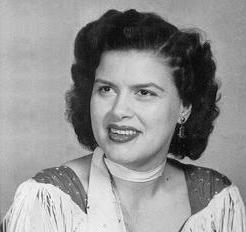
What makes this record quietly important is what it implies about the road not taken. Cline’s legacy is built on heartbreak, but “Back in Baby’s Arms” hints at the artist she might have become in a longer career: an interpreter of the full emotional spectrum, not just its shadows. The Nashville Sound years gave her sorrow to sing because sorrow sold; this single suggests she had tenderness in equal measure, waiting for its turn.
Play it last in this collection, as we’ve placed it — after the posthumous farewells and the final-session elegies — and it lands like a benediction. Not a goodbye, but a moment of peace: the voice at rest, held, home. It’s the gentlest possible ending to a story that ended too soon, and perhaps the most hopeful three minutes in her catalog.
Artist biography and discography reference ↗
Release context is sourced above. Listening observations are Past Tunes’ original interpretation, not quotations from the artist.
More from Patsy Cline
A reluctant recording, a TV talent show, and the accident that made her a star.
1957 / Behind the SongsA Poor Man’s Roses: The Song She Chose Over the HitThe B-side she actually wanted to sing — and the tug-of-war behind it.
1961 / Behind the SongsI Fall to Pieces: The Hit She Almost RefusedShe didn’t want the song. Then it became her first No. 1.
1961 / Behind the SongsCrazy: The One-Take Vocal She Recorded on CrutchesBroken ribs, a borrowed Willie Nelson demo, and one perfect take.
1962 / Behind the SongsShe’s Got You: Heartbreak Worn Like Evening WearHank Cochran’s song of dignified jealousy, sung without a crack.
1962 / Behind the SongsSo Wrong: The Uptempo HeartbreakProof she could swing a sad song without slowing it down.
1963 / Behind the SongsSweet Dreams: Twenty-Eight Days Before the EndHer final session produced the elegy she never heard on the radio.
1963 / Behind the SongsFaded Love: Borrowing a Western Swing StandardA Bob Wills classic, remade in the Nashville Sound image.
1963 / Behind the SongsLeavin’ on Your Mind: The Posthumous GoodbyeReleased after her death, a farewell she didn’t know she was singing.