Patsy Cline / Behind the Songs
So Wrong: The Uptempo Heartbreak
Who says you can’t cry at dance tempo? Patsy Cline proves you can — and makes it swing.
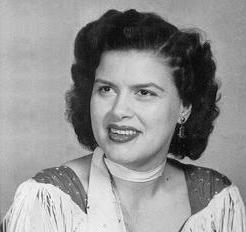
The record in context
By 1962, Patsy Cline had become known as country’s great balladeer of heartbreak — “I Fall to Pieces,” “Crazy,” “She’s Got You” had fixed her in the public mind as a singer of slow, stately sorrow. “So Wrong,” released as a single in 1962, was a reminder that the balladeer could move. An uptempo number about a love gone wrong, it reached the country Top 10, proving that Cline’s interpretive power wasn’t dependent on a slow tempo and strings.
The song mattered for another reason: it showed the range that her Nashville Sound records sometimes obscured. Before the ballads, Cline had been a honky-tonk singer who could belt with a band; “So Wrong” reconnected her with that rhythmic, barroom side. It was the sound of an artist refusing to be filed under a single mood.
Listen closely
The tempo is the first surprise — a bright, bouncing rhythm that feels almost cheerful until you catch the lyric. Cline sings about betrayal and bad timing with a lilt in her voice, and the contrast is the whole point: this is heartbreak you can dance to, or at least tap your foot to while wincing. Listen to how she rides the beat, slightly ahead of it in the verses, like someone trying to outrun a thought.
The vocal technique on display here is different from the ballads. Where “Crazy” is all breath control and long lines, “So Wrong” is about attack — crisp consonants, punched phrases, a chorus she delivers with a grin you can hear. It’s the sound of a singer having fun with a sad song, and it reveals something the ballads hide: Cline’s sense of rhythm was superb. She’d grown up singing in dance halls and on radio shows where you kept the floor moving; that muscle memory never left her.

Pay attention to the bridge, where the band drops back and Cline gets a few bars of near-a-cappella space. Even at speed, she can’t resist a moment of pure vocal display — a run, a held note, a reminder that the power is always there under the swing. Then the band crashes back in and the dance resumes. It’s a masterclass in dynamics disguised as a throwaway single.
“So Wrong” never became one of her signature songs — the ballads overshadowed it, as they overshadowed everything. But for listeners who only know the torch singer, it’s a necessary correction: Patsy Cline could do it all, fast or slow, crying or laughing through the tears. The uptempo heartbreak is its own art form, and she was one of its great practitioners.
Artist biography and discography reference ↗
Release context is sourced above. Listening observations are Past Tunes’ original interpretation, not quotations from the artist.
More from Patsy Cline
A reluctant recording, a TV talent show, and the accident that made her a star.
1957 / Behind the SongsA Poor Man’s Roses: The Song She Chose Over the HitThe B-side she actually wanted to sing — and the tug-of-war behind it.
1961 / Behind the SongsI Fall to Pieces: The Hit She Almost RefusedShe didn’t want the song. Then it became her first No. 1.
1961 / Behind the SongsCrazy: The One-Take Vocal She Recorded on CrutchesBroken ribs, a borrowed Willie Nelson demo, and one perfect take.
1962 / Behind the SongsShe’s Got You: Heartbreak Worn Like Evening WearHank Cochran’s song of dignified jealousy, sung without a crack.
1963 / Behind the SongsSweet Dreams: Twenty-Eight Days Before the EndHer final session produced the elegy she never heard on the radio.
1963 / Behind the SongsFaded Love: Borrowing a Western Swing StandardA Bob Wills classic, remade in the Nashville Sound image.
1963 / Behind the SongsLeavin’ on Your Mind: The Posthumous GoodbyeReleased after her death, a farewell she didn’t know she was singing.
1963 / Behind the SongsBack in Baby’s Arms: Tenderness at Full StrengthThe gentlest record of her final year — no heartbreak required.