Bobby Darin / Behind the Songs
Dream Lover: The Song That Bought Him His Freedom
A self-written ballad with a Latin heartbeat — and the hit that let him call his own shots.
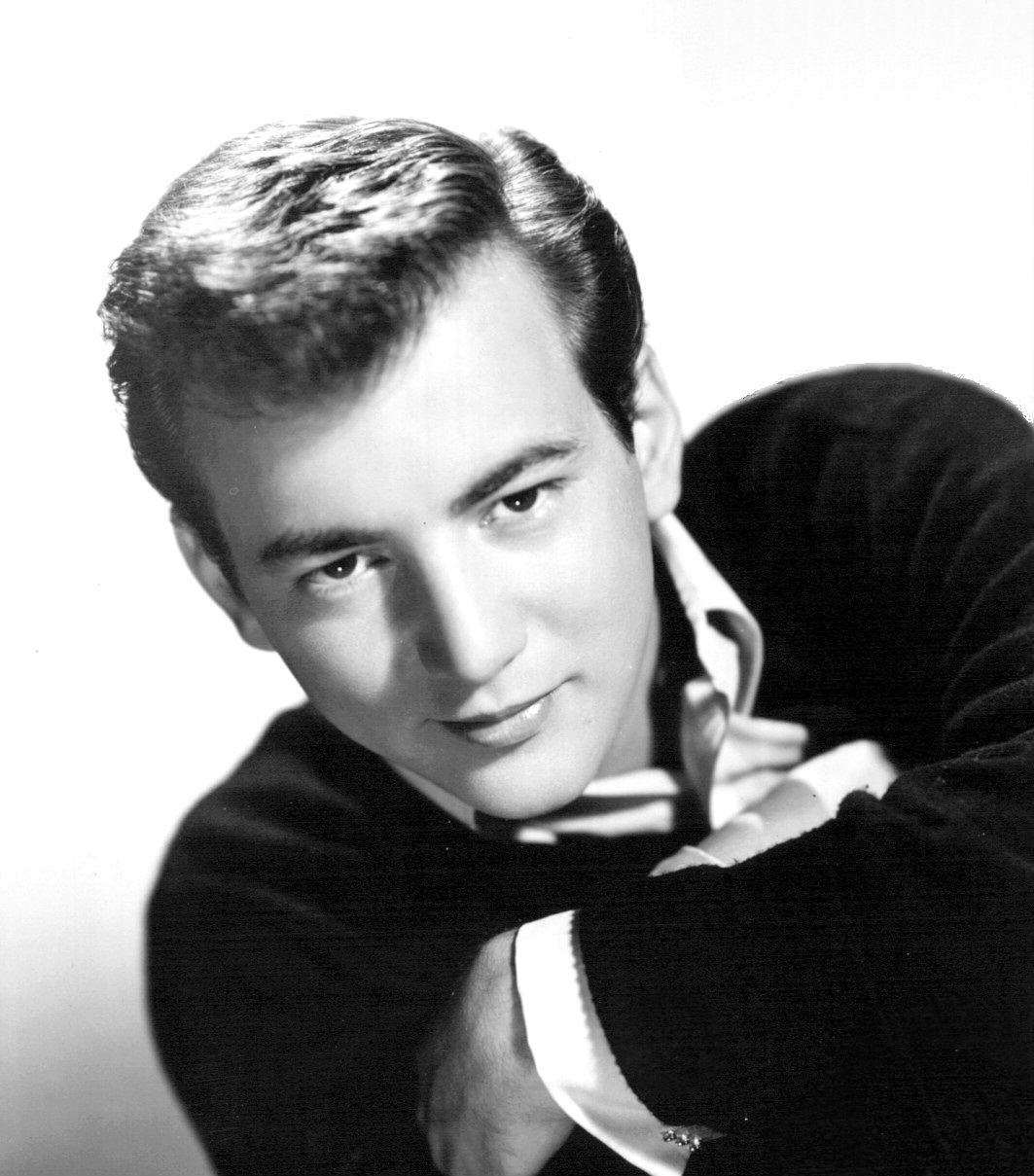
The record in context
By early 1959, Bobby Darin was a rock-and-roll success — and a rock-and-roll prisoner. “Splish Splash” and “Queen of the Hop” had made him famous, and the industry wanted him to keep making them forever: more novelty, more sax, more of the same. Darin had other plans. He wrote “Dream Lover” himself, in March 1959, and it was nothing like the bath-time rocker that had started it all. It was a dreamy, self-penned ballad with a Latin- and calypso-flavoured lilt — romantic, rhythmic and grown-up.
The public loved it even more than the novelties. “Dream Lover” reached number two in the United States, held number one in Britain for four weeks, and sold over a million copies. But the real victory was not on the charts; it was in the contract. A self-written million-seller gives a young artist something no producer can hand him: leverage. “Dream Lover” bought Bobby Darin his creative freedom. It was the hit that allowed him to walk into the label and say: now I make the records I want. And the first thing he wanted to make was a full album of standards — the record that would change everything.
The British success mattered enormously. Four weeks at number one in the UK made Darin an international star, not just an American one — and it proved that his appeal travelled beyond the rock-and-roll teen market. The song’s Latin lilt gave it an exotic shimmer that felt worldly and modern in 1959. With two million-selling self-written singles to his name, Darin walked into his label with a bargaining chip few twenty-two-year-olds possessed. The standards album he had already recorded late in 1958 — “That’s All” — was waiting in the vaults. “Dream Lover” was the key that would unlock it.
Listen closely
Start with the rhythm, because it is the most surprising thing about the record. This is not a straight rock-and-roll beat. Listen for the gentle Latin sway underneath the vocal — the lilt that gives the song its tropical, moonlit feeling. It is 1959, and here is a rock star putting a cha-cha heartbeat under a pop ballad. The effect is subtle but transformative: the whole record sways instead of stomping, and Darin’s voice floats over it rather than fighting through it.
Then listen to what that freedom does to the singing. On “Dream Lover,” Darin is not shouting over a band or racing a beat. He is tender. Listen for the softness at the edges of the vocal — the way he almost whispers some lines, the way the melody rises and falls like breathing. This is the first record where you hear the singer he would become: not the novelty kid, but the interpreter, the romantic, the future king of the standards. Notice how much space there is in the arrangement. The silences do as much work as the notes. That restraint is the sound of a young man proving he can hold a room without raising his voice.
Listen also for the vocal’s hidden sophistication. Beneath the dreamy surface, Darin is doing something technically remarkable: he keeps the long, floating melody perfectly in tune while the rhythm sways underneath him, never pulling him off course. Notice the breath control on the longer lines — the phrases that seem to float without effort. And listen for the tiny hesitations before certain words, the micro-pauses that make the lyric feel like a real daydream rather than a script. This is a singer who has learned that romance is in the restraint: the less he pushes, the more you lean in.

Finally, listen for the songwriting. Darin wrote this himself — melody and lyric — and it holds up as a pure pop construction. The chorus is a daydream set to music: simple, repetitive, impossible to forget. Listen for how the title phrase lands, over and over, each time feeling like the natural answer to the verse. It is the kind of song that sounds inevitable, as if it always existed and he just found it. That is the mark of a real songwriter. And it was this record — this song, this success — that gave him the power to take the biggest risk of his young life: the standards album “That’s All,” recorded late in 1958, that the public had not yet heard. “Dream Lover” paid for his courage. Listen to it again with that in mind, and you can hear a man spending his freedom before he has even finished earning it.
Release and recording reference ↗
Release context is sourced above. Listening observations are Past Tunes’ original interpretation, not quotations from the artist.
More from Bobby Darin
A dare, a bath line from a DJ’s mother, and a fifteen-minute miracle.
1958 / Behind the SongsQueen of the Hop: Proving the First Hit Wasn’t LuckThe high-pressure second single that kept the rock dream alive.
1959 / Behind the SongsMack the Knife: The Song He Didn’t Want to ReleaseThe nine-week number one that made him a Grammy winner overnight.
1960 / Behind the SongsBeyond the Sea: Sailing After the Biggest Hit of 1959How you follow the best-selling record of the year: with style.
1960 / Behind the SongsClementine: A Folk Song, a Novelty Record, a HitThe playful folk novelty that showed he never took himself too seriously.
1962 / Behind the SongsThings: The Bossa-Nova Heartbreak He Wrote HimselfThe self-penned heartbreak with a swaying Latin pulse.
1963 / Behind the SongsYou’re the Reason I’m Living: The Country TurnThe country ballad that revealed his Nashville heart.
1966 / Behind the SongsIf I Were a Carpenter: The 1966 ReinventionTuxedo off, denim on — the folk-rock rebirth of Bobby Darin.
1969 / Behind the SongsSimple Song of Freedom: The Protest YearsWhen the showman became a voice of conscience.