Bobby Darin / Behind the Songs
If I Were a Carpenter: The 1966 Reinvention
Tuxedo off, denim on — the nightclub king becomes a folk-rock singer, and it works.

The record in context
By 1966, Bobby Darin had a problem most singers would envy: he was too successful at the wrong thing. The nightclub tuxedo, the big band, the finger-snapping standards — it had made him a star, but the world had moved on. Rock had grown up into folk-rock, the Beatles and Dylan had rewritten the rules, and the Vegas circuit was starting to look like a museum. Darin, who had always lived as if time were short, did what he always did: he changed everything.
He cut Tim Hardin’s “If I Were a Carpenter” — a tender, plainspoken folk song about a working man asking whether love could survive poverty — and released it as a folk-rock single. It reached number eight on the American chart. The transformation was total: the tuxedo was gone, the orchestra was gone, the showman was gone. In their place was a denim-clad singer with an acoustic guitar, singing about ordinary life in an ordinary voice. It was the boldest reinvention of his career — bolder, in its way, than the jump from rock to standards — and the public bought it completely.
Tim Hardin was the perfect songwriter for Darin’s reinvention. Hardin’s own work combined folk plainness with a songwriter’s craft, and Darin recognised a kindred spirit: another young man writing about ordinary life with extraordinary care. The folk-rock moment was crowded with new voices, but Darin brought something none of them had: a decade of professional polish, now deliberately set aside. He was not a folk singer discovering technique; he was a master technician discovering honesty. That reversal is what makes the record so compelling.
Listen closely
Start with the sound of the voice, because it is almost unrecognisable. The polished, projecting nightclub instrument of “Mack the Knife” has been deliberately put away. Listen for the new plainness: Darin sings “If I Were a Carpenter” in a lower, rougher, more conversational tone, as if he is talking to you across a kitchen table. Notice what he leaves out — no vocal fireworks, no showman’s flourishes, no held notes for applause. The restraint is the statement. He is telling you: I am not that singer anymore. Listen for the honesty in the simplicity; it takes more courage to sing plainly than to sing prettily, and you can hear him choosing courage.
Then listen to the arrangement, because the band has been reinvented too. The big brass is gone; in its place are guitars, a folk-rock pulse, the sound of 1966. Listen for how spare it all is — the spaces between the instruments, the way the acoustic guitar carries the song the way an orchestra used to. Notice how the production refuses to dress the song up. Hardin’s lyric is about a carpenter, a working man, and the record sounds like it was made by working musicians: no glamour, no shine, just the song. That was the point. Darin had spent years being the most elegant man in the room; now he wanted to be the most honest one.
Listen for the risk in the quiet verses. There are moments where Darin’s voice is nearly a whisper — and in 1966, for a singer famous for filling nightclubs with his roar, that whisper was a gamble. Notice how exposed he sounds: no brass to hide behind, no orchestra to carry him, just the words and the guitar. If the audience had laughed, it would have been over. Listen for the courage it takes to be that unguarded on a record meant for the radio. The whisper holds. The song holds. And a whole new career begins in the space between the notes.
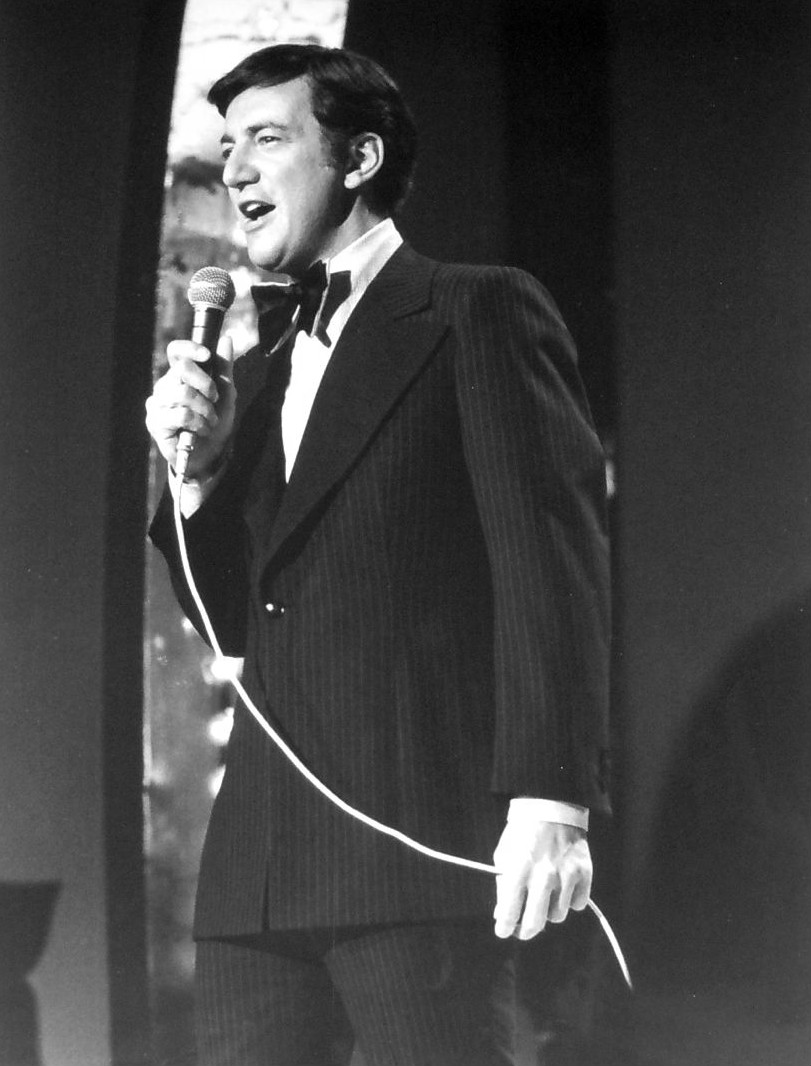
Finally, listen for what the record cost him — and what it won him. He walked away from a guaranteed nightclub fortune to sing folk songs to a younger audience that had every reason to dismiss him as a square. Listen for the risk in every plain phrase: this is a man betting his career on sincerity. And it worked. “If I Were a Carpenter” did not just give him a hit; it gave him a third act, a new identity, a way forward into the protest years. Listen to the last verse and hear a singer who has finally stopped performing and started speaking. The tuxedo is in the closet. The man in denim is telling the truth. It is one of the bravest records of his life.
Release and recording reference ↗
Release context is sourced above. Listening observations are Past Tunes’ original interpretation, not quotations from the artist.
More from Bobby Darin
A dare, a bath line from a DJ’s mother, and a fifteen-minute miracle.
1958 / Behind the SongsQueen of the Hop: Proving the First Hit Wasn’t LuckThe high-pressure second single that kept the rock dream alive.
1959 / Behind the SongsDream Lover: The Song That Bought Him His FreedomThe million-seller that won him creative control.
1959 / Behind the SongsMack the Knife: The Song He Didn’t Want to ReleaseThe nine-week number one that made him a Grammy winner overnight.
1960 / Behind the SongsBeyond the Sea: Sailing After the Biggest Hit of 1959How you follow the best-selling record of the year: with style.
1960 / Behind the SongsClementine: A Folk Song, a Novelty Record, a HitThe playful folk novelty that showed he never took himself too seriously.
1962 / Behind the SongsThings: The Bossa-Nova Heartbreak He Wrote HimselfThe self-penned heartbreak with a swaying Latin pulse.
1963 / Behind the SongsYou’re the Reason I’m Living: The Country TurnThe country ballad that revealed his Nashville heart.
1969 / Behind the SongsSimple Song of Freedom: The Protest YearsWhen the showman became a voice of conscience.