Sam Cooke / Behind the Songs
A Change Is Gonna Come: The Song He Almost Didn’t Live to See
Recorded in January, released in December: the anthem and the arrangement.
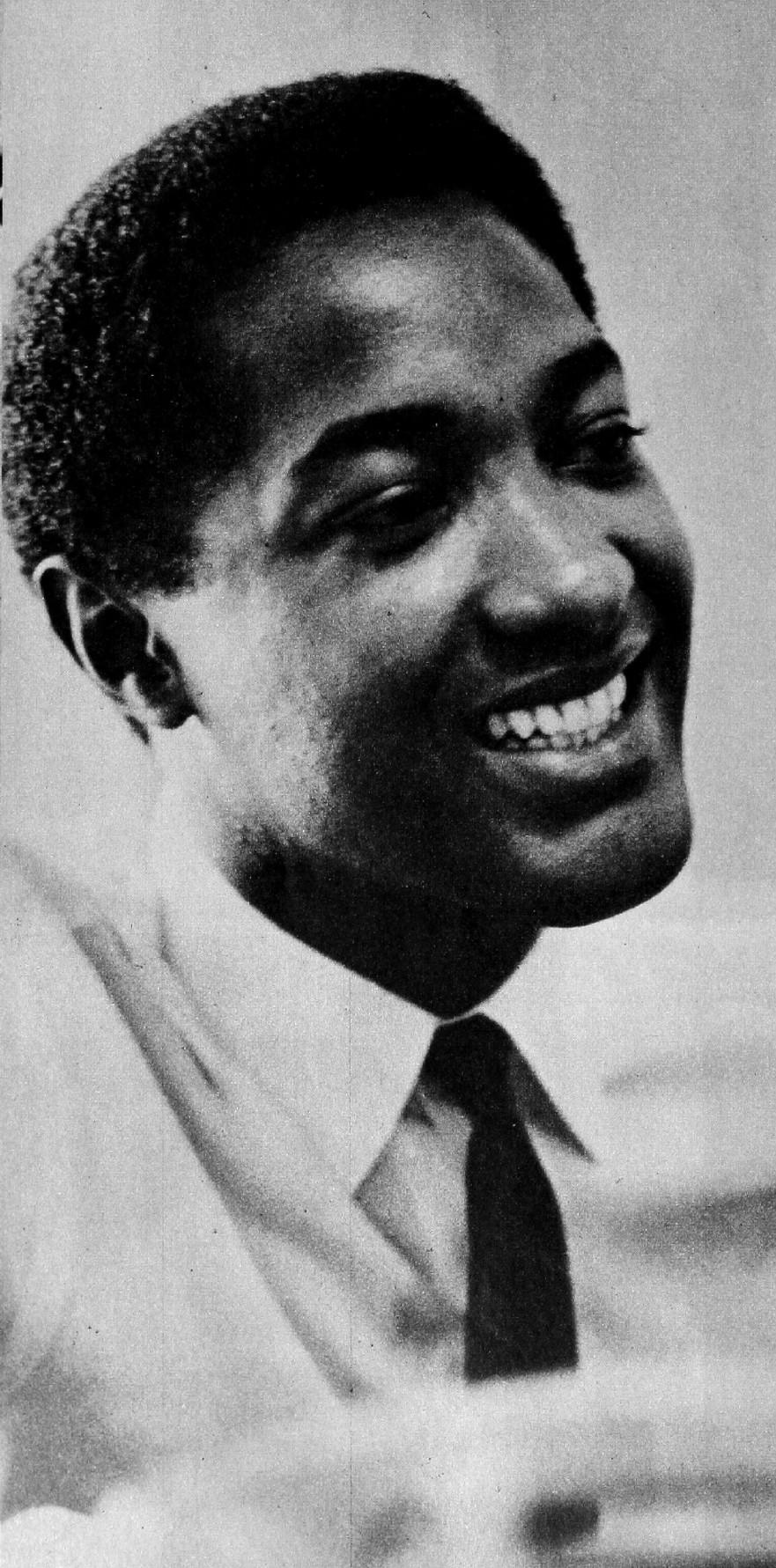
The record in context
Sam Cooke wrote “A Change Is Gonna Come” in 1963, partly in answer to Bob Dylan’s “Blowin’ in the Wind” — a challenge to write something that spoke to the moment with the same directness. He recorded it on January 30, 1964, at RCA Studios in Hollywood, and the session was unlike any he had done before. He handed the song to his arranger, René Hall, with no instructions except to give it the orchestration it demanded — the first time Hall had been granted complete control. Hall responded as if scoring a film: lush, symphonic strings, a melancholy French horn, dramatic timpani.
The recording appeared on the album Ain’t That Good News in February 1964, but Cooke held it back as a single — he reportedly found its mood unusually dark. It was finally released on December 22, 1964, as the B-side of “Shake,” eleven days after his death. The anthem of the civil rights movement arrived as a postscript to its author’s life.
Its afterlife is well known: adopted by the movement, preserved in the Library of Congress’s National Recording Registry, covered by generations. What matters for the listener is that none of that was guaranteed on January 30, 1964. In the studio that day, it was just a singer, an orchestra, and a song he wasn’t sure the world was ready for. Consider, too, the courage of the non-release — Cooke sensed the song’s weight and hesitated, keeping it off the singles schedule for nearly a year. He worried it was too dark, too serious for the pop audience he had so carefully built. History has answered that worry: the audience was ready, and the song’s gravity is exactly what has kept it alive while lighter hits faded. The artist’s doubt and the song’s certainty make a poignant pair.
Listen closely
The arrangement is built in movements — strings carry the first verse, horns the second, timpani the bridge — and each verse is a different emotional climate. Listen to how the orchestra doesn’t accompany Cooke so much as narrate alongside him: the strings state the sorrow before he sings a word, the French horn answers his phrases with a melancholy he doesn’t have to supply himself.

Cooke’s vocal is the most exposed he ever recorded. The gospel ornament is still there, but it’s been disciplined into something closer to testimony — every run of notes feels earned, every held note feels like it’s costing him something. Listen to the bridge: “It’s been a long, a long time coming.” The weariness in that line isn’t performed; it’s inhabited. This is a man singing about a lifetime of waiting in a voice that sounds like it has done the waiting.
And then the final verse, the turn toward hope — “I know a change gonna come, oh yes it will.” The orchestra swells, the voice opens, and for the first time in the record, the future tense feels like a promise rather than a prayer. Cooke never lived to see the change. The record makes sure we hear him believing in it anyway.
Recording and recording-session reference ↗
Release context is sourced above. Listening observations are Past Tunes’ original interpretation, not quotations from the artist.
More from Sam Cooke
A flipped-over single carried gospel phrasing into the pop charts.
1960 / Behind the SongsWonderful World: The Textbook He Never FinishedA vault release, a pseudonym, and the sweetest shrug in pop.
1960 / Behind the SongsChain Gang: The Work Song Reimagined as PopA field holler became a singalong.
1961 / Behind the SongsCupid: The Arrow That Missed No OnePizzicato strings and the most patient bridge in early soul.
1962 / Behind the SongsTwistin’ the Night Away: Riding the Twist CrazeA fad record that outlasted the fad.
1962 / Behind the SongsHaving a Party: The Invitation That Never ExpiresThe original was already perfect.
1962 / Behind the SongsBring It On Home to Me: The Lou Rawls Call-and-ResponseTwo friends, one microphone.
1963 / Behind the SongsAnother Saturday Night: The Loneliest Party Song EverAn upbeat groove about being gloriously alone.
1964 / Behind the SongsShake: The Last DanceThe final single — a horn-driven rave-up.