Sam Cooke / Behind the Songs
Another Saturday Night: The Loneliest Party Song Ever
An upbeat groove about being gloriously, miserably alone.
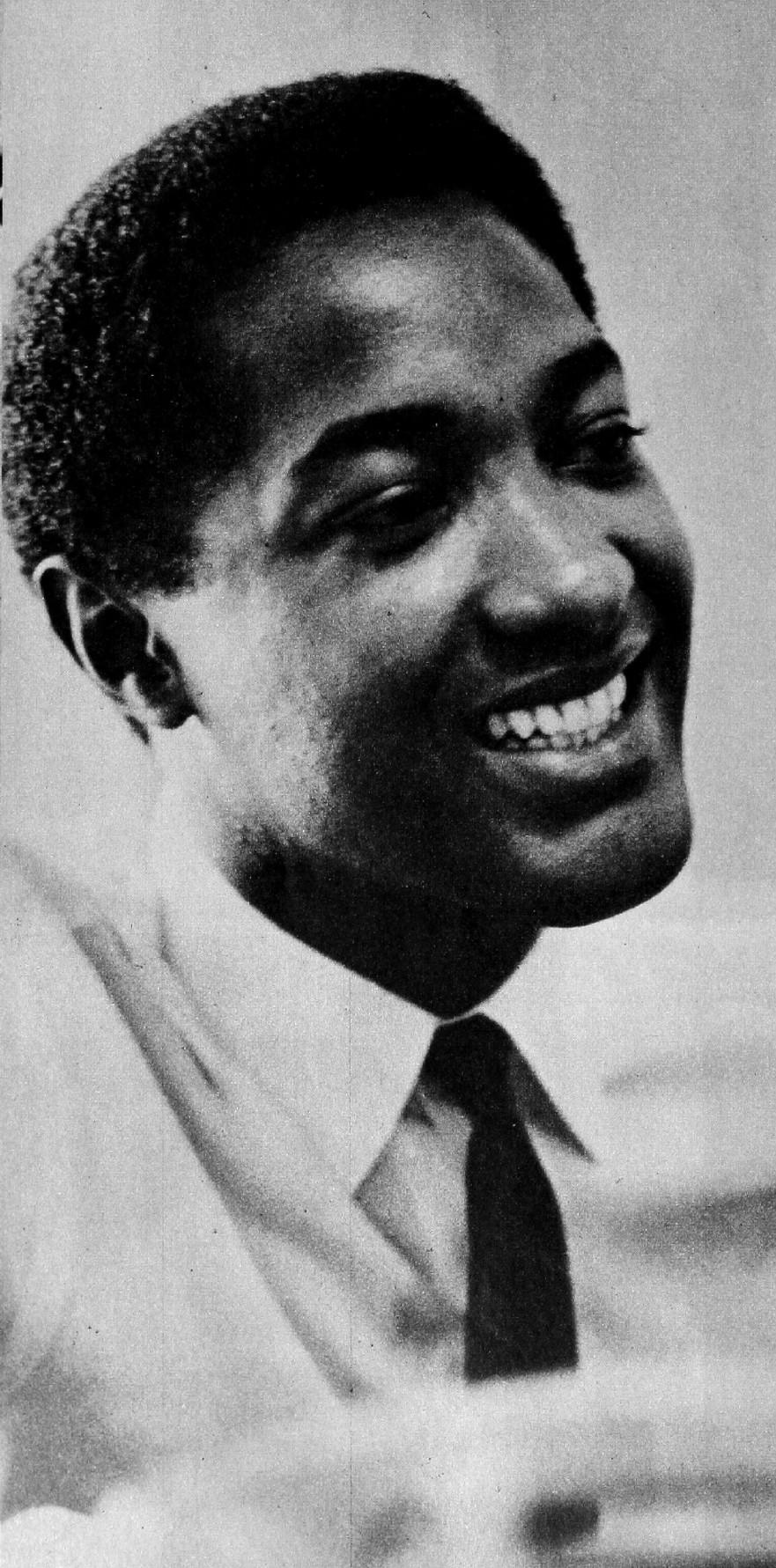
The record in context
“Another Saturday Night” was written on the road — Cooke, far from home, with an evening to kill and nobody to spend it with — and released in 1963, reaching the Top 10. The premise is a small masterpiece of comic despair: it’s Saturday night, the whole world is out having fun, and the singer has “no one to talk to,” money in his pocket, and nowhere to go. The joke is that he tells you this over one of the bounciest grooves he ever recorded.
The song belongs to a great pop tradition: the sad lyric in a happy frame. But Cooke’s version has a particular sting because the cheerfulness never wavers. There’s no bridge where the mask slips, no minor-key confession. The loneliness is total precisely because the music refuses to acknowledge it — which is exactly how loneliness feels on a Saturday night when everyone else seems to be laughing.
It’s also a songwriter’s clinic in specificity. The details — the money, the empty evening, the phone that doesn’t ring — make the feeling concrete instead of abstract. You don’t just understand his Saturday night; you’ve lived it. Cat Stevens would later cover the song, slowing it down and finding the ache underneath the bounce — proof that the composition holds up at any tempo. But Cooke’s original remains definitive precisely because of the tension Stevens removed. The upbeat arrangement isn’t a disguise for the sadness; it’s the other half of it. Saturday night is supposed to be fun. That’s what makes being alone on one so particular a kind of grief.
Listen closely
The groove is the first lie the record tells you.
Start with the guitar figure that opens the song — bright, syncopated, instantly danceable. It’s the sound of a good time, and it never lets up. That rolling, calypso-tinted rhythm says “party” so convincingly that you can listen three times before the lyric’s meaning catches up with you. When it does, the song transforms: the same bounce that felt celebratory starts to feel like whistling past a graveyard.

Listen to Cooke’s phrasing against that groove. He sings the complaints with the same lilt he uses for the good times — “another Saturday night and I ain’t got nobody” lands as lightly as a party invitation. The lightness is the point. He’s not asking for pity; he’s reporting from the scene with a reporter’s shrug. The gospel melisma appears, but sparingly, as if even his vocal flourishes have nowhere to go.
The ending is the cruelest joke of all: the groove just keeps rolling, the night just keeps going, and Cooke is still alone in it. The record fades the way Saturday nights do — not with a conclusion, but with the slow realization that nothing is going to happen.
Release and recording reference ↗
Release context is sourced above. Listening observations are Past Tunes’ original interpretation, not quotations from the artist.
More from Sam Cooke
A flipped-over single carried gospel phrasing into the pop charts.
1960 / Behind the SongsWonderful World: The Textbook He Never FinishedA vault release, a pseudonym, and the sweetest shrug in pop.
1960 / Behind the SongsChain Gang: The Work Song Reimagined as PopA field holler became a singalong.
1961 / Behind the SongsCupid: The Arrow That Missed No OnePizzicato strings and the most patient bridge in early soul.
1962 / Behind the SongsTwistin’ the Night Away: Riding the Twist CrazeA fad record that outlasted the fad.
1962 / Behind the SongsHaving a Party: The Invitation That Never ExpiresThe original was already perfect.
1962 / Behind the SongsBring It On Home to Me: The Lou Rawls Call-and-ResponseTwo friends, one microphone.
1964 / Behind the SongsShake: The Last DanceThe final single — a horn-driven rave-up.
1964 / Behind the SongsA Change Is Gonna Come: The Song He Almost Didn’t Live to SeeThe anthem and the arrangement.