Sam Cooke / Behind the Songs
Wonderful World: The Textbook He Never Finished
A vault release, a pseudonym, and the sweetest shrug in pop history.
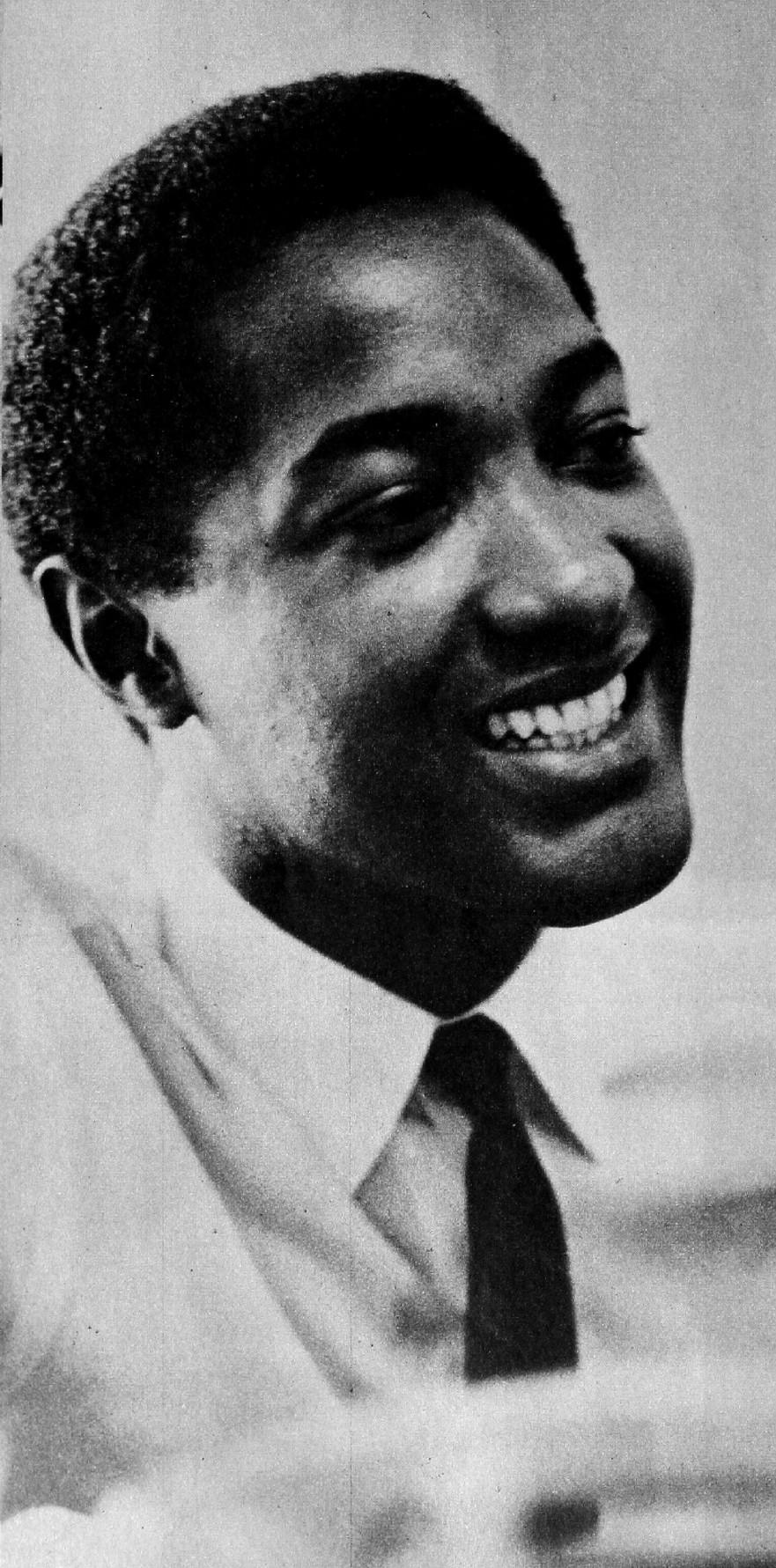
The record in context
“Wonderful World” was recorded on March 2, 1959, at Sam Cooke’s final session for Keen Records — and then it sat in a vault for over a year. When Cooke jumped to RCA Victor in early 1960, his old label dug through its archives and released the track as a single on April 14, 1960, partly to compete with his new material. It reached number 12 on the pop chart and number 2 on the R&B chart: a hit born of a record-company rivalry.
The songwriting story is just as tangled. The song was composed chiefly by two young Los Angeles songwriters, Lou Adler and Herb Alpert — years before Adler became a legendary producer and Alpert co-founded A&M Records. Cooke revised the lyrics, steering them toward the schoolroom theme, and the writing credit on the original label reads “Barbara Campbell,” Cooke’s wife’s maiden name, used as a collective pseudonym. There is a lovely irony in the pseudonym business: “Barbara Campbell” also appears on the labels of other Cooke hits, a paper identity doing the work of three ambitious young men. Decades later, the name on the label is a trivia question; the voice on the record is immortal. “Don’t know much about history, don’t know much biology” — the confession of an average student — became one of the most quoted openings in pop.
So the record is a palimpsest: a 1959 session, a 1960 release, three writers hiding behind one name, and a singer who took someone else’s draft and made it unmistakably his.
Listen closely
The genius of the record is its lightness.
Before the lyric even starts, notice the recording’s intimacy: Cooke sounds close to the microphone, unhurried, almost conversational. That closeness is a deliberate choice — the song is a confession, and confessions are whispered, not announced. The arrangement barely exists — a gently strummed guitar, a soft rhythm, Cooke’s voice doing nearly all the work.
oke’s voice doing nearly all the work. The lyric lists everything the singer doesn’t know — history, biology, science books, French he took — and each admission lands with the same delighted lilt, as if ignorance were a kind of charm.

Listen to the bridge, where the voice drops into something close to speech: “I know that one and one is two.” It is the least showy moment in the song and the most revealing. Cooke the gospel virtuoso, who could decorate any line with ornament, chooses plainness. The humility is the performance.
Then comes the payoff line — “what a wonderful world this would be” — and notice that he doesn’t belt it. He almost smiles it. The song’s whole philosophy is there in the delivery: love as the answer to every subject he failed. It is a shrug elevated to a worldview, and no singer before or since has made failing school sound so romantic.
Release and recording reference ↗
Release context is sourced above. Listening observations are Past Tunes’ original interpretation, not quotations from the artist.
More from Sam Cooke
A flipped-over single carried gospel phrasing into the pop charts.
1960 / Behind the SongsChain Gang: The Work Song Reimagined as PopA field holler became a singalong.
1961 / Behind the SongsCupid: The Arrow That Missed No OnePizzicato strings and the most patient bridge in early soul.
1962 / Behind the SongsTwistin’ the Night Away: Riding the Twist CrazeA fad record that outlasted the fad.
1962 / Behind the SongsHaving a Party: The Invitation That Never ExpiresThe original was already perfect.
1962 / Behind the SongsBring It On Home to Me: The Lou Rawls Call-and-ResponseTwo friends, one microphone.
1963 / Behind the SongsAnother Saturday Night: The Loneliest Party Song EverAn upbeat groove about being gloriously alone.
1964 / Behind the SongsShake: The Last DanceThe final single — a horn-driven rave-up.
1964 / Behind the SongsA Change Is Gonna Come: The Song He Almost Didn’t Live to SeeThe anthem and the arrangement.