Sam Cooke / Behind the Songs
Bring It On Home to Me: The Lou Rawls Call-and-Response
Two friends, one microphone, and gospel harmony inside a pop song.
The record in context
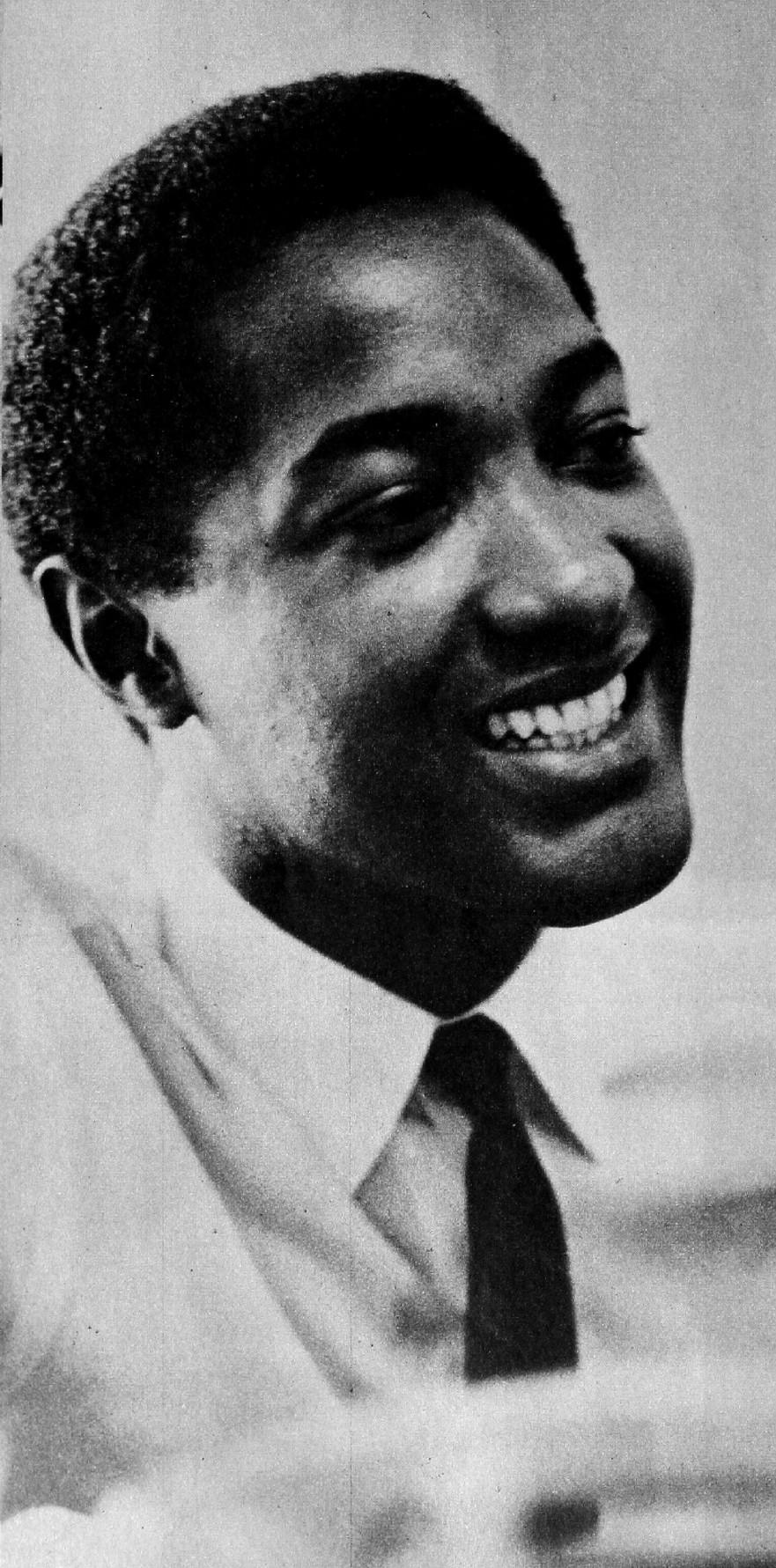
“Bring It On Home to Me” is a duet that the original label never admitted was a duet. The second voice answering Sam Cooke throughout the record belongs to Lou Rawls — already a formidable singer in his own right, already Cooke’s close friend. Rawls was left uncredited on the release, which only adds to the record’s quiet mythology: one of the great vocal pairings in pop history, hiding in plain sight.
The song was written by Cooke and released in 1962, reaching the Top 15. Its structure is pure church: a leader pleading, a congregation responding. Cooke had been doing call-and-response since his Soul Stirrers days, but here he compressed it into a pop single without losing any of its devotional intensity. The plea — “bring it on home to me” — could be addressed to a lover or to something larger, and the record never resolves the ambiguity.
Cover versions followed for decades, most famously by the Animals in 1965, but the original remains the standard because of the thing no cover can reproduce: the sound of two friends who learned to sing together in the same tradition, finishing each other’s phrases.
Rawls went uncredited partly for contractual reasons — he was signed elsewhere — but the anonymity suited the record’s spirit. This wasn’t a star duet; it was a conversation that happened to be recorded. Years later, when Rawls became a star in his own right, he would still talk about those sessions with visible affection. You can hear why: some records are performances, and some are friendships. This one is both.
Listen closely
The record’s architecture is dialogue. Cooke states the plea; Rawls answers, low and certain, like a deacon affirming a preacher. Listen to how precisely the two voices interlock — Rawls never steps on Cooke’s lines, Cooke never rushes Rawls’s responses. This is ensemble singing of the highest order, and it only works because both men came up in the same gospel discipline where listening is as important as singing.

Focus on the bridge, where Cooke’s voice climbs and Rawls holds the ground beneath him. The emotional logic is call-and-response as therapy: one voice admits need, the other voice answers with steadiness. You can hear the friendship in the blend — not just harmony in the musical sense, but trust. Rawls isn’t decorating Cooke’s record; he’s holding it up.
And notice the restraint at the end. The song doesn’t build to a big gospel climax; it stays in its pleading register, the two voices still talking as the record fades. The conversation, like the need behind it, doesn’t resolve. It just continues — which is why the song still feels unfinished in the best way, still asking.
Release and recording reference ↗
Release context is sourced above. Listening observations are Past Tunes’ original interpretation, not quotations from the artist.
More from Sam Cooke
A flipped-over single carried gospel phrasing into the pop charts.
1960 / Behind the SongsWonderful World: The Textbook He Never FinishedA vault release, a pseudonym, and the sweetest shrug in pop.
1960 / Behind the SongsChain Gang: The Work Song Reimagined as PopA field holler became a singalong.
1961 / Behind the SongsCupid: The Arrow That Missed No OnePizzicato strings and the most patient bridge in early soul.
1962 / Behind the SongsTwistin’ the Night Away: Riding the Twist CrazeA fad record that outlasted the fad.
1962 / Behind the SongsHaving a Party: The Invitation That Never ExpiresThe original was already perfect.
1963 / Behind the SongsAnother Saturday Night: The Loneliest Party Song EverAn upbeat groove about being gloriously alone.
1964 / Behind the SongsShake: The Last DanceThe final single — a horn-driven rave-up.
1964 / Behind the SongsA Change Is Gonna Come: The Song He Almost Didn’t Live to SeeThe anthem and the arrangement.