Sam Cooke / Behind the Songs
Having a Party: The Invitation That Never Expires
Three decades before the famous remake, the original was already perfect.
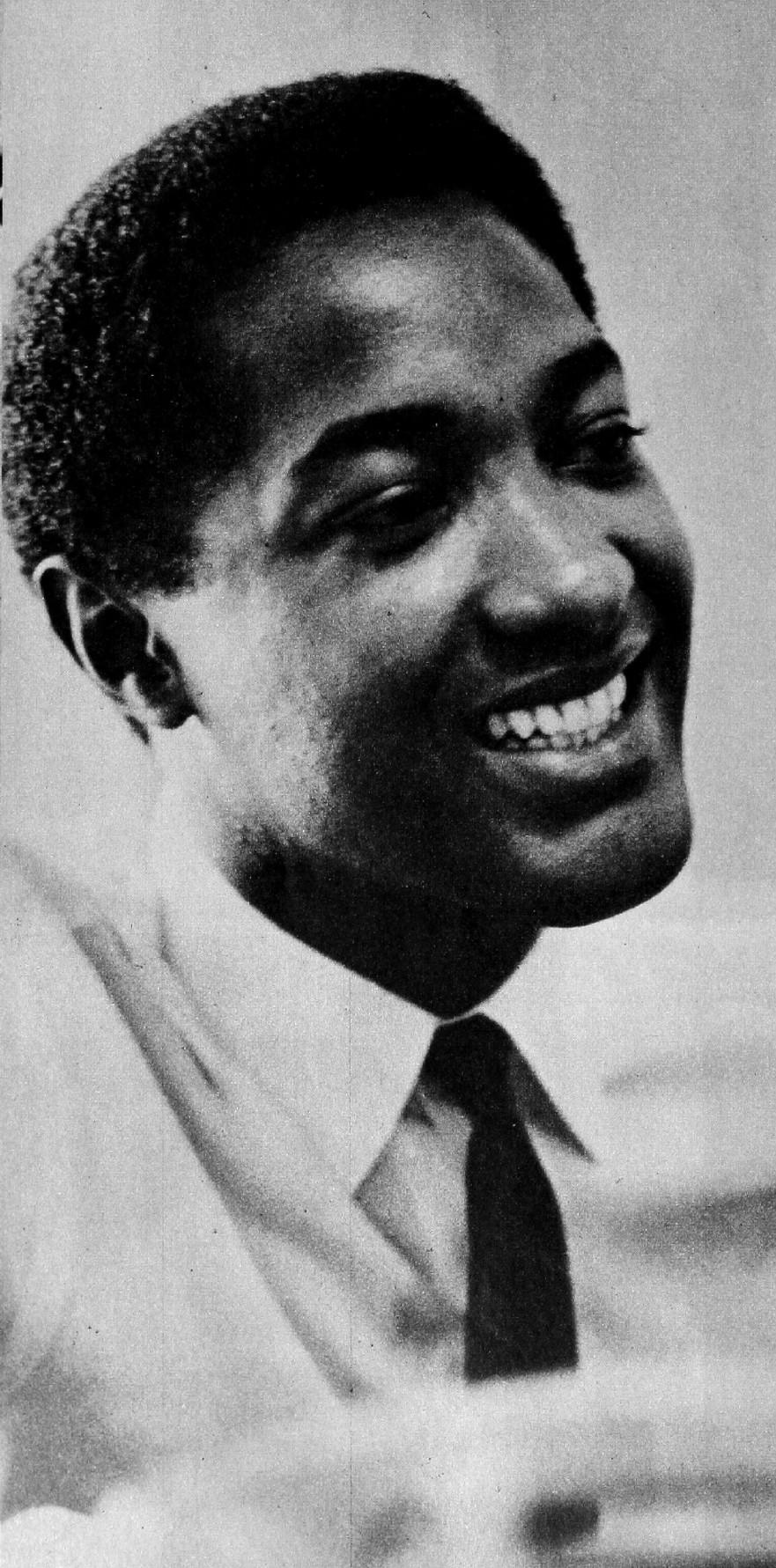
The record in context
“Having a Party” was recorded in 1962 during the same fertile stretch that produced the Twistin’ the Night Away sessions — Cooke at his most celebratory, writing his own invitation list in song. The lyric names the guests, describes the scene, and issues the instruction: everybody’s swinging, dancing to the music. It’s less a song than a social event you can play on a turntable.
The record’s second life is famous: in 1993, Rod Stewart’s cover became a major hit, introducing the song to a generation that had never heard the original. But the remake, for all its success, only proved what the 1962 recording already knew — the song is indestructible because its feeling is. Cooke’s original has a looseness the cover can’t quite reproduce: it sounds like it was recorded by people who were actually having fun.
That quality — the sense of a real room, real laughter, real sweat — is the through-line of Cooke’s party records. He wasn’t performing celebration; he was documenting it. And notice how democratic the lyric’s guest list is — this isn’t a VIP room, it’s everybody: the twist crowd, the dancers, the whole neighborhood. That generosity is part of why the song survived into the nineties and beyond. It’s not about a specific night in 1962; it’s about the idea of the night, renewable forever.
Listen closely
The first thing to notice is the groove’s patience.
Start with the rhythm section, which does something remarkable: it swings without pushing. The drums keep a light, almost lazy backbeat while the bass walks underneath, and the whole thing breathes. This is a party record that never rushes — the tempo sits exactly where a room full of people would naturally move, and Cooke sings inside it rather than on top of it. He’s the host, not the headliner: his vocal weaves through the backing voices instead of towering over them.

Listen for the details of hospitality in the lyric. Cooke doesn’t just announce a party; he narrates one — who’s there, what’s playing, how it feels. The specificity is the charm. And in the call-and-response passages, you can hear the gospel quartet training again: a leader calling out, a group answering, the oldest participatory trick in Black music, now in service of a Saturday night.
The most telling moment comes near the end, when Cooke’s ad-libs start to loosen — little exclamations, laughter at the edges of phrases. It’s the sound of a singer who has stopped performing the party and started attending it. That’s the difference between the original and every cover since: Cooke isn’t inviting you to a party. He’s already there.
Release and recording reference ↗
Release context is sourced above. Listening observations are Past Tunes’ original interpretation, not quotations from the artist.
More from Sam Cooke
A flipped-over single carried gospel phrasing into the pop charts.
1960 / Behind the SongsWonderful World: The Textbook He Never FinishedA vault release, a pseudonym, and the sweetest shrug in pop.
1960 / Behind the SongsChain Gang: The Work Song Reimagined as PopA field holler became a singalong.
1961 / Behind the SongsCupid: The Arrow That Missed No OnePizzicato strings and the most patient bridge in early soul.
1962 / Behind the SongsTwistin’ the Night Away: Riding the Twist CrazeA fad record that outlasted the fad.
1962 / Behind the SongsBring It On Home to Me: The Lou Rawls Call-and-ResponseTwo friends, one microphone.
1963 / Behind the SongsAnother Saturday Night: The Loneliest Party Song EverAn upbeat groove about being gloriously alone.
1964 / Behind the SongsShake: The Last DanceThe final single — a horn-driven rave-up.
1964 / Behind the SongsA Change Is Gonna Come: The Song He Almost Didn’t Live to SeeThe anthem and the arrangement.