Sam Cooke / Behind the Songs
Cupid: The Arrow That Missed No One
Pizzicato strings and the most patient bridge in early soul.
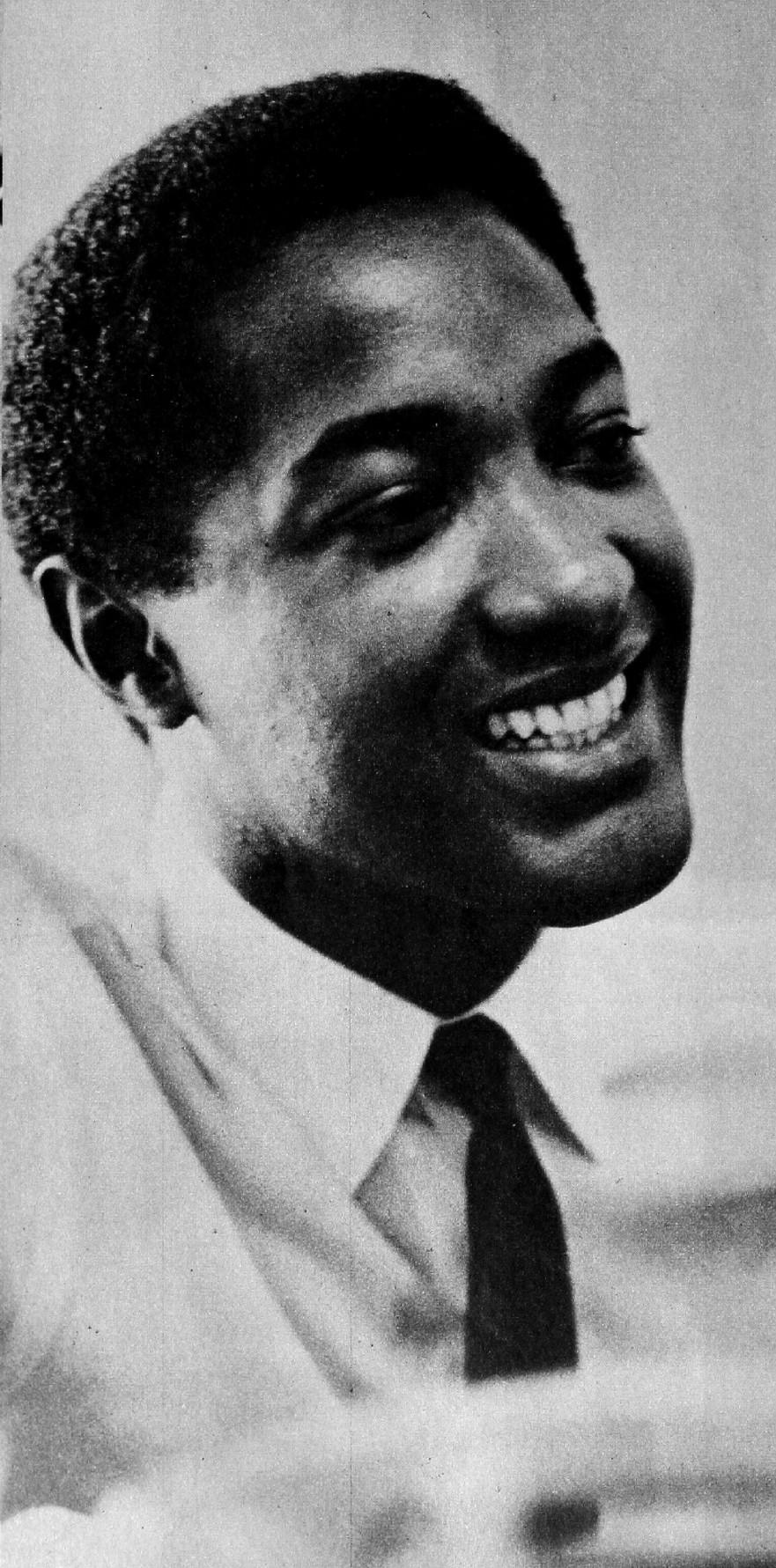
The record in context
By 1961, Sam Cooke and RCA Victor had settled into one of the most productive partnerships in pop. “Cupid” was the jewel of that year’s output: a song Cooke wrote himself, built around one of the most recognizable openings in all of early soul — plucked violin strings, pizzicato, spelling out the melody before a single word is sung.
The record is a study in softness. Where his gospel-trained contemporaries reached for drama, Cooke reached for intimacy, and “Cupid” became his template for the orchestral soul ballad: strings that cushion rather than swell, a rhythm section that strolls rather than drives. It was a substantial hit and has never left the cultural bloodstream — covered by Johnny Nash, sampled by hip-hop producers, whistled by anyone who has ever heard it once.
What the song really established was Cooke’s authority as a songwriter-producer of his own sound. He wasn’t just the voice RCA had hired; he was the architect of records that sounded like nobody else’s.
It’s worth noting how unusual the song’s construction is. “Cupid” has no real chorus — just verses and that extraordinary bridge, circling back on itself like a thought you can’t stop thinking. Most pop songs of 1961 were built on repetition; Cooke built his on patience, trusting that a melody this lovely didn’t need a hook to hammer it home. The plucked strings were hook enough.
Listen closely
Start with those plucked strings. The pizzicato figure is the hook before the hook — it tells you the song’s melody in advance, so that when Cooke enters, you feel you already know him. It’s an extraordinarily confident opening gambit: the arrangement gives away its best idea in the first five seconds and trusts the singer to top it.

He does, in the bridge. “Now, Cupid, if your arrow makes my lover stray” — here Cooke does something he rarely did on record: he half-speaks, half-sings, leaning into the microphone as if confiding. The patience of that passage is the record’s secret. Most pop bridges of the era hurried toward the final chorus; Cooke slows time down, stretching the plea across the bar lines, and the return of the melody feels like relief.
Listen finally to the ending. There is no grand finale — the song simply glides to a stop, the strings still plucking, Cooke still asking. The arrow has been drawn but never quite loosed, which may be why the song feels eternal: it’s a wish suspended forever in mid-air. The record’s afterlife tells you everything about its construction: covered by Johnny Nash in the seventies and sampled by hip-hop producers decades later, “Cupid” keeps resurfacing because its parts are indestructible — the pizzicato figure, the patient bridge, a vocal that never raises its voice. Trends date; courtship doesn’t.
Release and recording reference ↗
Release context is sourced above. Listening observations are Past Tunes’ original interpretation, not quotations from the artist.
More from Sam Cooke
A flipped-over single carried gospel phrasing into the pop charts.
1960 / Behind the SongsWonderful World: The Textbook He Never FinishedA vault release, a pseudonym, and the sweetest shrug in pop.
1960 / Behind the SongsChain Gang: The Work Song Reimagined as PopA field holler became a singalong.
1962 / Behind the SongsTwistin’ the Night Away: Riding the Twist CrazeA fad record that outlasted the fad.
1962 / Behind the SongsHaving a Party: The Invitation That Never ExpiresThe original was already perfect.
1962 / Behind the SongsBring It On Home to Me: The Lou Rawls Call-and-ResponseTwo friends, one microphone.
1963 / Behind the SongsAnother Saturday Night: The Loneliest Party Song EverAn upbeat groove about being gloriously alone.
1964 / Behind the SongsShake: The Last DanceThe final single — a horn-driven rave-up.
1964 / Behind the SongsA Change Is Gonna Come: The Song He Almost Didn’t Live to SeeThe anthem and the arrangement.