Sam Cooke / Behind the Songs
You Send Me: The B-Side That Invented a Career
A flipped-over single carried gospel phrasing straight into the pop charts.
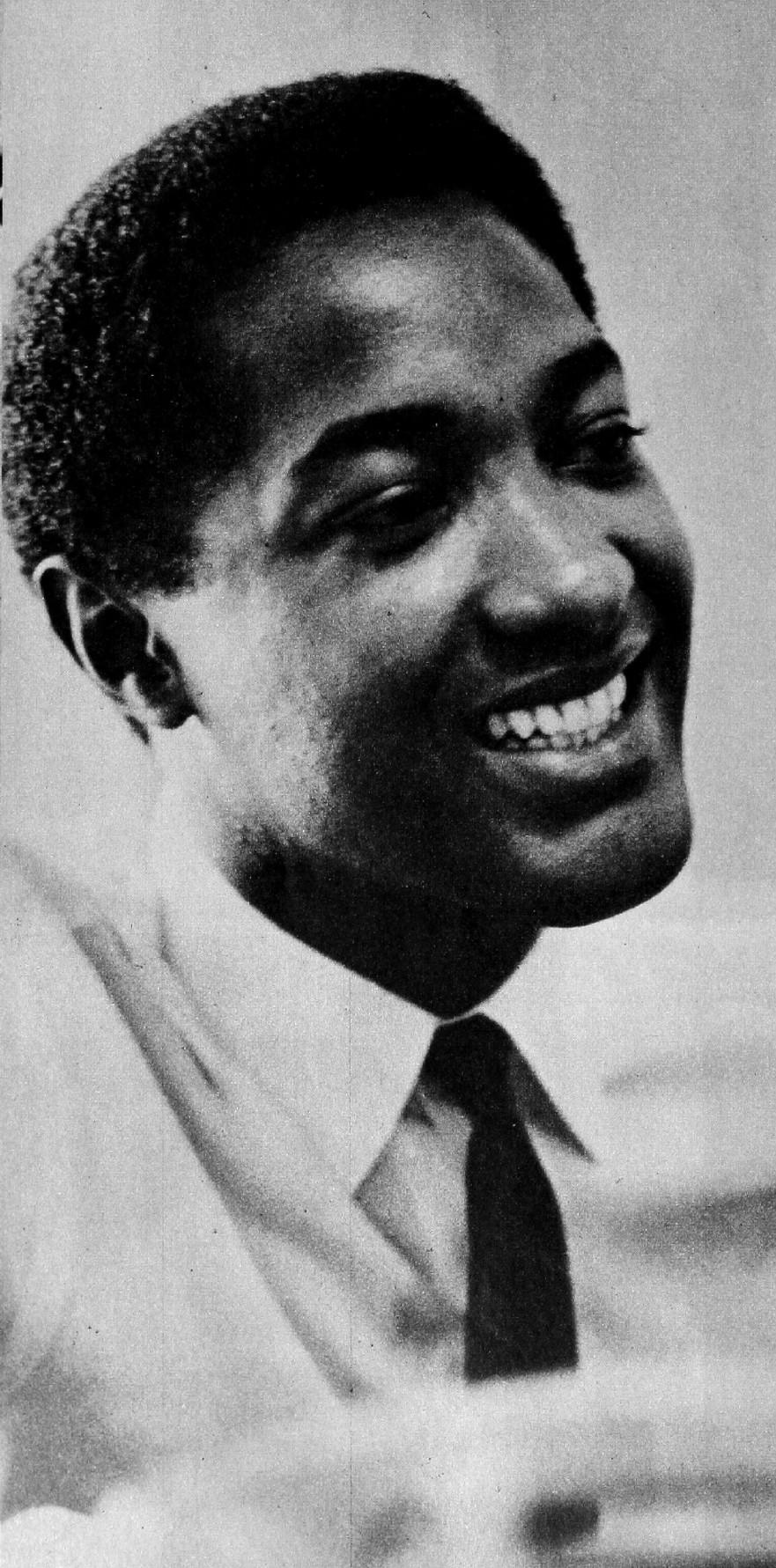
The record in context
In 1957, Sam Cooke was the golden-voiced lead singer of the Soul Stirrers, gospel music’s most celebrated quartet — and he was quietly preparing to leave it. His first pop single for Keen Records paired his shimmering ballad “You Send Me” with “Summertime,” the Gershwin standard, as the intended A-side. The label, like the industry around it, assumed the familiar song was the safer bet.
Disc jockeys disagreed. They flipped the record over, and “You Send Me” climbed to number one on both the R&B and pop charts — a genuine crossover at a time when the two audiences were still largely kept apart. Cooke had added an “e” to his surname for his pop debut, a small disguise that fooled nobody and changed everything. The church singer was now a pop star, and he had done it without sanding down what made his voice his.
The song had begun life in the church. Cooke first shaped its melody as “Lovable,” a gospel number, and the transformation from sacred to secular was the scandal of his career move — many in the gospel world saw the crossover as a betrayal. Cooke’s answer was characteristically calm: the same voice, the same technique, now reaching millions instead of thousands. “You Send Me” proved his point in a single stroke. The church hadn’t lost a singer; pop music had gained a whole new way of singing.
What makes the record remarkable in hindsight is how little it compromises. This is not a gospel singer pretending to be a pop singer; it is a gospel singer trusting that pop listeners will come to him. They did, in the millions.
Listen closely
The first thing you hear is restraint. The arrangement is almost bare — gentle guitar, soft backing voices, nothing competing with the lead. Cooke enters as if mid-conversation, and the famous melisma on “darling, you send me” unfolds like something he cannot quite help doing. That run of notes is pure church technique, transplanted whole into a love song.

Listen for the way he treats consonants. Words arrive softened at the edges, so the melody feels continuous, like one long exhaled thought. The backing vocalists answer him in the old quartet manner — call and response — but at a whisper, as if they know the lead singer is doing something delicate and they should not disturb it.
Then notice what the song does not do. There is no big finish, no key change, no show of force. Cooke trusts the melody and his own breath control to hold your attention for two and a half minutes. The confidence of that understatement is the whole story of his career in miniature: he never needed to shout to be heard.
Finally, consider the template it created. The soft ballad with gospel phrasing — intimate, unhurried, emotionally direct — became the blueprint for the soul love song, echoed by everyone from Marvin Gaye to Al Green. Every one of them is, knowingly or not, singing in the room Cooke built in 1957. And it all started because a disc jockey, faced with two sides of a single, chose the wrong one — and was gloriously right.
Release and recording reference ↗
Release context is sourced above. Listening observations are Past Tunes’ original interpretation, not quotations from the artist.
More from Sam Cooke
A vault release, a pseudonym, and the sweetest shrug in pop.
1960 / Behind the SongsChain Gang: The Work Song Reimagined as PopA field holler became a singalong.
1961 / Behind the SongsCupid: The Arrow That Missed No OnePizzicato strings and the most patient bridge in early soul.
1962 / Behind the SongsTwistin’ the Night Away: Riding the Twist CrazeA fad record that outlasted the fad.
1962 / Behind the SongsHaving a Party: The Invitation That Never ExpiresThe original was already perfect.
1962 / Behind the SongsBring It On Home to Me: The Lou Rawls Call-and-ResponseTwo friends, one microphone.
1963 / Behind the SongsAnother Saturday Night: The Loneliest Party Song EverAn upbeat groove about being gloriously alone.
1964 / Behind the SongsShake: The Last DanceThe final single — a horn-driven rave-up.
1964 / Behind the SongsA Change Is Gonna Come: The Song He Almost Didn’t Live to SeeThe anthem and the arrangement.